

Could one document really rock our top court? When House members file articles of impeachment, they kick off a legal process that tests the balance of power in our government. The debate over a Supreme Court impeachment shakes the nation and stretches the limits of authority.
Think of it like putting together a tricky puzzle. Each small move might trigger big changes in the legal system. Ever wondered how one legal decision could impact everyday life? In this post, we break down the steps and spotlight the real-life effects and heated debate already stirring up our political scene.
Supreme Court Impeachment Process Explained
The process begins when a member of the House of Representatives files formal articles of impeachment. It might surprise you to learn that a single document can kick off a very detailed legal journey. Essentially, a simple majority in the House starts the review of a Justice’s actions. But keep in mind, the House’s decision to impeach doesn’t mean the Justice is removed right away.
After the House gives its approval, the articles move to the Senate for a trial. Think of it like following a recipe: first, you gather all your ingredients (the evidence and the articles), then you mix them together by presenting the case, and finally, you need a two-thirds vote to convict and oust a Justice. No Supreme Court Justice has ever been removed, which shows just how rare and difficult this process is. In 2023, for example, Rep. Alexandria Ocasio-Cortez even introduced articles against two conservative Justices. Historically, 15 federal judges have faced impeachment, with eight either resigning or being convicted before trial, highlighting the tough road anyone faces when trying to remove a top judge.
Constitutional Authority and Framework for Supreme Court Impeachment
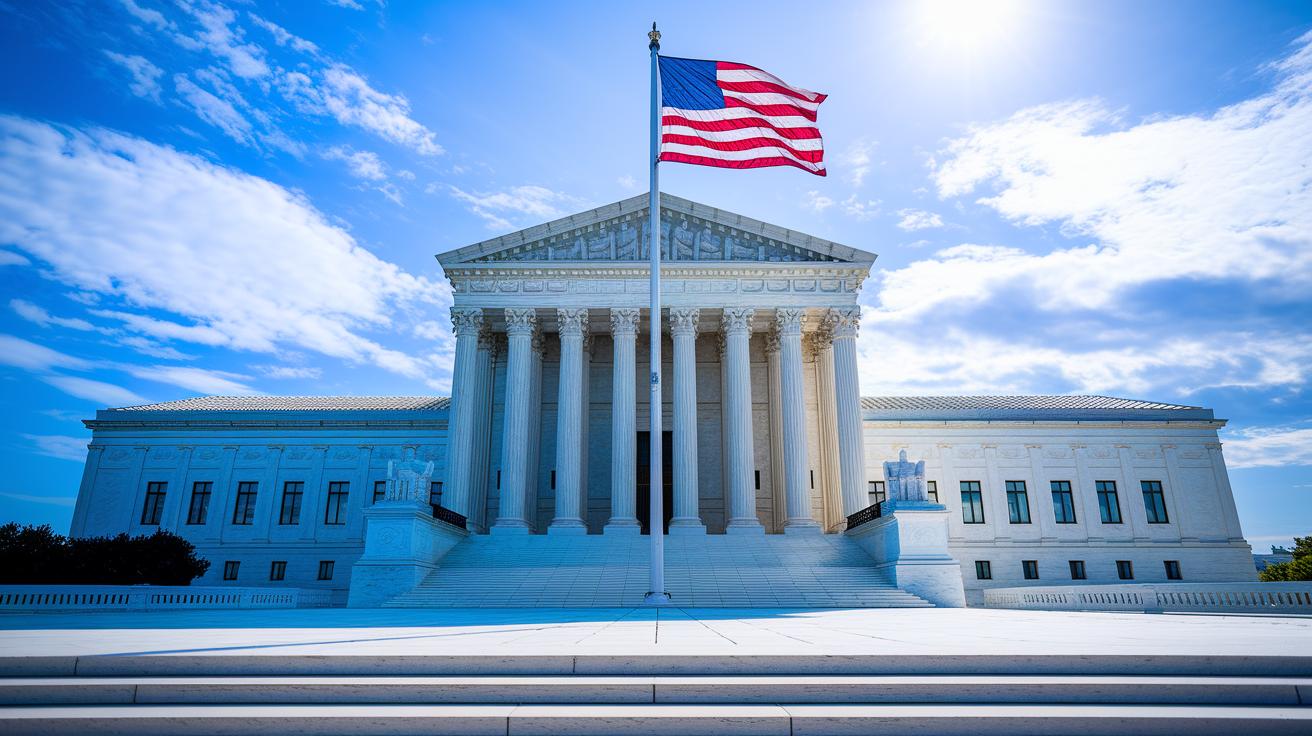
The U.S. Constitution lays out how Supreme Court Justices can be impeached. Article I Section 2 tells us that the House of Representatives has the sole right to file articles of impeachment. This means even one member can set the whole process in motion, starting a careful review of the Justice’s actions. Then, Article I Section 3 hands over responsibility to the Senate, which holds a trial to decide if the Justice should be removed. Think of it like a recipe: you take one important step, then follow up with another to finish the task.
Moving on, Article II Section 4 spells out the reasons for removal. It lists treason, bribery, and other high crimes and misdemeanors – which means only the most serious offenses count. In other words, impeachment isn’t for every mistake or unpopular decision. Picture it this way: if a judge were found taking illegal benefits or betraying public trust, then it clearly falls within these limits.
It’s also important to note that these rules apply to all federal officers, including Supreme Court Justices; they don’t get any special treatment. This approach keeps everyone accountable and ensures the process is fair. The separate roles played by the House and Senate act like checks and balances, ensuring that impeachment is used only when actions truly endanger the nation’s democratic principles.
Historic Supreme Court and Federal Judge Impeachment Cases
A quick look at some famous impeachment cases shows us how these events changed the way we view the accountability of judges. Early on, in 1804, Chief Justice Samuel Chase was impeached because of bias in his political decisions. From 1789 to the 20th century, there were 15 impeachment cases against federal judges. These cases taught us that clear wrongdoing, not just political reasons, is needed for removal from office.
More recent actions also stir conversation. For example, in 2023, Representative Alexandria Ocasio-Cortez introduced a resolution that many say raises questions about mixing politics with our law system. This history helps us understand today’s talks about keeping our courts honest and fair.
| Case Name | Year | Outcome |
|---|---|---|
| Samuel Chase | 1804 | Acquitted |
| Federal Judges Aggregate | 1789–20th Century | 8 Convicted/Resigned |
| Ocasio-Cortez Resolution | 2023 | Introduced/Not Voted |
Political and Public Debate Over Supreme Court Impeachment

Recent surveys show that many voters now support impeaching Justices Thomas and Alito because of ethical concerns. A lot of people believe that having judges serve for life just doesn't work anymore. In fact, many back the idea of banning gifts in courtrooms and setting time limits for how long a judge can serve. One voter put it simply: "It’s like having a referee who never gets a timeout, everyone deserves a break so someone can be held accountable." This growing sentiment asks a simple question: is our current way really serving justice?
There’s also worry about how political pressures might affect these decisions. Some critics fear that party politics could turn impeachment into a tool for gaining votes rather than stopping real wrongdoing. For example, people have pointed to a case where a judge was set for impeachment after ruling against certain government policies. This example makes many wonder if political pressure might one day override the judge’s needed independence.
At the same time, supporters of change believe that stronger rules for judge accountability could rebuild public trust. They stress that clear guidelines are needed to keep judges sticking to high ethical standards and ask, "Can we really trust a system that seems stuck in its ways?" As the debate continues, ideas like fairness and impartiality are at the heart of the discussion, highlighting the tough balance between protecting judge independence and making sure those in power are held to high ethical standards.
Challenges, Controversies, and Independence Issues in Supreme Court Impeachment
Chief Justice Roberts recently took a strong stand against President Trump’s idea to impeach a lower-court judge. He warned that turning impeachment into a tool for political fights is risky. Many worry that using removal to reverse court decisions upsets the balance of power and erodes the protection judges are supposed to have with lifetime tenure. This lifetime appointment is there to keep judges safe from shifting political winds, and when politicians try to use impeachment for their own gains, that safeguard is in danger.
Many legal experts say impeachment should only focus on clear cases of criminal or ethical wrongdoing, not on unpopular decisions. They worry that going after judges just because their rulings upset political leaders sets a harmful example. One expert put it nicely: "Impeachment should be for clear misconduct, not just a reaction to political disagreements."
This ongoing tension makes us question the fairness of the process and the future stability of our courts. It even makes you wonder if letting political pressure drive impeachment could harm how judges interpret the law (https://recentlegalnews.com?p=4967) and chip away at the trust we have in America’s highest court.
Proposed Reforms and Future Outlook for Supreme Court Impeachment Mechanisms

Many folks are uneasy with justices holding their posts for life, and this has sparked ideas to change the system. One idea is to give them fixed 18-year terms instead of lifetime appointments. This way, we get a clear, predictable schedule for new faces on the bench, letting both voters and lawmakers review how justices are doing on a regular basis. There’s also a push for tighter ethics rules that lay out what’s acceptable behavior on and off the bench, along with a ban on gifts for justices so they stay impartial.
Some experts have even suggested setting up an independent ethics board. Imagine a group that can look into any missteps and issue formal reprimands when needed. This board could handle smaller issues before they blow up into major political fights. It’s a simple, less combative way to boost transparency while protecting the independence of our courts.
Supporters feel these reforms, fixed terms, strict ethics rules, and extra review bodies, could help build public trust without putting the courts at risk. They believe that making judicial performance easier to measure would allow us to correct mistakes without having to resort to the heavy-handed process of impeachment. This approach aims to keep our judiciary strong and independent, all while ensuring it stays accountable and true to its important role.
Final Words
In the action, the article breaks down the process of supreme court impeachment from a simple majority vote to the Senate’s trial stage. It explains the constitutional powers behind these steps and revisits key historical cases alongside today’s political debates. The discussion shows how each phase connects to broader reform ideas aiming to balance accountability with judicial independence.
This clear overview leaves us feeling hopeful about fair legal practices and future improvements in our legal system.