

Have you ever thought about how a case moves from a local court to the Supreme Court? Picture it like a relay race, where each runner must smoothly pass the baton. A case starts small and picks up speed with every appeal it makes.
Only the cases with big legal questions keep getting noticed along the way. They build enough momentum to finally be heard in the nation’s highest court.
In this discussion, we walk you through each step of the journey, showing how only the key cases make it to the top.
The Pathway to the Supreme Court: How Cases Reach SCOTUS
The Supreme Court is like the final say in our legal system. It reviews cases passed up from lower federal or state courts, and sometimes it even looks at cases sent directly to it. Basically, the Court has two main jobs: checking appeals that involve big questions about our Constitution or laws, and handling special cases that come straight from the start. By doing both, the Court helps keep laws consistent and answers tough questions that affect everyone.
Most cases that end up here follow a long journey through several court layers. Usually, a case starts in a local district or state court. If the decision isn’t in your favor, it moves to a federal circuit or state supreme court. Then, someone can ask the Supreme Court to take a look by filing a petition called a writ of certiorari, which is just a fancy way to say “please review this case.” There are also rare cases that start directly in the Supreme Court, like disputes between states. This regular process helps sort out which cases really need the Court’s attention, especially those with big legal questions or conflicting decisions from lower courts.
Every year, the Court gets around 8,000 petitions but only agrees to review about 1% to 2% of them. For example, in the latest term, only 59 cases made it to the bench. This shows that the Court is very picky and only takes cases that have far-reaching or unresolved legal issues. In the end, this careful selection helps ensure that the Court works on cases that really shape our legal landscape.
Original vs Appellate Routes in Supreme Court Cases

Original Jurisdiction
This is when the Supreme Court hears a case right from the start. It happens when the case involves a dispute between states or a matter that Congress has chosen for direct review. Think of it like two states arguing over shared water rights and taking it straight to the top. The focus here is on important constitutional questions that need fast answers without going through the usual lower courts first.
Appellate Jurisdiction
This route applies when a case begins in a lower court, like a district court, and then moves upward through state supreme courts or federal circuit courts. If a party isn’t satisfied with the decision, they can ask the Supreme Court to review the case, a process called certiorari (a formal request for review). Imagine it as climbing a ladder, where each level checks the decision from the step before until the Supreme Court finally steps in to settle the more complicated legal issues.
The Writ of Certiorari Process for Getting Cases to the Supreme Court
A writ of certiorari is a written request asking the Supreme Court to check out a record from a lower court. It points out the important federal law questions, shows key decisions from other courts, and explains why the case needs another look. Think of it like gathering all the pieces of a legal puzzle that shows how a case moved from trial court to the highest court.
Filing this petition is a challenging process that calls for lots of attention to details and strong documentation, all within strict time limits. Once you file, you might wait a while as the Court reviews the petition. They look at cases when there’s conflict among lower courts or when big constitutional or national issues are involved. Each term, the Court gets around 8,000 petitions but only reviews about 1% to 2% of them. The decision to take on a case is entirely up to the Court, based on whether the case brings up a very important legal issue.
The Court considers several key factors when deciding if a case should be heard:
| Factor | What It Means |
|---|---|
| Different views among federal circuits | The lower courts sometimes disagree on legal rules. |
| Major federal or constitutional question | The issue affects more than just the people in the case. |
| Circuit splits | Similar legal issues have been decided differently in various courts. |
| National importance | The matter goes beyond local concerns and touches the whole country. |
Even if a petition is perfectly written, it might not get a hearing. The Court’s limited time and resources mean they only choose cases with wide-reaching legal implications and unresolved court debates. This brings a level of thoughtfulness to each decision, ensuring that only the cases with the biggest questions make it to the Supreme Court.
Ever wondered how this process can shape the law for everyone? It’s all about balancing the clear importance of a case with the Court’s need to keep things manageable.
Key Criteria for Supreme Court Case Selection
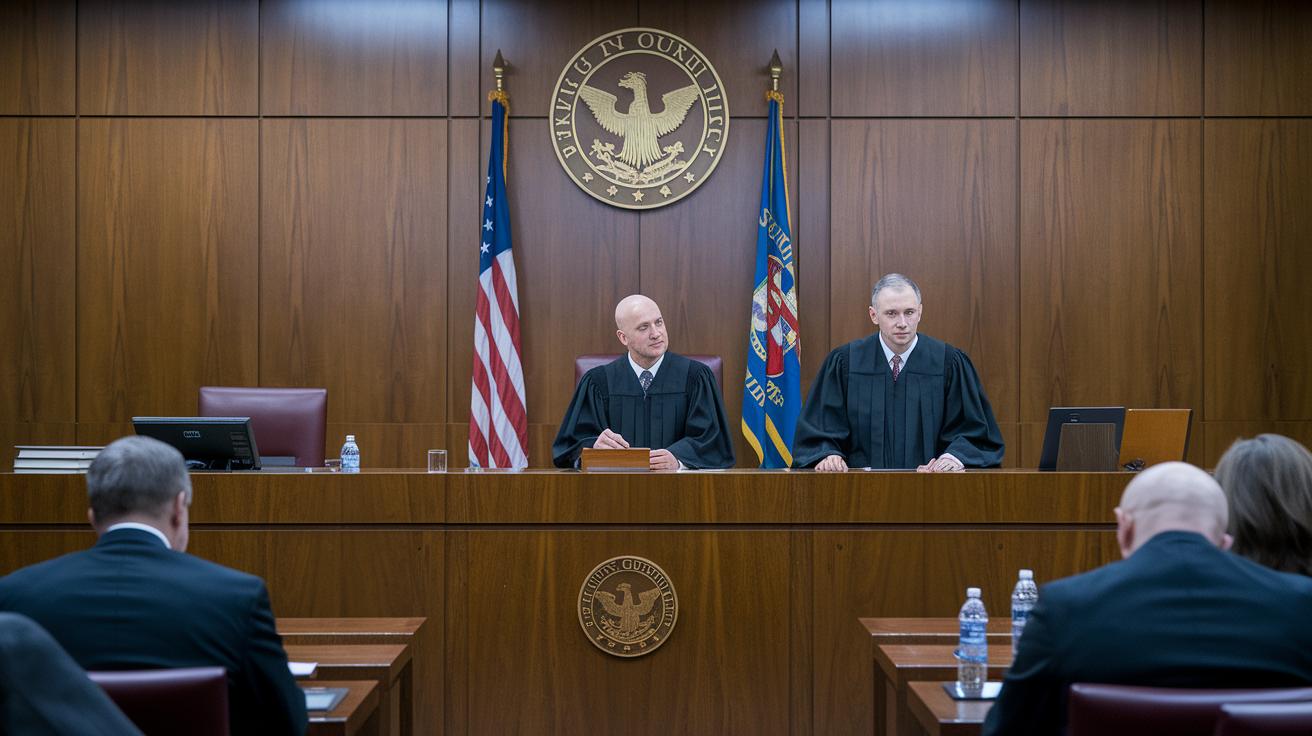
The Court takes on cases that ask big questions about federal law or rights under the Constitution. For example, think about a case that checks if a state law fits with the protections in the Constitution. Picture a courtroom scene where state laws clash with federal rights. Cases like these, which delve into federal common law, need a clear answer from the highest court.
When lower federal courts disagree on the same law, known as a circuit split (this means different courts interpret the law in different ways), the need for a single, uniform rule becomes obvious. It’s like two classes reading the same story but coming away with different lessons. One court might see a legal duty in a narrow way, while another might take a broader view. This split makes it necessary for the Supreme Court to step in and decide.
Cases that affect the whole nation are given top priority. Imagine a dispute about a major policy change that touches many communities across the country; it’s much like a town hall meeting where everyone benefits from a clear, unified explanation. When laws are applied differently in different places, the Supreme Court makes sure that all the lower courts follow the same rule.
Step-by-Step Procedural Journey from Trial Courts to the Supreme Court
From District Court to Circuit Court
The journey starts at the trial level where you file your case in a federal district or state trial court. This filing is like laying the first brick of your case’s foundation. Once the record is set, your appeal moves to one of the 12 regional circuits. Think of it as building your case piece by piece.
Preparing and Filing the Cert Petition
After your appeal is ready, you move on to the cert petition stage. Here, you gather all the court records and focus on big federal questions. The rules are strict about the timeline and format. Imagine you’re piecing together a legal puzzle; every piece must align to complete the picture.
Compiling Merits and Amicus Briefs
Next, merits briefs and amicus curiae (friend of the court) submissions come into play. These documents help organize your arguments and support your case. They work like extra evidence, clearly showing how each part of your argument fits together.
Notable Case Studies on Reaching the Supreme Court

Back in 1990, the Keller v. State Bar of California case showed how a decision by a state supreme court can pull important issues onto the national stage. This case, along with others made directly under the Voting Rights Act (a law that protects voting rights) by special three-judge panels, proves that some disputes, especially those about basic rights like voting, can skip the long appeal ladder. When a key legal protection is on the line, the top court acts quickly.
Likewise, Wilkins v. United States gives us a clear view of how property-rights disputes work through many levels before landing in the Supreme Court. And then there are the cases during the COVID era where vaccine mandates for big employers moved to the Court with fast cert petitions. These examples show different ways to bring important legal questions forward, ultimately setting rules that affect many people's lives.
Final Words
In the action, we walked through how cases reach SCOTUS, from trial courts and appeals to a well-crafted petition for a writ of certiorari. We explored the dual pathways, the differences between original and appellate jurisdiction, and what criteria the Court uses to decide on cases. This overview sheds light on how do cases get to the supreme court, emphasizing each procedural step with real-life examples and timing details. Stay curious, and trust that every case's journey holds lessons for both legal experts and everyday observers.
FAQ
How does the Supreme Court decide which cases to hear?
The Supreme Court decides to hear cases by reviewing petitions for a writ of certiorari, focusing on issues involving federal questions, conflicting lower court rulings, and matters of national impact.
How many cases does the Supreme Court hear each year?
The Supreme Court typically hears around 60 cases per term, selecting about 1–2% of the roughly 8,000 petitions submitted each term.
How long do Supreme Court justices serve?
Supreme Court justices serve for life, holding their positions until retirement, resignation, or death, which helps maintain a stable judicial environment.
How long does it take for the Supreme Court to decide a case after oral arguments?
The Supreme Court generally takes several months after oral arguments to reach a decision, as the justices deliberate carefully on the legal issues at hand.
What does the Supreme Court do?
The Supreme Court reviews cases that raise federal or constitutional issues, resolving disputes and ensuring that lower court decisions align with the U.S. legal system.
What is a writ of certiorari?
A writ of certiorari is a formal request for the Supreme Court to review a lower court’s decision, usually used when there are significant federal or constitutional questions involved.
How many justices have to agree to hear a case?
At least four justices must agree to take a case for review, a requirement known as the “rule of four,” which helps bring key legal issues before the Court.
What does appellate jurisdiction mean?
Appellate jurisdiction refers to the authority of higher courts, like the Supreme Court, to review and potentially overturn decisions made by lower courts in federal or constitutional matters.
What are the main ways a case reaches the Supreme Court?
Cases can reach the Supreme Court mainly through petitioning for a writ of certiorari, direct appeals under original jurisdiction, or via further appeals after decisions from lower courts.
Why is it hard for a case to reach the Supreme Court and where do these cases originate?
It is challenging because strict criteria limit the Court’s docket. Cases generally begin in federal or state trial courts and move through appeals in the federal circuit system before reaching the Supreme Court.