

Have you ever wondered why some injury claims wrap up fast while others seem to take forever? In this blog, we lay out your personal injury journey step by step, from the accident scene to a final decision. Think of it like a simple puzzle, where every piece helps reveal the whole picture of your claim. You'll find out how a smooth claim process works and learn what to expect along the way. Ever thought about how this process might affect your life? Let’s break it down together so it doesn’t feel so overwhelming.
Comprehensive Personal Injury Timeline: From Accident to Resolution
Your personal injury journey unfolds step by step, much like assembling a puzzle from scattered pieces. It starts with an initial meeting where your lawyer takes a close look at your case details, gathering all the little bits of evidence, like documents, medical records, and witness accounts, to form a complete picture.
Next, your lawyer embarks on an investigation. They collect police reports, work histories, and even insights from accident reconstruction experts and doctors. This phase helps pin down who might be at fault. Simple cases, where responsibility is clear and injuries are minor, might settle in just 3 to 6 months. But if the case involves more serious injuries or tangled questions of fault, it could take 12 to 24 months, sometimes even longer.
Once your lawyer is confident in your case, they move ahead with filing a complaint. This usually happens about three months after that first consultation, shifting the process from negotiation to formal legal steps. After filing, the discovery phase kicks in. This part involves exchanging documents, answering questions through interrogatories, and collecting depositions to build an even stronger case.
If you don’t reach a resolution through discovery or mediation, typically between 9 and 18 months, the case might go to trial. Trials are generally set around 24 months after you file and can run from a few days to several weeks, depending on court schedules. For particularly tricky cases, the whole process might stretch to 2 or 3 years, influenced by the severity of the injuries, how clear the liability is, and whether the insurance companies are cooperative.
Immediate Post-Accident Timeline: Medical Treatment and Evidence Collection

Right after an accident, your safety is the top priority. Move yourself to a safe spot and call for help as soon as you can. Emergency responders usually arrive fast, and their first actions often shape everything that follows.
Once you know you’re safe, getting to a hospital is very important. Even if your injuries seem small, a proper medical check-up makes sure every hurt is noted, for example, a hidden injury might not show up until later. This step creates a clear record for your claim.
Over the next few days, it’s important to gather evidence. Get a copy of the police report, ask any witnesses for what they saw, and take clear photos or videos of the scene. These pieces of evidence form the backbone of your case later on.
Doctors may also schedule follow-up visits while you heal up completely. This might slow things down a bit, but it’s key to ensuring every injury is recorded properly.
Here’s a quick checklist:
| Step | Action |
|---|---|
| 1 | Get a police report |
| 2 | Collect witness statements |
| 3 | Take photos and videos of the accident scene |
This gentle timeline helps keep your claim process clear and on track, making sure nothing important slips through the cracks.
Lawyer Consultation Window and Claim Initiation Timeline
After your accident and once you're feeling stable, it's important to talk to a personal injury lawyer quickly, ideally within days or a few weeks. Your lawyer will dive into your medical records, the details of your accident, and all the evidence you have to judge how strong your case is. They’ll also explain key deadlines, like how long you have before the statute-of-limitations kicks in (that’s the rule that limits the time you have to start legal action).
During this time, your attorney reviews everything and gives you a clear picture of what to expect. Usually, the process kicks off with a letter of demand, which is a formal note outlining what compensation you're seeking. Think of it like sending off an invitation that officially starts your legal journey. Ever wondered how that process feels? It can be a bit like stepping onto a familiar path that leads you step by step toward the right resolution.
Here are some key points to keep in mind:
| Tip | Why It Matters |
|---|---|
| See a lawyer as soon as you’re stable | They need to review everything before important deadlines pass. |
| Gather all your documents | Full records help your lawyer give the best advice possible. |
| Know your time limits | This protects your right to make a claim on time. |
This timeline is designed to keep your case moving forward and make sure every step is handled properly to protect your rights.
Pre-Litigation Timeline and Investigation Steps

Before a lawsuit starts, this phase sets a solid base for everything that follows. At this time, your lawyer works hard on your insurance claim and starts talking with the insurance companies to settle things without heading to court.
This period is all about a detailed look into what happened after the accident. Your attorney collects medical records, work history, and other important documents to support your claim. They also bring in experts like accident reconstruction specialists and doctors to help explain the incident clearly.
Once all the evidence is gathered, your lawyer sends a formal demand letter to the responsible party. This letter spells out the details of your claim and the compensation you’re asking for. Insurers usually reply within 30 to 60 days, kick-starting a schedule of follow-up communications.
Every piece of evidence, from detailed reports to witness statements, contributes to shaping a strong strategy for the negotiations. Here’s what typically happens:
| Step | Description |
|---|---|
| Review of Injury Records | A careful check of all the documents showing your injuries. |
| Expert Consultations | Getting expert opinions to confirm the details of the incident. |
| Communication With Insurers | Staying in touch with the insurance companies to follow up on their responses. |
This stage not only clears up who is at fault but also opens the door to settle the case before it hits the courtroom. It’s a key moment for building a very strong case before the formal legal process begins.
Filing Timeline and Court Filing Schedule for Your Personal Injury Case
After your lawyer agrees to take your case, the legal journey really begins. Usually within about three months, your lawyer files a formal complaint. This filing moves your claim from friendly talks and negotiations into the serious world of the court system.
Next up is serving the defendant. In simple terms, this means delivering official legal papers that let them know they’re being sued. This step generally takes between 30 and 60 days. Once the defendant receives these documents, they typically have another 30 to 45 days to respond.
This part of the process shows the clear difference between informal settlement discussions and the strict rules that kick in when your case is officially in court. Here’s a quick breakdown of the timeline:
| Stage | Timeframe |
|---|---|
| Complaint Filing | Within 3 months |
| Defendant Service | 30-60 days |
| Defendant Response | 30-45 days |
This clear timeline helps you follow your case step-by-step and makes sure that every part of the process meets the court’s deadlines.
Discovery Phase Timeline: Key Milestones and Deadlines

After the defendant responds, the discovery phase really kicks into gear. This stage starts with interrogatories, which are written questions made to get straight answers about the case. It also covers document requests where both sides share key records, witness depositions in which people answer questions under oath, and expert disclosures that explain professional opinions related to the claim.
During this phase, the rules of litigation mean responses have to be sent in within 30 days. For example, if the other side doesn’t share all required documents, a motion to compel must be filed. Think of it like handing in your homework on time so everyone can move forward.
An evidence submission schedule is set up to make sure both parties swap important records and witness lists before the case moves on to mediation or trial. This plan helps everyone check all the evidence carefully, making sure nothing important is missed.
Other key steps include filing expert witness reports where specialists break down technical details in everyday language, kind of like explaining a tricky recipe step-by-step. Every deadline in this timeline helps keep the process clear, fair, and running smoothly.
Mediation Timeline and Settlement Negotiation Process
Mediation typically takes place about 9 to 18 months after an accident. It usually lasts one or two days, with a neutral mediator (someone who doesn’t favor either side) helping everyone focus on the facts. During this short session, both sides review the evidence and chat about possible settlement options so that the path to a fair outcome is clear, bypassing the long steps of a full trial.
Once mediation gets underway, the settlement negotiations follow a clear, step-by-step pattern. First, your lawyer makes the initial request for the compensation you deserve. Then the insurer fires back with a counteroffer, which is met with another request that reflects the strength of your case. Finally, both parties agree on a final settlement. Imagine sitting in a mediation room where every number and detail is laid out as clearly as a well-planned budget. Once everyone signs off on the terms, a release is signed and funds are typically disbursed within a few weeks.
This straightforward process makes it easier for both sides to move toward a fair settlement. Ever wondered how such a system cuts through the confusion? It really does keep the negotiations smooth and focused on a just result.
Trial Preparation Timeline and Court Presentation Schedule
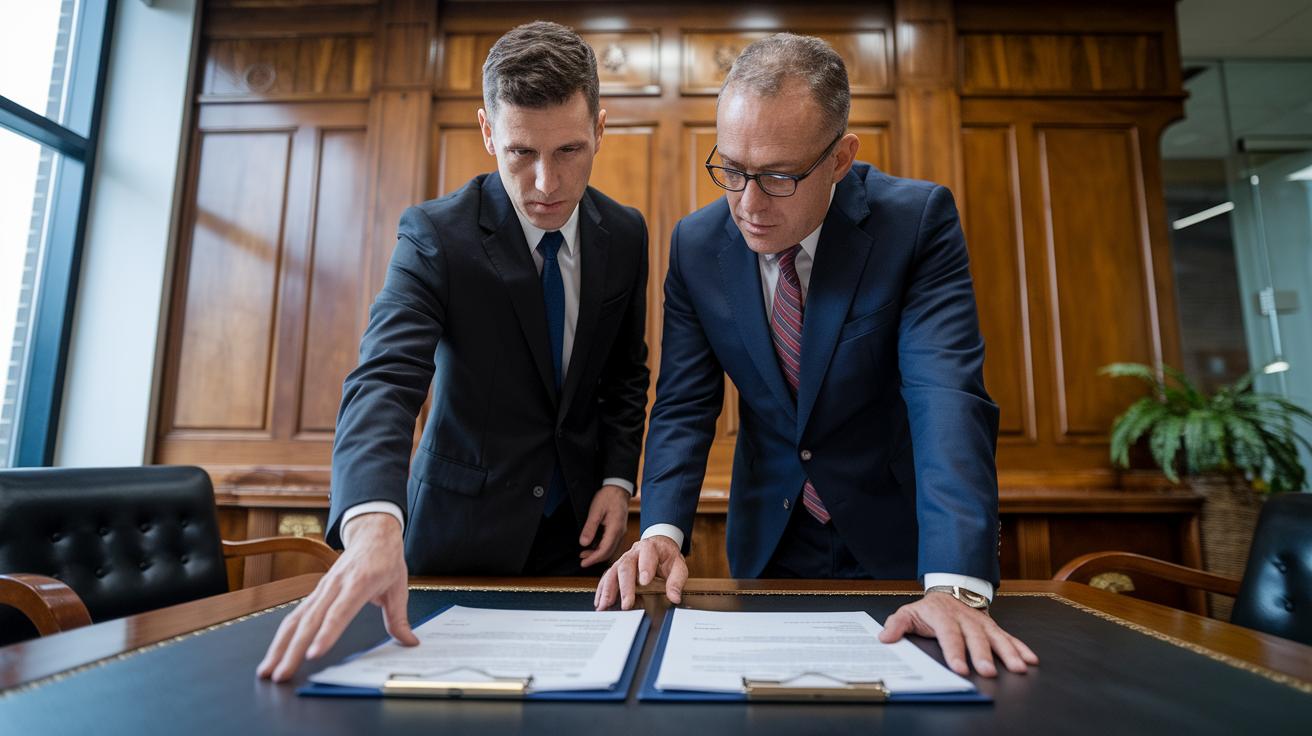
If you don’t reach a settlement, your trial usually kicks off within 24 months after you file your case. This gives your lawyer and team enough time to shape a strong argument. They’ll get into preparing your main witnesses, gathering important exhibits, and putting together opening statements along with instructions for the jury. Think of it like practicing with a friend to nail the perfect delivery in court.
Every little detail counts during this stage. Your lawyer carefully checks every piece of evidence, documents, photos, and witness accounts, to make sure everything is in place. They also work on crafting a clear, step-by-step argument for the judge and jury. Sometimes court schedules can be a bit of a wild card. Trials might wrap up in a few days or stretch on for several weeks, depending on the judge and the flow of the courtroom.
Your team will plan all your court appearances well in advance. They keep a close eye on every deadline and procedural requirement to ensure nothing gets missed. For more information on how trials work, check out this link how do trials work.
All these preparations are crucial. They build a solid, logical case that makes your day in court as smooth and organized as possible.
Final Resolution Timeline: Settlements, Verdicts, and Case Closure
When your case reaches a settlement or verdict, the countdown to closing it starts. Usually, once you sign the release documents or a judgment is entered, a final window of about 30 to 90 days begins. Imagine settling a big deal, after your lawyer gets the release signed, you generally receive your compensation within a couple of months. For example, when Jane received a favorable settlement, her attorney wrapped up the release process in just 45 days and the case was closed smoothly.
Sometimes, post-trial motions and appeals can stretch this timeline. Ongoing legal challenges might push the end of your case by several months or even up to a year. It’s a bit like when a project gets unexpected revisions that delay the final deadline.
Other factors can also affect the timeline. Delays in reaching maximum medical improvement, scheduling conflicts with a judge, changes in venue, or even emergencies with key witnesses can slow down the final steps.
Here’s a quick rundown of these steps in a simple list:
| Step | Description |
|---|---|
| Settlement or Verdict Finalization | The point when a decision or settlement is reached. |
| Release Signing or Judgment Entry | Officially putting the decision in writing. |
| Compensation Disbursement | Money is usually paid out within 30–90 days. |
| Potential Delays | Extra legal motions or external issues can extend the timeline. |
These steps help make sure every part of your claim is wrapped up before the case is finally closed.
Final Words
In the action, we mapped out the steps from accident to resolution. We covered immediate care, lawyer consultations, and the stages before filing a claim. Then, we looked at the discoveries made during litigation, followed by mediation and trial preparation. Every step shows what to expect along this path, all in a clear, step-by-step style. It all comes together to give you a solid overview of the personal injury timeline. Stay informed and positive as you follow your legal path forward.
FAQ
What are the chances of winning a personal injury lawsuit?
The chances of winning a personal injury lawsuit depend on evidence strength, clear liability, and sound legal representation. Good documentation and expert counsel can help improve these odds.
What does the personal injury lawsuit timeline look like?
The personal injury lawsuit timeline starts with an accident, followed by medical treatment, evidence gathering, legal consultations, filing the complaint, discovery, negotiations, and possibly a trial, usually taking several months to years.
Why is my lawyer taking so long to settle my case?
The lawyer may be taking extra time to carefully build your case by reviewing evidence, negotiating with insurers, and considering all legal options before settling to ensure a fair outcome.
What are some examples of personal injury settlement amounts?
Personal injury settlement amounts vary widely, ranging from a few thousand dollars for minor injuries to tens or even hundreds of thousands of dollars for serious injuries with lasting effects.
What does the personal injury lawsuit statute of limitations mean?
The statute of limitations in a personal injury lawsuit sets a deadline for filing your claim, often ranging from one to three years, depending on state rules.
What are the stages of a personal injury lawsuit?
The stages of a personal injury lawsuit usually include initial consultation, evidence gathering, filing the complaint, discovery, settlement negotiations, and, if needed, a trial.
How long does it take for a lawsuit to go to court?
A lawsuit may take several months to years to go to court, as the process involves gathering evidence, pretrial motions, and scheduling court appearances.
How long does a lawsuit take for a car accident?
A car accident lawsuit typically settles in three to six months if liability is clear, though complex cases with disputed facts may take longer to resolve.
How long do most personal injury cases take?
Most personal injury cases take about three to six months for minor injuries, while more complicated cases can extend between 12 and 24 months before resolution.
What is the average personal injury payout?
The average payout for a personal injury case depends on injury severity, medical costs, and lost wages, meaning settlements can range from modest sums to much larger compensations.
How long does it take to process a personal injury claim?
Processing a personal injury claim usually takes several months, as it requires thorough medical evaluations, evidence collection, and careful review by insurers and legal teams.