

Ever wonder why some legal battles ask for money while others end with jail time? Not all cases are treated the same way. In a civil case, someone might seek money to fix a wrong, like when a contract is broken or an injury happens. Think of it as trying to make things right by repairing the harm.
On the other hand, criminal cases are different. Here, the state steps in to charge someone accused of breaking the law. In these trials, the evidence must be very clear so there’s little room for doubt. Each case type plays its own role: civil cases help resolve personal disputes, while criminal trials work to keep our communities safe.
Understanding Civil vs Criminal Cases
In civil cases, people or groups have disagreements and one side asks for help to fix the issue. The person starting the case is the plaintiff, and they want the defendant to make things right by paying money, returning property, or offering another kind of legal remedy. Think of it like this: if there's a problem with a contract or a personal injury, someone seeks compensation, not punishment.
Criminal cases are a whole different story. Here, it’s the state that steps in when someone is accused of breaking the law. The prosecutor must prove that the defendant is guilty beyond a reasonable doubt, which means the evidence has to be very clear. This strict standard protects the rights of the accused, such as having a public defender if they need one.
| Characteristic | Civil Case | Criminal Case |
|---|---|---|
| Purpose | Resolve disputes and provide compensation | Prosecute rule breakers and apply punishment |
| Parties | Plaintiff vs Defendant | Prosecutor vs Defendant |
| Burden of Proof | Preponderance of the evidence (more likely than not) | Beyond a reasonable doubt (very clear evidence needed) |
| Possible Outcomes | Damages, injunctions, or specific performance | Incarceration, fines, or probation |
| Governing Standard | Lesser evidentiary requirement | Highest legal proof bar |
Understanding these differences is important because it shows how the goal of a legal action changes who is involved and what must be proved. Civil cases are structured to help victims recover losses, while criminal cases aim to maintain public safety by dealing harshly with lawbreakers. Ever wondered how these differences play out in everyday life? Knowing this can help us see why the law works the way it does.
Civil vs Criminal Case: Clear Distinctions

In civil cases, the process begins when someone files a complaint that tells the story and explains what they want to fix. Once the defendant gets the complaint, they send back an answer. After these steps, both sides swap documents and facts in a phase called discovery. Pretrial motions may follow to handle issues before the case goes to trial. Finally, the trial happens, and a judge (or jury) makes a decision with a judgment. It’s a bit like putting together a puzzle, every part, from the initial complaint to the final judgment, needs to click into place, sometimes taking months or even years.
Criminal cases, on the other hand, start with an arrest, which is quickly followed by booking, where the suspect’s details are recorded. Next comes the arraignment, a meeting where charges are read aloud and bail is discussed. Then, the case moves to a preliminary hearing or a grand jury session to see if there is enough evidence to keep the case open. After pretrial motions are handled, the case heads to trial. If the defendant is found guilty, the process ends with sentencing. Often, this whole system runs a bit faster due to laws that require speedy trials and the urgent need to keep the community safe.
Oversight works differently for the two types of cases. Civil cases go through longer, more detailed reviews to check all the evidence, while criminal cases use quicker steps that try to balance a person’s rights with the need for public safety.
Civil vs Criminal Burden of Proof and Evidence Standards
In a civil case, the plaintiff only needs to show that what they claim is more likely true than not. Think of it as weighing evidence until one side looks a bit heavier than the other. In a criminal case, though, the government must prove every part of the offense beyond any reasonable doubt. This high standard helps protect a person's rights.
Civil courts tend to be more relaxed when it comes to handling evidence. Both sides can swap documents, ask questions, and use interrogatories. Even hearsay, information that someone heard rather than saw, can sometimes be used if certain conditions are met. Imagine it like comparing two sets of clues to piece together what really happened.
Criminal cases follow much stricter rules. Police need to get a warrant and carefully maintain the chain of custody, which is a clear record of how evidence is handled. These strict steps help uphold rights protected by the Fourth and Fifth Amendments. For instance, if evidence is gathered, it must be kept perfectly intact. This way, every piece of evidence is trustworthy when a jury examines it. The goal is to make sure the entire process is fair and balanced.
Civil vs Criminal Case Outcomes: Remedies and Penalties
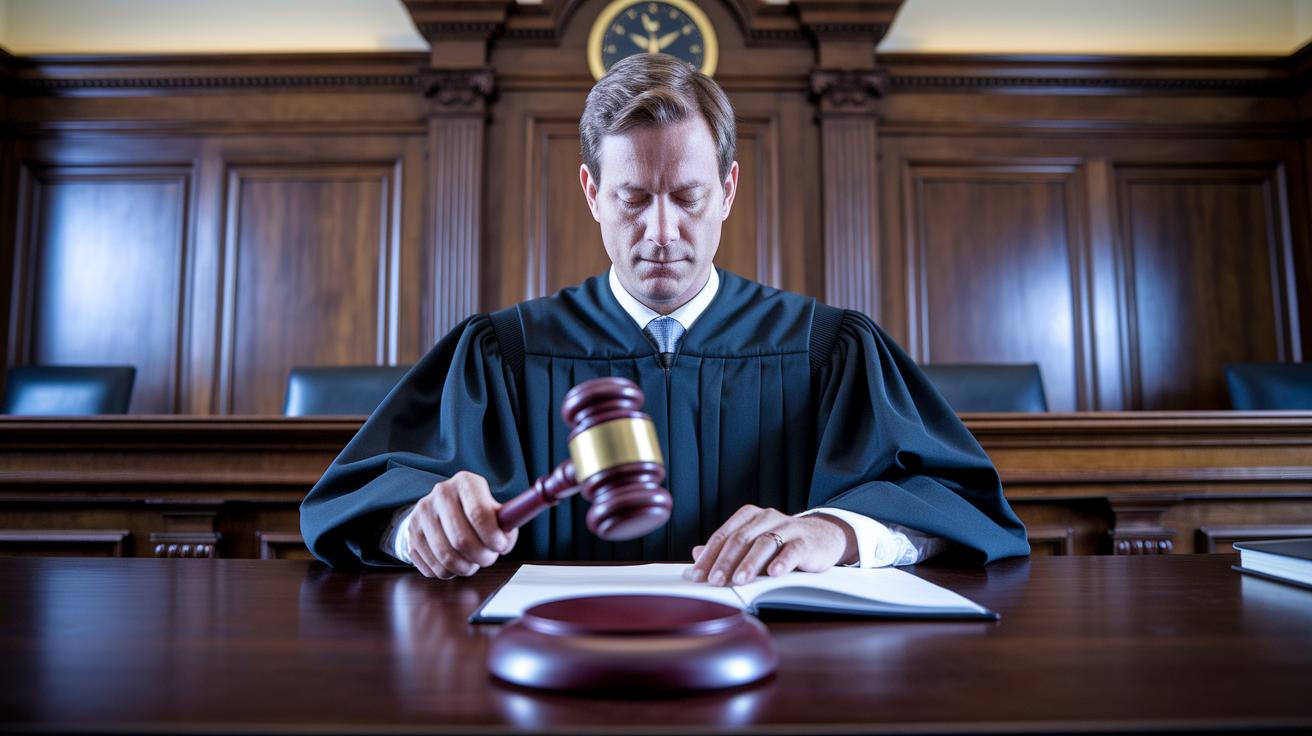
In civil cases, the focus is on helping someone who’s suffered harm get made whole. Courts might order a payment to cover actual losses or require a party to do, or stop doing, something specific to set things right. Think of it as trying to restore balance after something goes wrong.
Criminal cases work a bit differently. The aim here is to hold someone accountable for breaking the law and to help guide them back on track. Penalties can range from jail time to community-based sanctions, all meant to protect our neighborhoods and discourage future missteps.
- Getting paid for actual losses and costs, this is what we call compensatory damages.
- Imposing extra financial penalties to ward off especially harmful actions, known as punitive damages.
- Issuing a court order that stops further misbehavior, often called injunctive relief.
- Assigning jail time, which isolates an offender and sends a clear warning.
- Ordering probation that lets an offender live in the community under strict rules.
- Handing out fines and requiring repayment to victims through restitution.
- Suggesting community service or alternative sentences to help mend behavior and contribute positively to society.
Though the methods differ, both systems are part of one larger legal framework. Civil outcomes aim to balance the scales for victims, while criminal penalties strive to safeguard the community and promote reform. Isn’t it interesting how each approach plays its part in our justice system?
Appeals and Alternative Resolutions in Civil vs Criminal Cases
In civil cases, people often use simpler ways to settle disputes instead of going through a long trial. They might turn to mediation, arbitration, or work out settlement deals. These methods help keep costs lower and move things along faster, giving everyone a chance to agree. Sometimes, if there’s a mistake in the trial process, a civil appeal can fix it without needing to start over.
When things go wrong at trial, an appeal lets parties point out legal or process errors so that fairness stays at the heart of the system. It’s like having a second look to make sure nothing was missed.
In criminal cases, the rules shift a bit. Here, appeals usually focus on due process issues. That means if there’s a clear mistake during sentencing or if constitutional rights (basic legal protections) were ignored, a defendant might challenge the verdict. Ever wondered how that feels from behind bars?
Criminal cases also offer plea bargains. Instead of a full trial, a defendant might agree to a plea deal to reduce the punishment. While this method speeds things up, it works differently from civil dispute resolutions because it centers on lessening penalties rather than finding a mutually agreeable solution between two sides.
Civil vs Criminal Case Studies in Practice

Civil Case Example
Think about a car accident where someone gets hurt. In these cases, the person who was injured files a complaint asking for help with things like medical bills and lost wages. Both sides share papers and talk about what happened to show who was at fault. They work through a few legal motions and discussions until they agree on a settlement that covers the injuries. Even historical cases, like big disputes over contracts in the 1800s, show that civil cases are meant to put things right by offering money, not by punishing anyone.
Criminal Case Example
Now, picture a burglary case. After a careful investigation, the police arrest a suspect and set charges against them. The case then goes to a trial where a jury listens to all the evidence, especially clear proof from the prosecutors. After the jury talks it out, they decide on a sentence based on state guidelines. Famous cases, such as the one involving O.J. Simpson, have made people expect fairness and open processes in our courts. For more insight, check out the related case brief.
These examples show that civil cases aim to help victims with compensation, while criminal cases focus on holding people accountable and keeping our communities safe.
Final Words
In the action, we broke down the essential differences by defining each dispute’s purpose and process. We looked at how evidence, proof, remedies, and appeals shape each pathway. Small case examples helped bring these ideas to life.
Understanding the civil vs criminal case framework empowers clear decision-making and a better grasp of legal trends. This insight not only guides your thinking but also builds a bridge toward more engaged and informed legal discussions. Stay curious and confident as you apply these concepts in the real world.
FAQ
What are the differences between civil and criminal cases?
The differences between civil and criminal cases include the purpose, parties involved, burden of proof, and outcomes. Civil cases seek compensation while criminal cases focus on punishment, with each procedure following distinct legal standards.
What is a civil case example?
A civil case example involves a dispute between individuals or companies, such as a personal injury lawsuit from an auto accident, where one party seeks compensation for damages incurred.
What is a criminal case?
A criminal case is one where the state prosecutes an individual for breaking the law. The process aims to punish wrongful actions through measures like imprisonment, fines, or probation.
Can a civil case lead to criminal charges?
A civil case can reveal facts that may later trigger criminal charges if evidence shows a violation of law. However, these are separate legal processes with different requirements and outcomes.
Is illegal immigration a civil or criminal offense?
Illegal immigration can be treated as a criminal offense or an administrative matter, depending on the laws of the jurisdiction. It often involves separate legal processes and penalties.
Are civil cases easier to win?
Civil cases may seem easier because they require proof by a “preponderance of evidence,” which is a lower standard than the “beyond a reasonable doubt” needed in criminal cases, but winning still relies on the strength of the evidence.