

Ever wonder why many court decisions seem to follow a familiar pattern? Judges often lean on past rulings as a trusted guide to help decide current cases. It’s a bit like following your favorite recipe that never fails, this method brings clarity and fairness to the legal process. In this post, we break down how relying on previous decisions sets a strong foundation for new ones, making the law clear and predictable for everyone.
Understanding Precedent Definition in Law: Core Concept and Meaning
Precedent means using past court decisions to help decide new cases that are similar. It’s like following a recipe that’s already been tested instead of starting from scratch. In common law, judges look at earlier rulings, some are from higher courts that must be followed, while others come from similar or lower courts that can be persuasive, to keep the law fair and predictable.
A big part of this idea is a rule called stare decisis. That Latin phrase means "to stick with what has been decided." In simple terms, judges usually follow old decisions unless there’s a really good reason not to. This routine helps the law grow steadily without unexpected jumps, making sure everyone knows what to expect from the court.
Think of it this way: a landmark case might come along and unexpectedly clear up a confusing rule. That single decision then lights the way for many future cases, linking them back to tried-and-true legal thinking. This careful guidance helps both judges and lawyers navigate new challenges by building on the wisdom of past rulings.
Stare Decisis Fundamentals: The Doctrine Underpinning Legal Precedent

Stare decisis means "to stick with what has been decided." It is a key rule that tells lower courts to follow the legal guidelines set by higher courts from past cases. Think of it as using a trusted recipe that reliably works every time.
This idea began in 12th-century English common law. Courts look to past rulings so that the law doesn’t change unexpectedly and stays orderly. By building on previous decisions, judges keep the legal process steady and predictable.
Lower courts lean on this principle to ensure fairness and stability. Judges use stare decisis to cut down on confusion and prevent random decisions, making sure that every new ruling rests on a solid foundation of old ones. In both federal and state courts, this approach creates a legal setting where new cases are measured against trusted past decisions.
In short, by holding on to earlier rulings, stare decisis gives legal professionals a dependable base to handle complex issues, acting as a timeless guide for our judicial system.
Precedent Definition Law: Crystal Clarity
Binding precedent means lower courts have to follow decisions made by higher courts. It’s like sticking to a tried-and-true recipe that never disappoints. For example, when the supreme court rules on an issue, every lower court in that area uses that same guidance. This practice makes legal outcomes steady and predictable.
Persuasive precedent is a bit different. It comes from courts of equal or lower rank or even respected scholars. Judges consider these opinions to help shape their rulings, but they don’t have to follow them exactly. Here is a quick breakdown:
| Type of Precedent | Description |
|---|---|
| Binding | Decisions from higher courts that must be followed. |
| Persuasive | Opinions that guide judges, but aren’t required to be applied. |
Sometimes, courts face a completely new set of facts with no previous rule to follow. In these cases, the court creates an original precedent, setting a new standard for later cases. Think of it like inventing a new recipe because the old one just doesn’t work. For instance, a lower court once set an original rule in contract law when there was no earlier case to guide them, sparking changes in how agreements are interpreted.
Each type of precedent plays an important role in guiding new cases. Judges check for binding decisions first. If they find none, they might look at persuasive opinions or even create a new rule. This careful process makes our legal system both stable and ready to handle new challenges.
Ever wondered how this balance affects everyday life? By mixing established rules with room for new ideas, the law stays clear, fair, and adaptable.
Historical Evolution of Precedent Definition Law in Common Law Systems
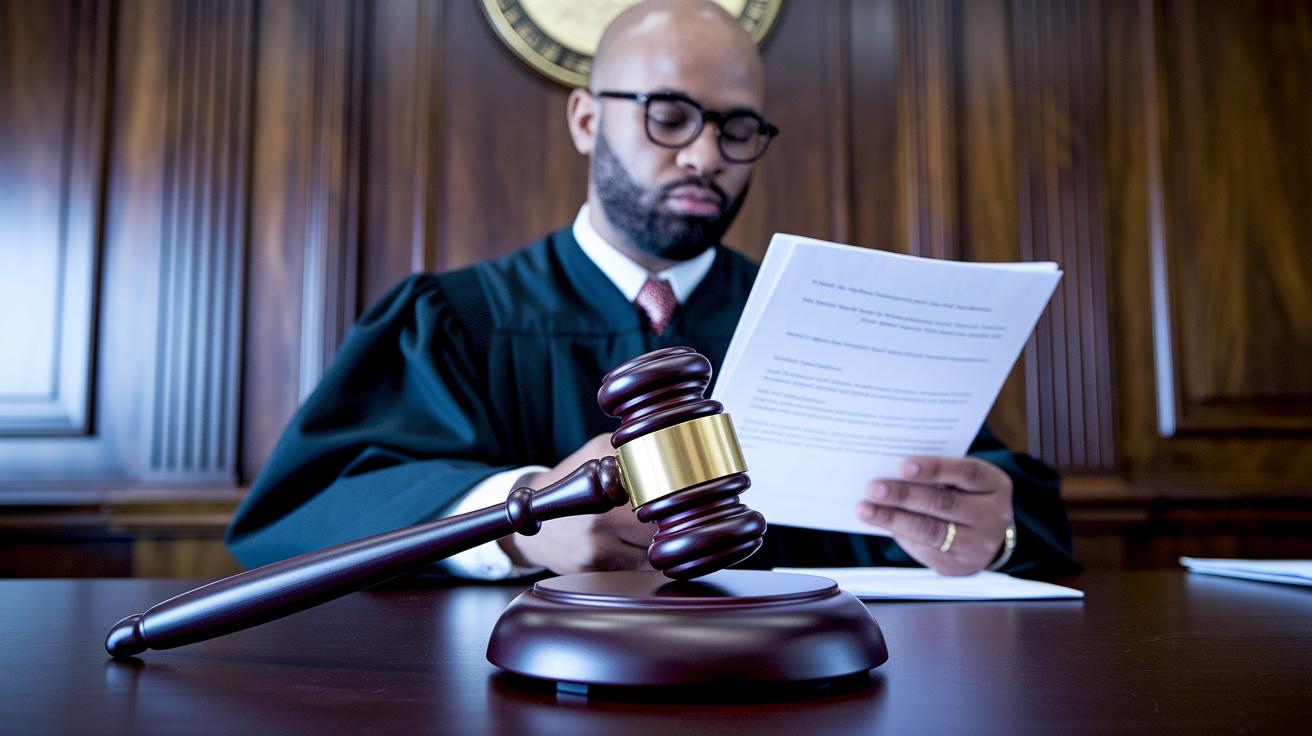
Legal decisions have come a long way. In the early days, judges made decisions on the spot without a strict guide. But in medieval England, judges began writing down their decisions. This simple habit slowly grew into a system that helps courts follow clear guidelines today.
| Year | Jurisdiction | Milestone |
|---|---|---|
| 12th Century | England | Henry II’s royal courts begin recording decisions, sowing seeds of uniform case law. |
| 1803 | United States | Marbury v Madison establishes judicial review and reinforces federal precedents. |
| 1954 | United States | Brown v Board of Education overruling “separate but equal,” illustrating both binding and overruling dynamics. |
Later on, the idea of following past cases became even more important. In the U.S., Marbury v Madison showed that past decisions matter a lot and even led to the idea of judicial review, a way for courts to check government power. By the mid-1900s, cases like Brown v Board of Education proved that times change and old rules might need to be updated for fairness. This mix of sticking to past decisions while knowing when to change is a big part of our legal system. Isn’t it interesting to see how history shapes today’s courtrooms?
Interpreting Court Opinions: Methodologies for Applying Legal Precedent
Lawyers and judges dig into written opinions to figure out how a decision was reached. They kick things off by spotting the ratio decidendi, which is just a fancy way of saying the main legal rule behind the decision. For example, if a judge says, "A contract must be clear and fair," that line acts as a guiding rule for future cases.
Then, they check out obiter dicta, remarks that add extra insights but aren’t ones you have to follow. It’s a bit like having extra notes in a recipe that you can tweak if you want.
Next, they compare the facts from a previous case with the new one. This helps them decide if an earlier ruling should shape the current decision. They also figure out whether the precedent is binding (meaning it must be followed) or just persuasive (meaning it’s more like a helpful hint).
Finally, they weave the chosen precedent into their legal reasoning. They do this by citing it correctly to keep everything clear and consistent. Think of it like putting together a puzzle: you gather all the facts, fit in the right legal rules, and build a solid argument that stands strong in court.
Landmark Judicial Cases: Illustrating Precedent Definition Law in Practice

Brown v Board of Education (1954)
This famous Supreme Court case changed the way schools were run in America. It tossed out an old rule from Plessy v Ferguson where separate schools were seen as equal. Instead, the court said that separated schools are never truly equal. This ruling pushed states to make their schools integrated. Imagine a town where a strict rule kept kids apart. After this decision, that rule was scrapped to give every child an equal chance.
Roe v Wade (1973)
Here, the court recognized that a person has the right to decide about abortion as part of their basic liberty. This decision has guided later cases on reproductive rights, helping courts weigh individual freedom against government interests. Think of it like a new recipe for fairness. Even though not all courts must follow it exactly, many have looked to this case as a trusted example when handling similar issues about personal health and privacy.
Kudlacik v Johnnys Shawnee Inc (Example)
This lower court decision made it clear how contract liability should be handled. The judge explained that if new cases are very similar to an old one, courts should follow the earlier decision. But if the facts change a lot or there is strong proof the earlier ruling was wrong, then they might do things differently. Picture two parties arguing over a contract. They can point to this decision as a steady rule, making sure that similar disagreements are judged in the same way.
Limitations and Critiques of Precedent Definition Law
Critics say that sticking too closely to old case decisions can keep mistakes or outdated ideas around longer than they should. They point out that when judges follow rules set a long time ago, it can block fresh ways to solve today’s problems. Some even worry that these old decisions might not fit modern issues, and any error made in the past can keep cropping up. For instance, in one case, a ruling that once seemed right later led to more complications when brand-new situations appeared.
Others offer a different view. They caution that being too bound by old rules might slow progress. They argue that judges should be willing to update or even let go of old decisions if they no longer match our modern values. This debate often comes down to a choice between keeping past rulings exactly as written or letting the law evolve with society.
Key points include:
| Observation | Implication |
|---|---|
| Old rules might ignore current needs | They could fail to address modern issues |
| New cases require fresh thinking | There’s a need for adaptable legal solutions |
These critiques show that the law is always trying to balance stability for fairness with the need to update our approach when history no longer serves justice.
Final Words
In the action, we broke down how past decisions guide today's court rulings by explaining the core ideas behind binding and persuasive examples. We looked at significant cases and examined the historical twists that have built our legal system. By highlighting each step, from interpreting opinions to considering fresh challenges, we painted a clear picture of precedent definition law. It’s inspiring to see how valid legal principles continue to shape the future in such a thoughtful way.
FAQ
What is the legal meaning of precedent?
The legal meaning of precedent is the use of past court decisions to guide judgments in similar cases, ensuring that rulings are consistent and fair over time.
How does stare decisis relate to legal precedent?
Stare decisis means “to stand by things decided.” It means courts will follow earlier rulings, helping maintain stability and predictability in the legal system.
Can you provide an example of a legal precedent in practice?
An example is Brown v Board of Education, where the decision set a binding rule to end school segregation, guiding future cases with similar legal issues.
What is persuasive precedent and how is it used?
Persuasive precedent refers to earlier decisions from similar courts or scholarly opinions that judges may consider but are not required to follow, helping inform their decisions.
What does the doctrine of precedent mean in government contexts?
The doctrine of precedent in government means that previous decisions by higher authorities serve as guiding examples for future rulings, promoting consistency in legal matters.
What is meant by the term “common law precedent”?
Common law precedent refers to judicial decisions made in common law systems that shape future rulings by setting legal guidelines based on past judgments.