

Ever wonder how our legal system got its start? It all began in a small village where people gathered not in a fancy courthouse, but under an old oak tree. Local elders would listen to everyone and settle disputes right there.
Back then, they used simple community rules to manage disagreements. Later, when King Henry II made some bold changes, it set the stage for what we now call common law. This means that his new ideas helped transform loose traditions into a system we rely on today.
When we look back, it's clear that old customs still mix with fresh legal ideas in our modern courts. Isn’t it interesting how a gathering under an oak tree could eventually lead to the rules that help keep our society fair?
Historical Overview of the Origins of Common Law
Before 1066, local Anglo-Saxon elders and community groups handled disputes using customs that had been passed down for many years. They solved problems in simple, familiar ways, picture a group of trusted village elders coming together under an old oak tree to settle a disagreement. This was early community justice at work.
Then King Henry II came along and changed the game. Around 1176, he sent royal judges on the road so that everyone, no matter where they lived, got the same fair treatment. Earlier, in 1166, the Assize of Clarendon brought local people into the process by using juries made up of community members. By adding local wisdom to legal decisions, these changes helped create standard procedures that blended fresh Norman ideas with time-honored Anglo-Saxon ways. By 1190, the royal council, known as the Curia Regis, had set up clear rules that formed the backbone of common law, a system that brings order and fairness to the courtroom even today.
All these early steps show how common law grew from small, local practices into a powerful, centralized legal framework. Isn’t it interesting to see how this long journey still shapes the way we understand and practice law?
Medieval Developments in Feudal Legal Frameworks and Common Law Building Blocks
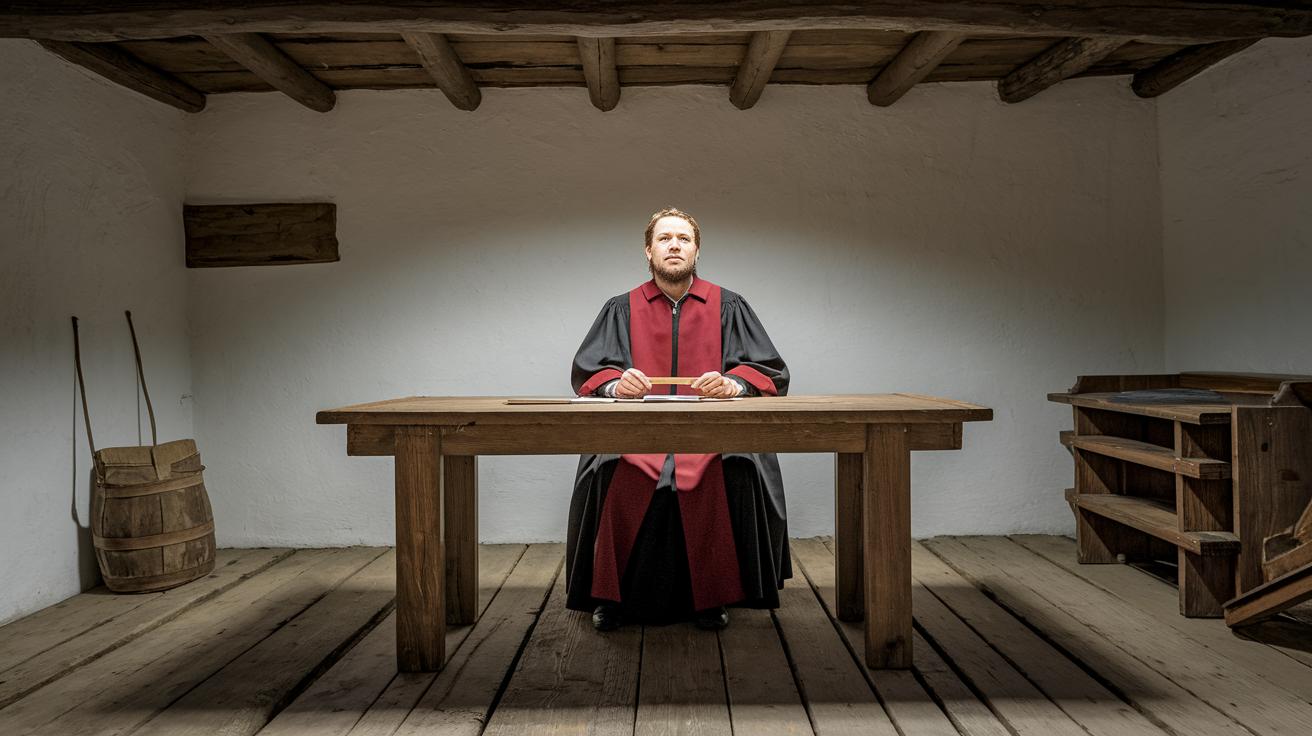
Medieval manorial courts were the heart of England's early legal system. In small communities, these courts settled everyday disputes using customs handed down through generations. Local lords ran the courts, helping neighbors resolve minor conflicts and keeping order with familiar, community-based methods.
Next came a series of courts that each handled different types of cases. Local disputes were managed by manorial courts, while hundred courts took care of land issues and minor offenses. Shire courts dealt with more serious crimes and property matters, and the King's Bench handled appeals and cases under royal oversight.
During the 12th and 13th centuries, the way disputes were resolved expanded well beyond local customs. Courts began blending neighborhood decision-making with rules from a central authority. In 1259, the Provisions of Westminster introduced uniform procedures and standard writs, making legal decisions more consistent across areas. This approach helped maintain traditional practices while creating a clear set of rules that everyone could follow.
Think of it like building a sturdy house, each court system was a solid brick that contributed to the overall structure of common law. Local courts, whether addressing everyday squabbles or bigger crimes, played an important role in shaping the legal frameworks we rely on today.
Judicial Precedent Development: Evolution of Case Law in Common Law Origins
Back in the late 1200s, as England’s legal system was starting to take shape, traveling judges began writing down their decisions. Over time, these simple notes were organized into collections known today as the Year Books. These books were the nation’s first law reports, showing how courtrooms reasoned through cases and made decisions.
Early Case Reporting
In the early days, the handwritten notes of these justices turned into more structured reports. Judges shared these records with each other to help decide similar future cases. Think of them as early how-to guides for legal decisions – they broke down past cases in clear, easy-to-follow steps. This process was a big part of forming the idea of stare decisis, which means that similar cases should be decided in the same way.
Landmark Decisions and Methodology
Key cases like the Case of Proclamations (1611) and Entick v. Carrington (1765) changed how the law was applied. These cases not only limited the power of the king but also protected individual rights. Their clear reasoning set simple rules for examining cases, so decisions became more predictable. By establishing these early precedents, the legal system made sure that future rulings would follow a steady, reliable pattern.
Origins of Common Law Explained: Fascinating Roots
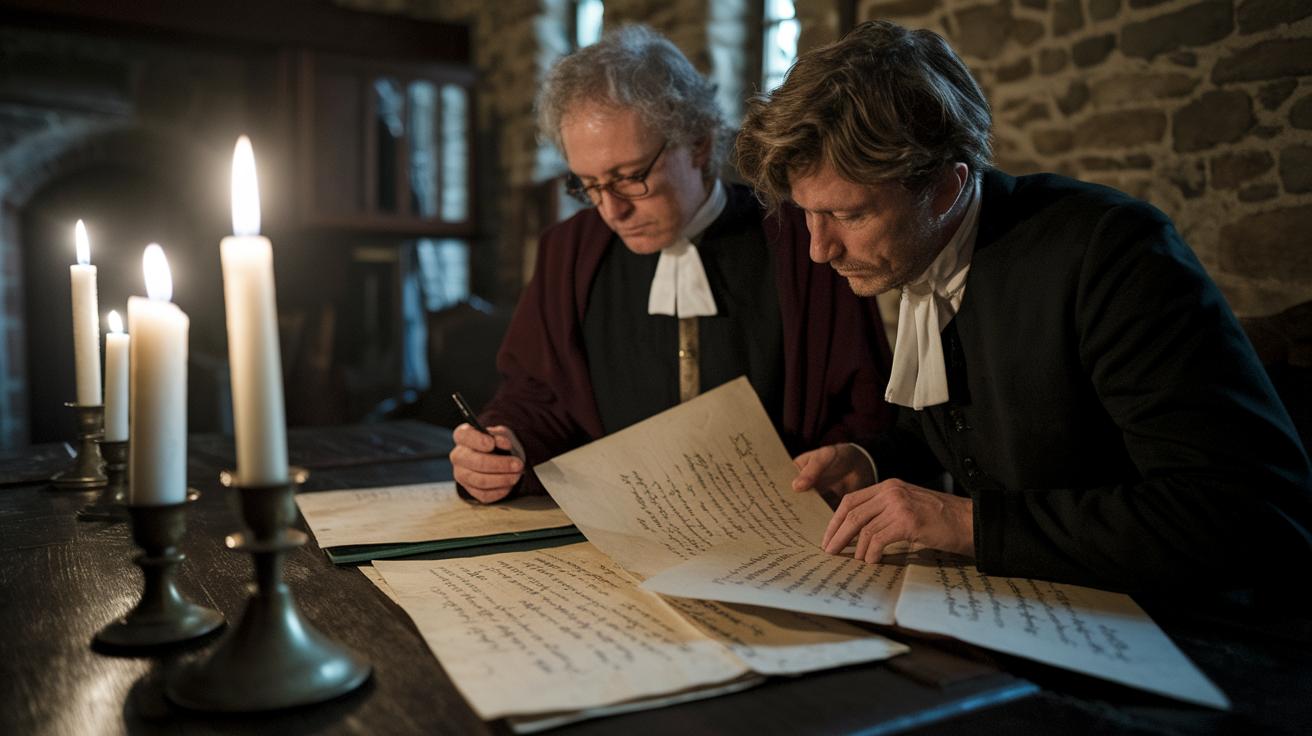
Before formal juries stepped into the courtroom, communities handled wrongdoings with a practice known as hue-and-cry. Neighbors would band together to point out misbehaviors. In 1166, the Assize of Clarendon changed everything by introducing presentment juries, groups of local people who helped uncover crimes. It’s interesting to think that early citizens acted like the law, calling out offenders in broad daylight.
Juries in the Assize
In the 12th century, presentment juries became a neat way to track down criminal behavior. These local groups used their own community insights to spot offenses. This method laid the groundwork for the formal jury system we see today in both civil and criminal cases.
Evolution of Evidence Standards
Customary legal practices played a big role in shaping how evidence was used. Local traditions helped decide what proof was allowed and how facts were set. This ensured that decisions were built on everyday community experiences. Even into Tudor times, the customs in manor and borough courts continued to influence verdicts and shaped the adversarial process that is central to common law.
From Medieval Norms to Modern Principles: Statutes, Reforms and Institutional Evolution
Magna Carta, signed in 1215, was a real game-changer. It showed that even kings had to follow the law. This idea set things in motion for later changes. Then, in 1258, the Provisions of Oxford stepped in to watch over the king’s court, making sure his decisions stuck to proper procedures. A short while later, in 1275, the Statute of Westminster gathered legal rules into a clear framework. Each of these steps helped shape a legal history that eventually evolved into our modern common law. After the Bill of Rights came in 1689, courts began using judicial review, a way of checking that government power didn’t trample on individual rights.
| Reform | Date | Impact |
|---|---|---|
| Magna Carta | 1215 | Set limits on royal power and secured fair treatment under the law |
| Provisions of Oxford | 1258 | Kept the king’s court decisions in check with established procedures |
| Statute of Westminster | 1275 | Organized legal writs and laid out clear legal processes |
| Bill of Rights | 1689 | Laid the groundwork for courts to review government actions |
These reforms mark key moments that link old ways with modern ideas of justice. They remind us that the principles of common law still guide how we balance government power and individual rights today.
Final Words
In the action, we traced early Anglo-Saxon courts paving the way for Henry II’s notable reforms. We looked at how medieval courts, from manorial to the King’s Bench, set the stage for fair adjudication. We then moved on to the rise of the jury system and case law that established predictable legal standards. Finally, we saw how statutes and reforms bridged historic norms to modern practices. Each step reflects the rich heritage found in the origins of common law explained, promising a bright future for legal evolution.
FAQ
What are the origins of common law?
The origins of common law began with Anglo-Saxon courts, and after 1066, Norman methods combined with Henry II reforms to standardize legal practices, setting the stage for a unified judicial system.
How did medieval justice systems shape common law?
The medieval justice systems shaped common law through local manorial, hundred, and shire courts along with the King’s Bench, while reforms like the Provisions of Westminster established common procedures across regions.
How was judicial precedent established in common law?
The establishment of judicial precedent came from early law reports known as the Year Books and key decisions that set a pattern for consistent legal reasoning, which now ensures fairness and predictability.
How did the jury system and customary practices develop in common law?
The origins of the jury system emerged from the Assize of Clarendon with juries of presentment, while longstanding local practices continued to influence how evidence was assessed in judicial settings.
How have medieval norms evolved into modern judicial principles?
Medieval norms evolved into modern legal principles through statutes like Magna Carta, the Provisions of Oxford, and codified writs, ultimately leading to a system that embraces judicial review and safeguards individual rights.