

Ever wondered if justice really reaches everyone? The International Criminal Court, or ICC, works hard to hold those responsible for war crimes, genocide, and crimes against humanity accountable. Created in 2002, it has issued over 50 charges and taken many offenders to trial. Supported by 124 nations, the ICC shows that global justice is not just a big idea – it’s a powerful way to keep even the powerful in check.
international criminal court: Advancing Global Justice
Founded in 2002, the International Criminal Court aims to hold individuals accountable for war crimes, crimes against humanity, and genocide. Its main office is in The Hague, but it also runs several field offices around the world. The Office of the Prosecutor, led by Karim A.A. Khan, drives investigations to ensure that those who commit grave crimes face international legal consequences.
Countries become members by ratifying the Rome Statute. So far, 124 nations have taken that step. Big powers like the United States, China, and Russia haven’t joined, which adds an interesting twist to its global reach. Imagine a court where nearly every nation is united in the fight against impunity.
Since its inception, the ICC has indicted over 50 people. Among these, 21 cases led to detentions in The Hague, with 10 resulting in convictions and 4 in acquittals. Each judgment builds the court’s reputation as a defender of international law and a beacon of hope for victims seeking justice on a global stage.
This system not only strengthens the rule of law but also stands as a warning against future atrocities. When accountability is missing, the ICC steps in to ensure that serious criminals can’t escape justice. Its ongoing efforts remind us that even in our complex world, international justice remains a powerful force for good.
Historical Foundations of the International Criminal Court and the Rome Statute Framework

The Rome Statute was approved in 1998 and came into effect on July 1, 2002. This treaty created the International Criminal Court (ICC), the first permanent court aimed at handling severe crimes like war crimes, crimes against humanity, and genocide. Think of it like following a trusted recipe, where every legal ingredient was carefully measured to build a system that stands the test of time. When countries agreed to the Rome Statute, they carved out a clear path to hold individuals responsible on a world stage.
Before the ICC existed, temporary courts were set up for specific conflicts. But unlike those short-lived tribunals, the Rome Statute laid down long-lasting rules for bringing offenders to justice. Its creation marked a major turning point in global law, shifting from one-off trials to a system that keeps working over the long term. Ever wondered how such a change might affect everyday justice? It certainly set the stage for a more consistent approach across nations.
Now, with 124 countries having ratified the treaty, the framework supports the ICC’s power and helps bring an end to the impunity surrounding some of the worst crimes known to humanity.
Structure, Membership, and Jurisdiction of the International Criminal Court
The International Criminal Court is based in The Hague, Netherlands, and works with field offices all over the world to address serious crimes like war crimes, crimes against humanity, and genocide. Countries join the court by agreeing to the Rome Statute, a treaty that sets out clear rules for upholding international law. Think of it like neighbors agreeing to follow a set of community rules. Not every major nation is a member, big players like the United States, China, and Russia have decided not to join, which adds an interesting twist to the court’s lineup.
The court’s judicial branch is made up of 18 judges chosen by the Assembly of States Parties. These judges come from different regions and bring a mix of legal skills, much like forming a team where everyone has a unique perspective on fairness and justice. Their job is crucial in understanding and interpreting tough legal cases, ensuring that every decision reflects a blend of legal traditions.
The Office of the Prosecutor, headed by Karim A.A. Khan since 2021, leads investigations into crimes under the court’s watch. Jurisdiction applies when crimes are committed in a member country or by its citizens, or when a case is sent by the UN Security Council. This setup lets the ICC act on cases almost anywhere, as long as there is a clear legal or international link.
| Key Element | Explanation |
|---|---|
| Membership | Countries join by ratifying the Rome Statute, agreeing to follow established rules |
| Judges | 18 judges are elected for their expertise and from various regions to ensure balanced justice |
| Jurisdiction | Covers crimes linked to member nations or cases referred by the UN Security Council |
Key Cases, Indictments, and Prosecutorial Strategies at the International Criminal Court
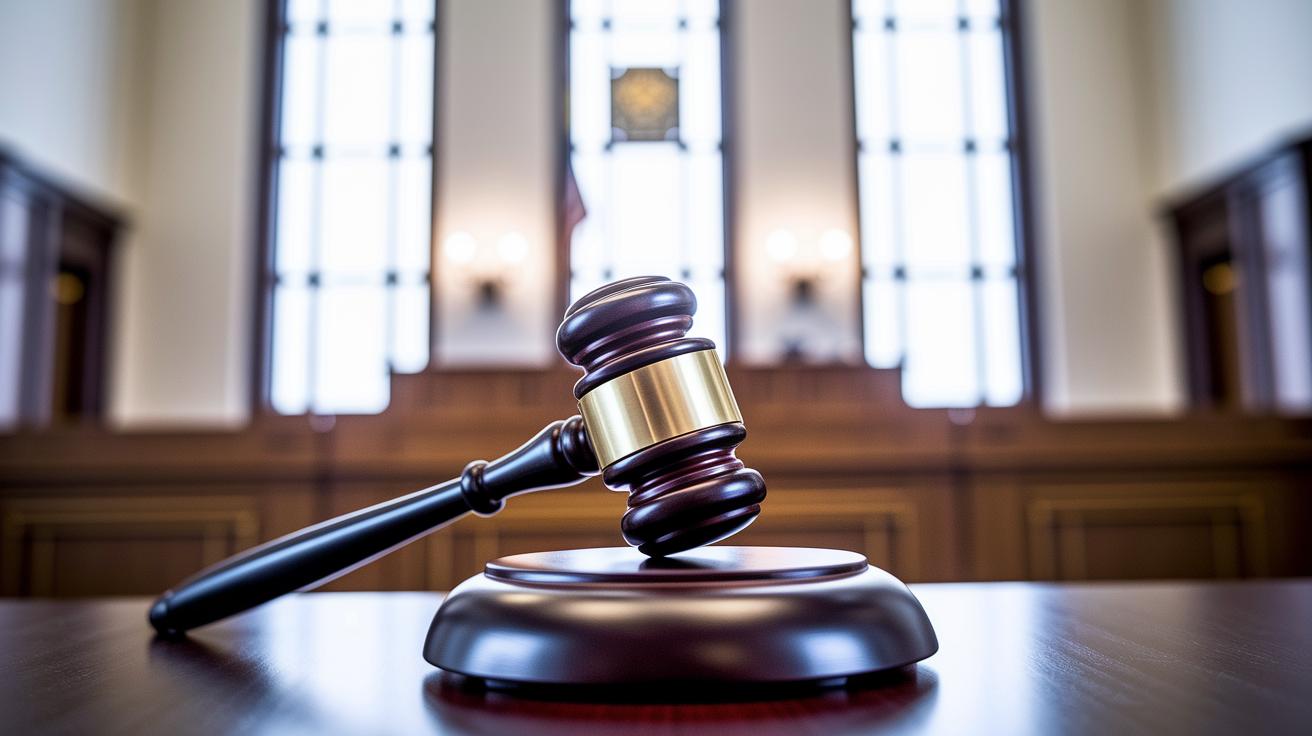
The International Criminal Court (ICC) has held groundbreaking war crimes trials that resonate worldwide. Since its inception, the ICC has delivered over 50 indictments covering cases from local conflicts in Africa to major global headlines. In many instances, charges for crimes against humanity bring forward poignant survivor testimonies that reveal the deep human toll of conflict. Imagine the steady thud of a gavel in court, each strike marking a step toward justice.
Back in March 2025, the ICC made a bold move by issuing an arrest warrant for former Philippine president Rodrigo Duterte on murder charges linked to extra-judicial killings, a term for killings carried out without legal process. This case grabbed attention not only because a high-ranking leader was on trial, but also due to the compelling evidence presented in court. Picture it: a former leader held accountable, forcing the world to confront the lasting mark of violence, while the Court builds on past genocide cases to nail personal responsibility for collective crimes.
Elsewhere, the investigation into alleged war crimes in Israel shows how tricky legal strategies can become. Political pressure and external threats have stalled the process, posing serious challenges for the Prosecutor’s Office. This situation reminds us that when global politics mix with local disputes, achieving clear justice becomes even more complicated. It leaves us wondering, how can legal procedures be safeguarded in such high-stakes international drama?
By meticulously gathering evidence and crafting sound legal arguments, the ICC continues to refine its strategy. This balanced approach confronts the harsh realities of global conflicts while ensuring every case meets strict legal standards. In doing so, the Court shows us that international criminal justice is a dynamic and ever-evolving field.
Legal Procedures, Evidence Standards, and Operational Protocols of the International Criminal Court
At the ICC, the legal journey begins with a careful look at each case. First, there’s a solid preliminary review to decide if the matter is serious enough for further action. Then, the Prosecutor’s Office steps in to gather all the details, much like fitting together pieces of a complex puzzle.
- Preliminary Review: An initial check to see if the case meets basic criteria for moving forward.
- Detailed Investigation: A thorough collection of facts and evidence, ensuring that only strong, reliable information is used.
- Arrest Warrant: A formal legal step that lets authorities take suspects into custody.
- Charge Confirmation: A critical stage where the evidence is carefully evaluated to confirm its strength.
- Trial: The case goes to a formal hearing where all the evidence is measured against the “beyond reasonable doubt” standard. This means judges must be completely convinced of a defendant’s guilt.
- Appeal: A built-in chance to re-examine the trial, making sure that justice remains intact.
Every piece of evidence must win over any lingering doubts before justice can be served. The ICC also takes great care to protect witnesses. People who testify can receive confidential help and even relocation if needed, all while strict security protocols keep everyone safe and maintain fairness every step of the way.
Criticisms, Challenges, and Reform Debates Surrounding the International Criminal Court

Some say the ICC struggles to make a clear impact because it doesn’t have the power to force everyone to play along. When countries choose not to help, the court’s work slows down, leaving many people feeling disappointed and let down.
For example, think about when one nation refused to hand over a suspect. It was like trying to fix a leak while water keeps coming from another opening, a major setback that really hampered progress. People also worry that politics might get involved, meaning outside pressure could sway key decisions.
Then there are concerns about fair treatment. Folks keep asking how judges are picked and whether these selections truly reflect the fairness and unbiased judgment expected from a leading legal institution.
Money issues add another layer of trouble. With a 2024 budget of around $187 million, critics point out that funds sometimes fall short. This limited budget makes it harder for the court to prepare cases well and run smooth trials. It’s like trying to power a huge machine on just a little bit of fuel, every drop matters, but there’s simply not enough to keep everything running at full strength.
Right now, lively debates are underway about changing the way things work. Many believe that making procedures more open and efficient, and boosting the court’s capacity to enforce international justice, could help. The reform ideas try to strike a balance between staying independent and being held accountable, with the goal of rebuilding trust and solidifying the court’s role in the world of law.
Budget, Funding Structure, and Future Outlook for the International Criminal Court
The ICC is running on a modest 2024 budget of about $187 million. This money comes from its member countries, with each country contributing based on its economic strength. Japan, Germany, France, and the United Kingdom are among the biggest contributors, while support from the UN helps with important logistics and referrals.
There’s a lively debate happening about how to improve the Court's work. Some folks are talking about speeding up case processing, making it easier to handle digital evidence (think scanning a document on your phone), and even broadening the Court’s role. All these ideas are part of a bigger plan to boost the Court’s overall ability and global reach.
Imagine a courtroom where everyday tech makes handling evidence as simple as using your smartphone. With steady international funding, real improvements might be just around the corner.
Final Words
In the action, this article traced the international criminal court's journey from its historical roots and Rome Statute legacy to its present-day operations. It reviewed the court’s structure, landmark cases, legal procedures, and ongoing debates over reform. The discussion highlighted how the international criminal court works to uphold accountability and strengthen the rule of law. The analysis provides a clear glimpse into global criminal accountability and leaves us with hope for continued progress in the pursuit of justice.
FAQ
Who are the ICC members and which major countries are not members?
The ICC members include 124 States Parties that ratified the Rome Statute, while major non-members, such as the United States, China, and Russia, have not joined the Court.
Where is the International Criminal Court headquartered and located?
The ICC is headquartered in The Hague, Netherlands, and operates field offices around the world to support its investigations led by the Office of the Prosecutor.
When was the International Criminal Court established?
The ICC was established in 2002 under the Rome Statute to prosecute war crimes, crimes against humanity, and genocide.
How are ICC judges selected and what is their role?
The ICC judges are elected by the Assembly of States Parties from a pool of 18 qualified jurists, ensuring fair representation and impartial oversight in international criminal justice.
Who is the ICC President and what are their responsibilities?
The ICC President leads the judicial branch and oversees administrative tasks and judicial proceedings, with leadership rotating as determined by the elected ICC judges.
What is the main purpose of the International Criminal Court?
The ICC’s purpose is to hold individuals accountable for grave international crimes, enhancing the rule of law by addressing war crimes, crimes against humanity, and genocide.
Does the United States belong to the International Criminal Court?
The United States is not a member of the ICC since it has not ratified the Rome Statute, opting to remain outside the Court’s legal framework.
Who has been convicted by the ICC?
The ICC has convicted several individuals amid more than 50 indictments, securing multiple convictions in cases involving serious international crimes.
Can anyone be taken to the ICC or participate in its proceedings?
The ICC handles cases against individuals accused of international crimes; as such, only those formally indicted or involved in significant legal matters fall under its jurisdiction.
Is there live coverage of International Criminal Court proceedings?
The ICC offers live updates on major trials and key events through its official website and news outlets, allowing the public to stay informed about ongoing proceedings.