

Have you ever wondered if our laws truly protect the air we breathe and the water we share? Environmental rules work like a simple recipe; they mix laws, government checks, and public input to keep nature safe. This guide talks about key rules like NEPA and shows how the EPA works with others to cut down pollution risks. It explains the clear steps that help safeguard our everyday health and build a cleaner, safer world for everyone.
Environmental Regulation and Legal Frameworks: A Comprehensive Overview
U.S. environmental law stands on strong rules. One important rule is NEPA, which makes sure big federal projects have an Environmental Impact Statement. This statement checks how projects affect the air, water, animal homes, and people’s health. Imagine a chef gathering all the right ingredients to make a meal both safe and tasty.
The EPA, created in 1970, is a key player in keeping these laws in check. It takes care of major rules like the Clean Air Act, which sets limits on air pollution, and the Clean Water Act, which protects water from harmful waste. The EPA also teams up with state and local groups and runs studies to lower pollution risks.
For almost 50 years, modern environmental law has helped us enjoy cleaner air and water. This system keeps growing through new laws and court decisions. It shows a real promise to protect our health and our surroundings.
Around the world, countries join hands to tackle big issues like climate change and saving nature. These international deals guide domestic rules too, much like following a well-marked map. In this way, nations adjust their own laws to guard both the environment and communities.
Today’s environmental laws involve a mix of federal, state, local, and international efforts. They work together to build a strong and flexible framework that keeps our air, water, and overall public health safe.
Historical Development of Environmental Regulation and Legal Frameworks
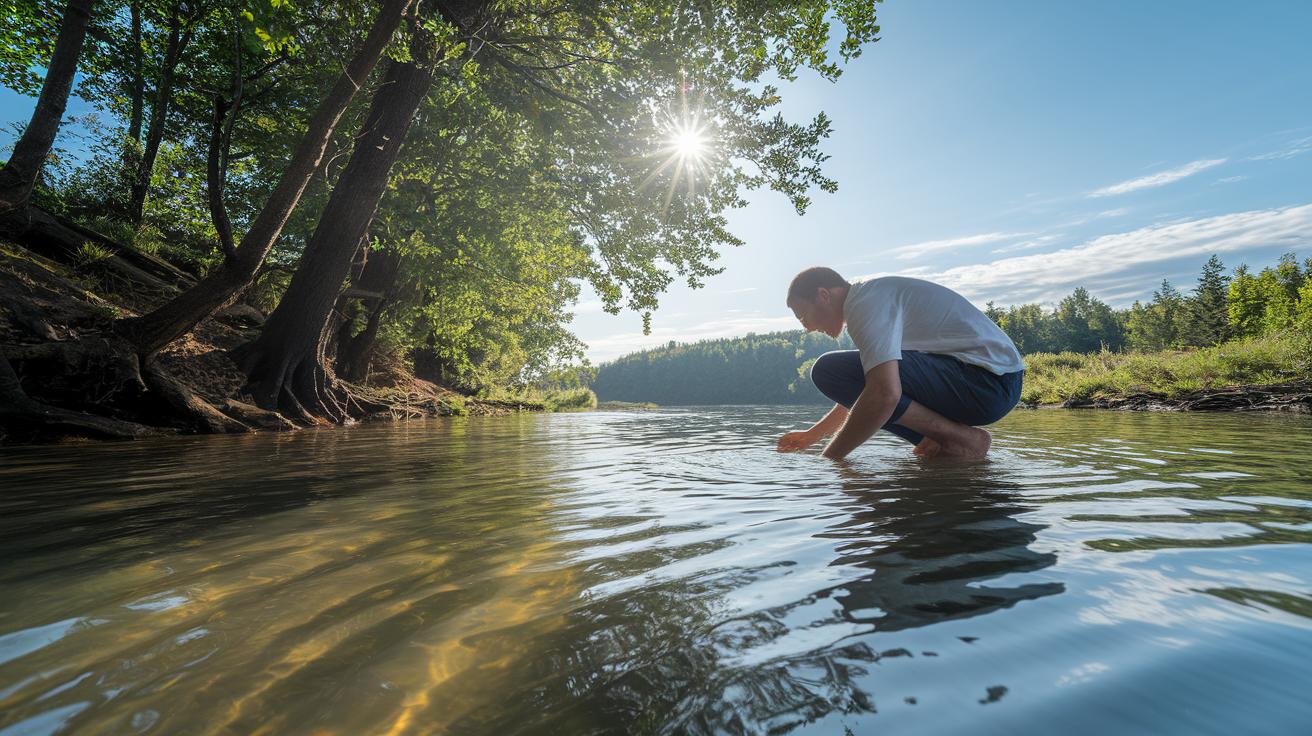
Environmental protection began in the early 1800s with simple ideas based on common law. Back then, people believed that water and natural resources belonged to everyone. They practiced principles like riparian rights (which give people rights to use water near their land) and the public trust rule (the idea that some resources are a gift to everyone). Imagine a small town relying on a nearby stream for farming and daily life, it was an early sign that everyone should help take care of nature.
In the 1970s, big changes reshaped how we manage the environment. In 1970, the National Environmental Policy Act (NEPA) was set up to require detailed reviews of how major projects might affect nature. Not long after, landmark laws such as the Clean Air Act and Clean Water Act were passed to limit nasty pollutants in the air and water. Around the same time, the Environmental Protection Agency (EPA) was born to enforce these rules, acting like a guardian for our natural resources. Ever wondered how these laws make your day-to-day life a little cleaner and healthier?
Since those early days, environmental law has continued to evolve. Over the past fifty years, updates in laws and court decisions have brought more oversight from state and local agencies, making sure rules fit local needs. Plus, countries around the globe now work together on big challenges like climate change and protecting endangered species. This steady evolution is a reminder that caring for our planet is always a work in progress.
Key Components of the Environmental Regulatory Framework
The United States builds its environmental law on a few key rules and steps that guide decisions across different government levels. First off, there's NEPA and its Environmental Impact Statement. This process checks how big projects might affect our air, water, wildlife, and even our health. For example, think about planning a new highway and having to figure out if it might hurt a nearby wetland.
The Clean Air Act is another cornerstone. It lays down strict limits on how much pollution businesses can pump into our air. Using solid scientific data, it makes sure companies update their methods and equipment to cut down harmful emissions. Imagine a factory needing to install better filters to keep its output safe, that’s the Clean Air Act in action.
Then there’s the Clean Water Act, which focuses on keeping our water clean. It stops factories and other sources from dumping harmful substances into our streams, rivers, and lakes. Picture a facility that must treat its wastewater carefully so it won’t endanger aquatic life or the water we drink.
The Resource Conservation and Recovery Act, or RCRA, gives clear directions on handling dangerous waste. It’s much like following a recipe, where every step matters to prevent harmful materials from damaging our land.
Lastly, the Endangered Species Act works to protect wildlife by keeping their natural homes safe. This law helps ensure that vulnerable species have a fighting chance of survival.
| Statute | Main Focus |
|---|---|
| NEPA | Checks project impacts on nature and public health |
| Clean Air Act | Sets limits on industrial air pollution |
| Clean Water Act | Controls pollutants in water bodies |
| RCRA | Manages hazardous and toxic waste |
| Endangered Species Act | Protects vulnerable wildlife and their habitats |
Role of Regulatory Agencies in Environmental Regulation

Since the EPA was founded in 1970, it has played a central role in enforcing environmental laws like the Clean Air Act and the Clean Water Act. Think of these laws as a recipe for keeping our air and water safe; if you miss a step, the result just isn’t right. As we discussed in our regulatory frameworks review, the EPA often hands off enforcement tasks to state and local groups and even offers grants to help lower pollution risks.
Federal courts also watch over the process by interpreting these laws and making sure everyone is held accountable. The EPA releases clear instructions about how permits work and what meeting the rules looks like, all of which fits into our bigger picture of environmental regulation.
Recent Legal Developments in Environmental Regulation
Big changes in the law are changing how companies share information about pollution. Starting in 2024, companies earning more than $700 million must tell everyone about their own emissions (called Scope 1) as well as emissions from using bought electricity (Scope 2). Think of it like handing in a report card that lists every single grade. By 2026, these companies will also have to include details about emissions from their entire supply chain (Scope 3), and outside experts will check their work.
Over in California, new laws are pushing for even more openness. Under California SB 253, companies making more than $1 billion have to fully disclose all their greenhouse gas emissions, including Scope 3, by 2030. At the same time, California SB 261 will require companies with more than $500 million in revenue to clearly explain how climate change might hurt their finances. Imagine a town council carefully tracking every dollar spent so that everything is fair – that’s the kind of strict checking these laws bring.
New York is joining the effort with a proposed Bill A4123. This bill would require companies earning over $500 million to report both their direct and indirect emissions and to share solid plans on managing climate risks. The rules under this bill are expected to kick in by the late 2020s, adding another layer of responsibility for businesses.
On the global stage, the EU is stepping up as well. Their Corporate Sustainability Reporting Directive demands that large multinational companies share thorough reports about their environmental, social, and governance practices by 2026. This trend shows that more and more places around the world are set on holding companies accountable for the impact they have on the planet.
Compliance Strategies for Environmental Regulation and Legal Frameworks

Organizations need to do detailed checks on emissions and environmental impacts by following standard audit rules. These audits work like a report card, showing what’s running smoothly and what might need some extra care. Think of it like taking your car in for its regular check-up to ensure every part is in tip-top shape.
Next, companies should build strong governance systems along with clear risk plans. This means setting up the rules to meet SEC and state laws that require detailed emissions reports. It’s similar to having a reliable blueprint for a building where every part is secure and well-planned.
Using international standards can also make a big difference. When companies follow rules like the EU Corporate Sustainability Reporting Directive, the reporting process gets simpler and meets global standards. Plus, by using tried-and-true audit reports and checklists, the steps for getting NEPA and EPA permits become much clearer, almost like following a recipe to make sure nothing is missed.
In short, companies should:
- Do regular checks on emissions and environmental impacts.
- Build systems that work hand-in-hand with risk plans to meet new laws.
- Ensure internal reports follow both local and international rules.
- Use audit reports and checklists to handle permit approvals smoothly.
Following these strategies not only boosts transparency but also sets the stage for ongoing improvements in environmental practices. Imagine planning a long road trip with a detailed map, you know every turn and stop ahead of time, which helps avoid unexpected roadblocks. This thoughtful, proactive approach makes it easier to run operations smoothly and keep up with legal requirements.
Enforcement Case Studies in Environmental Regulation
Federal courts often step in to enforce the Clean Air Act and Clean Water Act when big companies fail to control harmful emissions. In one case, a huge factory had to install new treatment gear because its waste put a local river at risk. Imagine a town watching the law in action, protecting its environment step by step.
Market tools also help guard our air and water. Carbon taxes and emissions trading systems make it more expensive for companies not to clean up their act. It’s like getting a fine for speeding; you pay up and learn your lesson, only in this case, it’s about keeping our planet clean.
Sometimes, the rules create tricky challenges. There are cases where agencies can’t agree on who should cover the cleanup costs without hurting a project’s chances. In one instance, a company claimed that updating its old equipment would ruin its business. The courts, however, gave NGOs and local citizens a chance to challenge that view, keeping public health as the top priority.
Other times, subsidies encourage companies to cut down emissions on a voluntary basis. These examples show that mixing market ideas with solid legal checks can really make a difference, even in complicated industrial settings.
Court cases and legal battles continue to shape environmental policies. One memorable remark was, "When the scales of justice favor the environment, even the biggest players must play by the rules." This ongoing process reminds us just how important it is to have strong and fair environmental standards.
International and Cross-Border Environmental Legal Frameworks

Global deals on the environment bring countries together by setting common goals to fight climate change and protect nature. It’s like neighbors agreeing to keep a shared park tidy. These agreements help smooth out problems that occur when pollution or damage doesn’t respect borders.
One example is the EU’s Corporate Sustainability Reporting Directive, or CSRD. Now, even companies outside the EU must show how they work toward sustainability. It’s a bit like updating a school project to meet two different sets of rules. Businesses are now required to change how they report information so they can follow both local and international standards.
Sometimes, conflicts that stretch across borders mean that countries need to sit down and talk about their agreements. Think of a river flowing through several regions where each area might argue over who should pay for cleaning it. In these cases, treaties give everyone a clear way to resolve their disagreements.
When we compare laws in different places, we see that the strictness of rules changes from one spot to another. For instance, the U.S. may enforce pollution rules one way, while the EU handles them differently. This matters for companies working internationally because they need to adjust to a variety of rules to stay in line wherever they operate.
Future Trends in Environmental Regulation and Legal Framework Evolution
New problems like losing species and more pollution are making us rethink how we care for nature. Today’s smart sensors and data tools help officials spot issues early, kind of like an early warning system for everyday dangers.
The rules that protect the environment are changing too. New laws now include plans for climate changes and building stronger systems to handle surprises. Think of it as updating a building's safety manual to make sure everything holds up even when unexpected things happen.
We also need to check these rules regularly to keep them honest and clear. Picture a public scoreboard that shows if a city is meeting its pollution targets. This kind of transparency holds everyone responsible and helps build trust in our community.
New career paths are opening up for legal professionals. Jobs in environmental advocacy, policy-making, and sustainable compliance are growing fast. These roles offer fresh ways to help our planet while building a rewarding career.
- Monitoring technologies offer real-time data to catch issues early.
- Climate adaptation plans guide safe building and community practices.
- Transparency efforts build trust between agencies and the public.
Final Words
in the action, we reviewed key parts of environmental regulation and the legal framework: a guide that breaks down major milestones like NEPA, the Clean Air Act, and EPA oversight. We saw how U.S. laws, global agreements, and real-world case studies shape compliance and enforcement.
This summary gives a clear look at current legal trends and practical steps to meet new requirements. Stay informed and positive as you use these insights to support smarter legal decisions every day.
FAQ
What does an environmental regulation and legal framework guide PDF provide?
An environmental regulation and legal framework guide PDF outlines key laws and agencies that protect air, water, wildlife, and human health. It helps users understand legal requirements and compliance steps.
What is the definition of environmental regulations?
Environmental regulations set legal standards to protect natural resources and public health. They control pollution and manage waste by outlining permitted levels for air, water, and land contaminants.
Who enforces environmental laws?
Environmental laws are enforced by agencies like the EPA along with state and local authorities. Federal courts sometimes review compliance and hold violators accountable, ensuring legal standards are met.
What are some key environmental laws, policies, and frameworks?
Key laws include NEPA, the Clean Air Act, and Clean Water Act. Frameworks may consider the 5 P’s—focusing on policy, practice, procedure, performance, and people—to guide environmental protection efforts.
What are examples of EPA regulations?
EPA regulations include standards under the Clean Air Act and Clean Water Act, along with rules found in the Resource Conservation and Recovery Act. They limit harmful emissions and control waste management to safeguard the environment.
What happens if you don’t follow environmental regulations?
Non-compliance with environmental regulations can result in fines, legal action, and higher remediation costs. Violations may also lead to harm to ecosystems and pose risks to public health.
What are the three major areas of environmental regulation?
The three major areas focus on air quality, water quality, and land or ecosystem protection. These areas collectively aim to reduce pollution, manage resources responsibly, and maintain public health.
What are some drawbacks critics cite about the EPA?
Critics argue that the EPA may sometimes act slowly or impose burdens on industry. Despite these concerns, the agency remains crucial in enforcing standards that protect both public health and the environment.