
Ever wonder how one court decision could change our lives? Big rulings like Brown v. Board of Education and Miranda v. Arizona broke away from old ideas and reshaped our legal system. In this piece, we explain how a handful of landmark cases changed school rules and personal freedoms every day. We'll explore how judges challenged the usual way of doing things and set new standards that still guide us today.
Essential Landmark Decisions That Redefined Law: A Definitive Overview

Big court decisions have changed how laws are read and used in the U.S. These important rulings clearly set new standards and help fix old ways of doing things. Think of them as turning points that guide our legal thinking and influence many issues.
These changes affect our basic rights and show the limits of government power. They not only shape future court cases but also mark key moments in our legal history.
- Brown v. Board of Education (1954): This case ended segregation in public schools, sparking major changes in civil rights to promote equality.
- Miranda v. Arizona (1966): This decision makes sure that anyone in police custody knows their rights, which changed police practices to protect individual freedoms.
- Roe v. Wade (1973): This ruling secured privacy rights related to reproductive choices, setting a firm step for personal liberty.
- Obergefell v. Hodges (2015): This case extended the right to marry to same-sex couples, marking a historic win for marriage equality.
- Loper Bright v. Raimondo (2024): This decision cut back on federal agency power by rejecting a rule known as Chevron deference, which means agencies must follow clear legal guidelines on their own.
These landmark cases show how judges can reshape laws by questioning old ideas and creating fairer paths for the future. Ever wonder how these decisions affect everyday life? They remind us that the law grows with society, adapting to our changing values and needs.
Transformative Ruling in Administrative Law: Loper Bright v. Raimondo as a Decisive Opinion That Redefined Agency Power

The Supreme Court ruled in Loper Bright Enterprises v. Raimondo on a Friday during the October Terms of 2020–2025. This decision changed the way judges interpret laws by ending a practice known as Chevron deference, a method that let agencies set their own rules. Before the ruling, agencies leaned heavily on this method, and many critics felt it messed with judicial accountability.
The judges made it clear that they must read and interpret the language of statutes on their own rather than simply accepting an agency’s expert opinion. They argued that the law should be clear and neutral, meaning even expert advice can’t replace a plain, independent reading of a statute.
This ruling marks a big shift in administrative law. It combines expert insights with a strict focus on the text of the law, ensuring that judicial review stays strong without giving too much weight to agency interpretations.
Historic Judgment in Civil Rights: Brown v. Board as a Pivotal Decree That Redefined Equality Law

Brown v. Board of Education came at a time when racial segregation was normal. It called into question the long-accepted practice of keeping students in separate facilities. The case highlighted deep social struggles and exposed America’s long history of racial divides. People were ready for change, and the ruling spoke to the need for fairness in education and daily life.
The Supreme Court delivered a clear, unanimous decision that overturned the old Plessy v. Ferguson ruling. They rejected the idea that separate could ever be truly equal, setting a new legal benchmark. This decision didn’t just change public schools, it reshaped the entire fight against segregation. It broke down barriers and paved the way for more progress in civil rights.
Even now, Brown v. Board stands as a key moment in the push for equal access and fair treatment. It reminds us of the power the law has to protect individual dignity and to drive social change. Ever wondered how one historic ruling could impact everyday life? This case shows that the journey toward equality often starts with a bold judicial decision.
Seminal Resolution in Reproductive Rights: Roe v. Wade as a Decision That Redefined Privacy Law

Roe v. Wade began by challenging laws that restricted personal choices in reproductive health. It grew from worries over keeping medical decisions private and turned a simple point about reproductive freedom into a deeper discussion on how our rights are protected. Imagine a legal battle where deciding about your own body becomes like mixing a recipe, each part vital to the final dish.
The court saw the law much like following a step-by-step recipe. Every piece of evidence, prior case, and legal argument mixed together to form a fair decision. Helpful documents from other experts, known as amicus briefs (which have guided legal decisions for over 200 years and now average about 16 per case), added useful insights. These submissions showed how trusted legal habits help clarify privacy rights and ensure fair treatment.
This landmark decision sparked ongoing debates about the balance between personal freedom and state control. It tells a fuller story now, covering both the legal rules and the big social impact of Roe v. Wade. In doing so, it remains a key, trailblazing moment in the history of reproductive rights.
Paradigmatic Finding in Marriage Equality: Obergefell v. Hodges as a Decision That Redefined Marriage Law
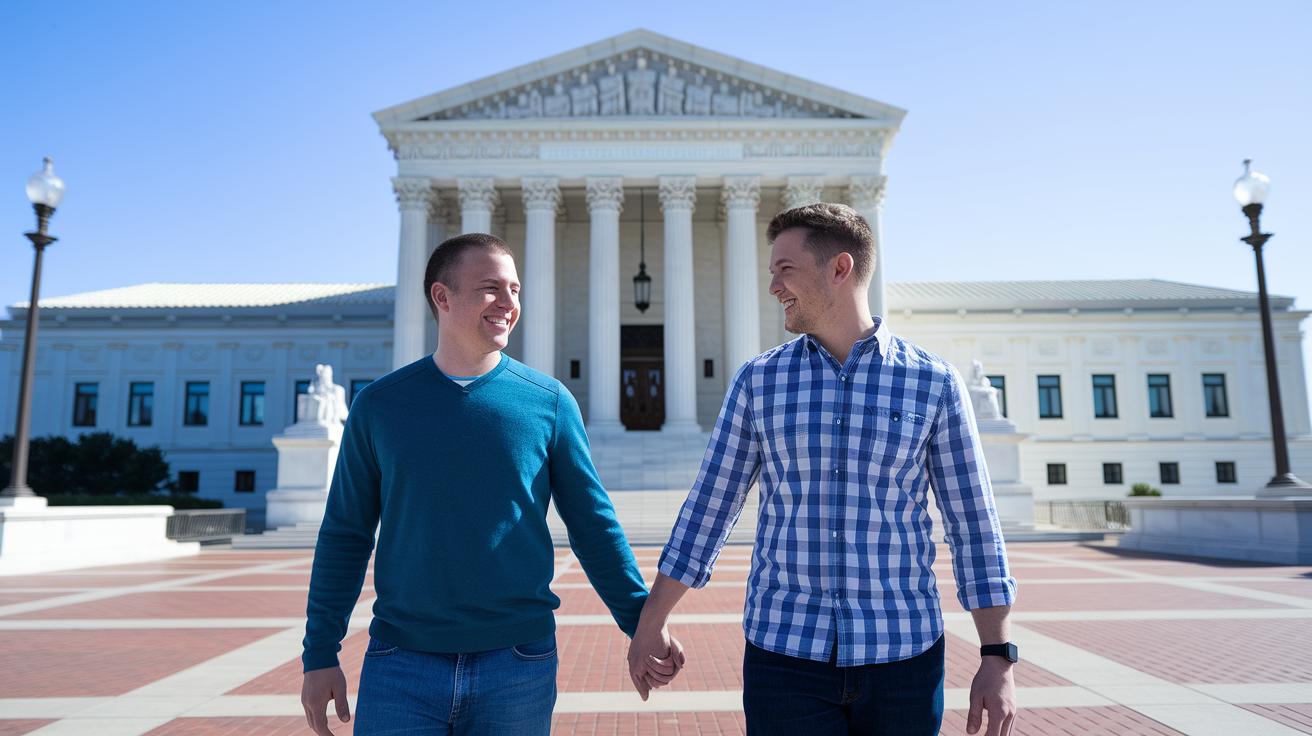
The Obergefell v. Hodges ruling changed how we see marriage by recognizing that equal protection under our Constitution covers same-sex marriage. The decision made it clear that denying marriage rights to same-sex couples goes against basic constitutional promises and upsets fairness in our society. Legal experts in the October Terms (2020–2025) have spent a lot of time looking at this ruling, discussing its deep impact and how it set up a unified way to think about equal protection in marriage law.
The majority of the Court explained that marriage equality is a fundamental right. This means that states must change their old rules that left out same-sex couples. In doing so, the decision makes sure that everyone, regardless of whom they love, has the same legal right to marry. It not only officially recognized marriage equality but also pointed the way for future legal challenges about equal protection, helping to guide new laws across the country.
A few justices did not agree and raised concerns about how much power judges should have in areas like this. Their quiet objections still fuel lively discussions about how much courts should step in compared to changes made by our elected officials.
Court Procedures and Amicus Briefs: Foundations Behind Decisive Opinions That Redefined Law
Looking at how the Supreme Court sorts its cases shows a clear system that shapes big decisions. The Court splits cases into groups like Capital Cases, Merits Cases, and Emergency Appeals, and they even have an Emergency Docket for very urgent issues. This way of organizing helps the judges review cases carefully and find clear ways to solve tough legal problems. It also gives us a peek into how landmark decisions help change our laws over time.
Docket Categories
| Category | Description | Number of Cases (2020–2025) |
|---|---|---|
| Capital Cases | Very serious cases that may include the death penalty. | Varies |
| Merits Cases | Cases decided mainly on their legal points. | Numerous |
| Emergency Appeals | Urgent issues that need a fast decision. | Limited |
| Emergency Docket | Cases put aside for quick review because they are urgent. | Several |
Role of Amicus Briefs
Amicus briefs are notes submitted by people or groups who aren’t directly involved in a case. In the 2019–2020 term, the Court saw 911 briefs in total, which averages to about 16 per case. For example, in NFIB versus Sebelius, there were 136 briefs, and in Dobbs versus Jackson Women’s Health Organization, almost 140 were filed.
These briefs help clear up legal arguments by adding expert opinions and detailed data. They give the judges a strong base to build their decisions on. When judges use these detailed notes, they can look at the law in a fresh and clear way. In this manner, amicus briefs help keep legal standards fair and shape decisions that have long-lasting effects.
Final Words
In the action, we explored key moments where law was reshaped, from civil rights and equality to privacy and administrative reform. We broke down landmark court decisions and how court procedures, including amicus briefs, influenced each shift.
This overview shows how decisive court decisions that redefined law have left a lasting impact on society. Every ruling reminds us that change is possible and inspires confidence in future legal progress.
FAQ
What are some of the most important modern Supreme Court cases?
The most important modern Supreme Court cases include verdicts from recent decades that have reshaped areas such as administrative law, civil rights, reproductive freedom, and marriage equality.
What is included in a Supreme Court cases list?
A Supreme Court cases list features landmark decisions like Brown v. Board, Miranda v. Arizona, Roe v. Wade, Obergefell v. Hodges, and Loper Bright v. Raimondo, offering insights into major legal shifts.
How can I access a Landmark Supreme Court cases PDF?
A Landmark Supreme Court cases PDF is a downloadable guide that summarizes pivotal rulings, providing a quick reference and answer key to understand how these decisions have redefined law.
What are some famous court cases in U.S. history?
Famous court cases in U.S. history include rulings such as Brown v. Board and Roe v. Wade, alongside decisions like Obergefell v. Hodges, which have had profound impacts on society.
What does a Landmark Supreme Court cases answer key provide?
A Landmark Supreme Court cases answer key provides concise summaries and explanations of each ruling, helping readers grasp how these decisions helped shape legal and societal standards.
What constitutes a major Supreme Court decision today?
A major Supreme Court decision today involves rulings that change legal interpretations and influence areas like agency power, civil rights, and social policies, affecting how laws are applied in everyday life.
What is an example of a court case that results in the law being changed?
Brown v. Board is a prime example; its ruling ended segregation in public schools and set off broad civil rights reforms that reshaped U.S. law and society.
What are previous court decisions upon which legal issues are decided?
Previous court decisions, known as precedents, form the foundation for current legal debates by offering established interpretations that guide judges in deciding new cases.
What is an example of a Supreme Court decision that affects our society today?
Obergefell v. Hodges affects society today by affirming marriage rights and influencing ongoing discussions about equal protection and the evolving interpretation of civil rights.
What type of law developed on a case basis from court decisions?
The law that develops on a case basis is known as common law; it builds over time through judicial decisions that interpret statutes and set precedents for future cases.