

Ever wondered how a set of rules can be both strict and kind? Canon law has guided the Catholic Church for many years, much like a trusted playbook that helps a team stay on track. These clear and fair rules affect everyday choices and important ceremonies for more than 1.3 billion people. In this article, we explore the long history of canon law and show how its simple, honest language keeps the Church running smoothly while still showing compassion.
Understanding the Definition and Purpose of Canon Law
Canon law is the rulebook that helps run the Catholic Church. The word "canon" means a rule, and these laws set up the way the Church works for over 1.3 billion people around the world. They guide everything from church operations to decision-making, much like a sports team uses a playbook to win games.
It’s not just about strict rules, it’s about caring for the people, too. Canon law organizes church offices and lays out how important ceremonies, called sacraments (special religious observances), should be celebrated. Think of it as a clear plan that keeps things fair for everyone.
Here are five key jobs canon law does:
| Key Job | What It Does |
|---|---|
| Structuring church offices | It explains who does what in the church. |
| Regulating sacraments | It tells us how to perform important religious ceremonies. |
| Managing church property | It takes care of the church’s buildings and belongings. |
| Guiding discipline | It gives a fair method for handling issues and making decisions. |
| Safeguarding doctrine | It protects the Church’s core beliefs and teachings. |
The beauty of canon law is how it balances rules with compassion. It’s like a set of traffic lights that keeps our roads safe, it stops crashes and prevents chaos. In the Church, these laws ensure that discipline is fair and that help and understanding are always part of the picture. This thoughtful blend means that even when challenges come up, there’s room for mercy and support, keeping everyone on track.
Historical Evolution of Canon Law: From the Apostolic Age to Modern Codes
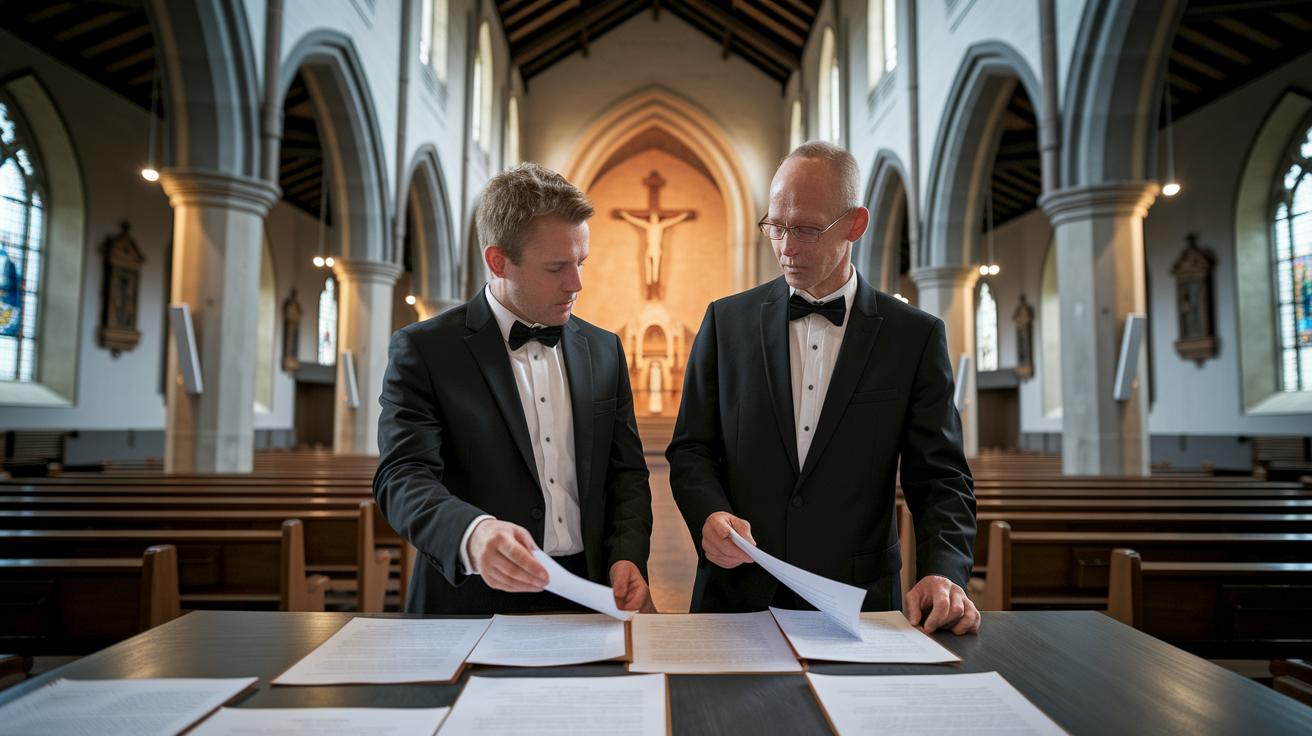
When early Christians began spreading their faith, they quickly realized that relying only on spoken traditions wasn’t enough. At first, believers followed simple customs passed down by word of mouth, but as their communities grew, clear written rules were needed to keep things orderly and united.
Take the Council of Jerusalem, for example, which met around 50 AD. This gathering marked one of the first times leaders put basic guidelines in writing, setting the stage for what would later evolve into formal canon law. These early rules helped church leaders settle disputes and define practices that everyone could follow.
| Milestone | Date | Significance |
|---|---|---|
| Council of Jerusalem | ca. 50 AD | First informal canons |
| 1917 Code | May 27, 1917 | First comprehensive codification |
| 1983 Code | November 25, 1983 | Major revision under John Paul II |
| Recent Updates | March 15, 2022 | Incorporation of papal motu proprios |
Each step in this process has made a strong mark on how the Church is run. The 1917 Code brought together many scattered traditions into one clear system, while the 1983 revision updated the rules by mixing long-held customs with new approaches to care for the faithful. More recent papal updates have further refined these rules, making them easier to understand and follow. Ever wondered how these changes shape everyday life in the Church? All these milestones show that over the centuries, canon law has grown to keep the Church both organized and caring in its mission.
Canon Law: Rich History & Legal Clarity
Canon law is set up in books to give everything a clear structure. This organization makes it easier to understand the rules and find the guidance you need. It even helps church leaders and scholars quickly locate the rules that apply to different parts of church life.
Books of the 1983 Code
• Book I – General Norms
This part explains the main ideas behind the Church’s legal system. It tells you what the rules cover and shows the overall framework for the rest of the laws.
• Book II – People of God
This section focuses on everyone in the Church. It details the rights and duties of the faithful and organizes roles so that every member knows what is expected.
• Book III – The Sacraments
This book lays out the rules for celebrating the sacred rites. It makes sure that these important religious ceremonies are performed correctly and with true meaning.
• Book IV – Temporal Goods
Here, the guidelines cover how to manage church property. It explains the steps for handling assets in a way that follows church values.
• Book V – Sanctions in the Church
This part provides clear instructions for taking disciplinary actions. It is all about making fair decisions when rules are broken.
• Book VI – Processes
This book walks you through the steps for canonical trials and other legal proceedings. It helps ensure that legal procedures in the Church are smooth and clear.
• Book VII – Supplementary Provisions
This final section adds extra rules to support the previous books. It gives additional guidance and clears up any confusion about the application of the law.
Primary Canonical Texts
Outside the main Code, important documents like Apostolic Constitutions and papal motu proprios help clear up any uncertainties. These texts update and explain canon law so that even traditional rules remain useful for today’s challenges.
In the past, the 1917 Code set the basic framework for Church law. Over time, commentaries and updates in the 1983 Code have helped refine these rules to meet modern needs in pastoral care and discipline.
Pastoral and Judicial Applications of Canon Law

Pastoral cases need clear, simple guidelines so that everyone knows what to expect. When everyday issues like marriage problems or leadership challenges come up, having easy-to-understand rules helps people know their rights and duties. It’s like following a recipe: you need clear steps to get the right result.
Marriage Validity and Annulment
Church rules about marriage help give a union its blessing while also checking if something went wrong during the commitment. Sometimes, problems like addiction or deep emotional struggles make it hard to tell if both people really agreed freely. Imagine a couple having trouble because one partner battles substance abuse; the annulment process then steps in to see if this issue hurt their free choice when they agreed to the marriage. In this process, a group called the tribunal carefully looks at documents and listens to what everyone has to say to decide if the marriage meets the church’s rules.
Other Pastoral Questions
Many other church matters follow the same clear guidelines. For example, there are rules about ordination, such as when a deacon moves quickly toward becoming a priest during a time of need, or when a local vicar takes on wedding duties. Even a rule that limits papal conclave voters to 120 helps keep church traditions running smoothly. Tribunals review everything, from written records to personal stories, to decide each case fairly. They make sure every rule is followed, all while remembering that each situation involves real people with real feelings.
This way of handling cases isn’t just about strict rules. There’s always a touch of care and mercy. Even when the process must follow clear steps, the people involved are treated with understanding and respect. Isn’t it interesting how a structured system can still be warm and caring?
Canon Law Versus Civil Law: Jurisdiction and Principles
Inside the Catholic Church, canon law handles church matters like sacraments, clergy, and even marriage annulments, while civil law covers everyday issues that affect everyone, such as contract disputes or personal injuries. Think of it like this: canon law is the rulebook for church life, and civil law is for life in the wider community.
Both sets of rules have their own space. Canon law deals only with church-related issues, and civil law is all about public order and community conduct. It's a bit like having two different game plans, each one works for its own situation.
Sometimes the two systems even overlap. For instance, a decision about church property might end up in a state court, or a church rule might clash with a civil contract. In these moments, both sides try hard to keep their boundaries clear. Officials work together, much like drivers following clear road signs, to ensure that both sets of rules are respected. This careful balance helps keep the process fair for everyone.
Education and Career Paths in Canon Law

Studying canon law lets you explore special degree programs like the JCL and JCD. These courses help you learn how to handle church legal documents and understand sacred rules (church laws). Many aspiring canon lawyers now mix online courses with their classroom work, taking advantage of modern digital tools alongside traditional teaching. The course work covers everyday topics such as church rituals, discipline, and how decisions are made in the church. For example, many colleges and seminaries offer classes that bring together theory with hands-on case studies so students are ready for real challenges in church law.
Working in canon law opens up many diverse and important career paths. Canonists, or those trained in church law, may serve as tribunal judges, diocesan chancellors, seminary professors, or legal advisors, helping to keep church operations running smoothly. They guide key decisions about church management, such as handling annulments or resolving issues within parishes. Their work makes sure that church rules are followed while still keeping a caring approach toward people. This mix of legal work and personal service shows just how much canon law touches the everyday life and spirit of the church.
Final Words
In the action, we explored the meaning and impact of canon law, how it controls church order, supports pastoral care, and preserves essential traditions. We touched on its history, structured texts, and real-life applications from marriage rules to church governance.
We also traced its ongoing evolution alongside civil law and examined pathways for careers in this field. The article ultimately shows how canon law continues to guide and inspire positive legal practices in a dynamic and ever-changing setting.
FAQ
What is canon law in simple terms?
The canon law in simple terms refers to a set of rules the Catholic Church follows to govern its operations and guide its members, much like a rulebook for maintaining order in the Church.
What are some examples of canon law?
The canon law examples include rules regulating church marriages, ordinations, property management, disciplinary measures, and safeguarding church teachings. Each example helps maintain order and fairness within the Church.
What is a canon lawyer?
A canon lawyer is a legal expert who studies church law. They interpret and apply the rules within the Catholic Church to resolve disputes and ensure that church procedures are fair and orderly.
What does the canon law of the Catholic Church encompass?
The canon law of the Catholic Church covers all legal regulations that manage church practices, structures, and community life. It provides essential guidelines that help the Church function effectively worldwide.
Where can I find canon law PDFs?
Canon law PDFs are available online, including documents like the Code of Canon Law from 1983 and related church law texts. These PDFs offer a ready reference to key legal texts for church governance.
Is a canon higher than a priest?
The term canon refers to a clergy member with special duties in a cathedral chapter, typically holding a distinct role compared to a regular priest. Their rank and responsibilities vary, depending on the church context.
What are the seven laws of the Catholic Church?
The seven laws refer to the structure of the Code of Canon Law, divided into seven books. Each book organizes different aspects of church governance, ranging from basic norms to specific pastoral and disciplinary regulations.
Is canon law still used today?
Canon law is still actively used today. It continues to guide church governance, resolve legal issues, and provide clear rules for both pastoral care and the administration of church affairs.