
Have you ever wondered if a closed courtroom can really be fair? Open court trials let everyone see the whole process and help keep any secret dealings in check. The Sixth Amendment plays a big role here by requiring courtrooms to work openly, with every detail available to the public. This transparency builds our trust in the justice system and helps ensure that officials follow the rules. In other words, standing up for public trials is all about keeping things fair and making sure our community can keep a watchful eye on the legal process.
Understanding Public Trial Rights Under the Sixth Amendment
The Sixth Amendment says that anyone on trial must have a public trial. This rule makes sure court hearings are open so everyone can see what’s happening. Judges and prosecutors must do their jobs where people can watch and understand the process.
Did you know that when trials are kept secret, witnesses might not come forward and mistakes can slip by unnoticed? It shows just how important openness is in keeping the process fair.
Public trials stop secret deals and hidden favoritism that might lead to unfair outcomes. When everyone can see the trial, the community can watch how the law is being enforced. This builds trust by showing that nothing is hidden from view, keeping officials on track and making sure every part of the trial is fair.
Every action in the courtroom is out in the open, which helps deter lying and puts witnesses at ease. In simple terms, a fair trial means a process that is clear, honest, and accountable, a cornerstone of our democracy. The Sixth Amendment is key to ensuring that justice is not only done but is also seen to be done by everyone.
Landmark Cases Shaping the Right to Public Trial
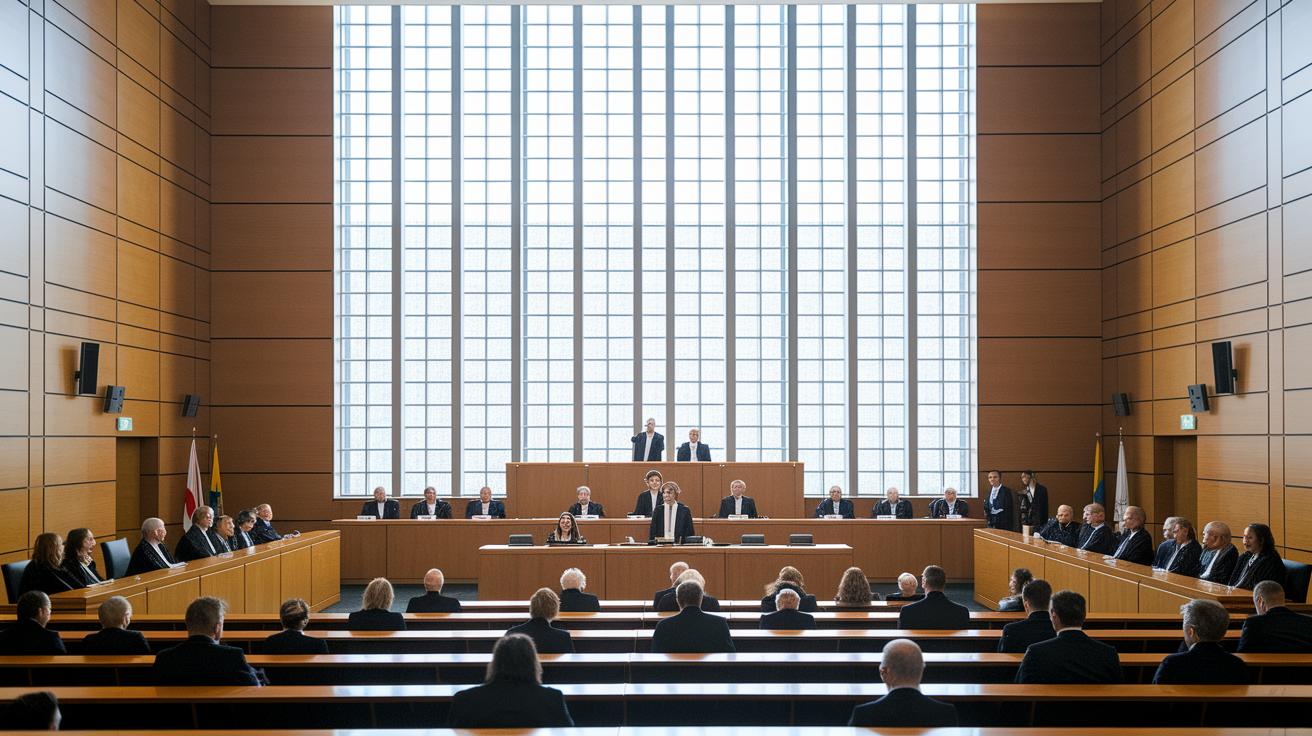
In one well-known case, Waller v. Georgia showed us just how important public trials are. The court made it clear that when trials are open to everyone, every detail is watched closely. This openness helps witnesses speak honestly and stops people from lying.
The ruling pointed out that there’s no room for secret meetings or hidden decisions in a public trial. Imagine a courtroom where every person, be it a judge, prosecutor, or witness, knows they’re being seen and heard. It makes everyone think twice before saying something untrue.
Cases like Waller have set the standard for how courts work today. Judges use these ideas to keep the process transparent and fair, so no one can hide behind closed doors. This approach shows that when the trial is open to all, fairness isn’t just promised, it’s visible to everyone.
Historical Evolution of the Right to Public Trial in the U.S.
America’s tale of public trial rights begins with English common law, where trials were held openly in court. Back then, watching the proceedings meant people could see the fairness in action, much like checking in on a neighborhood gathering.
In those early times, the law was all about being visible. Everybody could see how trials were run, which built trust and stopped any sneaky backdoor deals. It reminds me of community town meetings where everyone could join in.
As the nation grew, so did the focus on keeping trials public. The more visible the process, the less chance there was for hidden influences to cloud justice. Ever wondered how a clear, open trial might make you feel more secure?
With each step forward, lawmakers added new rules to firm up these public rights. Every update was meant to boost confidence and prevent missteps in the justice system. These changes show that fairness isn’t just an ideal, it’s a day-to-day commitment that still shapes our courts today.
International Human Rights and Public Trial Standards
Across the world, keeping trials open to everyone is seen as a key part of fair and honest justice. Many countries and international groups have set up simple rules to make sure trials are visible to the public. For example, the International Covenant on Civil and Political Rights clearly states that people on trial should have hearings that anyone can attend. This kind of rule helps build trust, making sure that nothing is hidden from view.
In many parts of the world, judges and courts insist that their work be done openly. Think of it like watching a live play where every line and move is right there on stage. Imagine a courtroom where every decision is laid out for the community to see, clear and straightforward. This open approach makes it hard for any unfair shortcuts or secret meetings to take place.
When you compare these international practices with those in the U.S., you see they share one big goal: keeping things simple and clear. Both systems put rules in place to stop hidden discussions or secret decisions. Many countries even look at ideas from around the world to strengthen their own courts, proving that open trials can really boost confidence in the justice system.
- Public trial protections make sure everyone is held accountable.
- Open trials let people follow the legal process with ease.
- Sharing ideas on a global level helps improve court systems everywhere.
Right to Public Trial: Championing Fair Justice
Modern courts today are working hard to keep things open in our digital world. They’re using smart tools like live streaming trials and keeping digital records to let everyone see what’s going on. But these new methods also bring problems. For instance, in one district, a live stream was hacked, forcing officials to reexamine how they protect digital information in real time.
Courts are also turning to technology to check witness testimonies and store trial records safely. These changes build on old ideas of fairness while dealing with fresh digital risks. Ever wondered how these shifts might affect our everyday view of justice?
| Emerging Practice | Modern Challenge |
|---|---|
| Live Streaming of Trials | Keeping data safe and making sure broadcasts are accurate |
| Digital Record Keeping | Balancing public access with protecting private details |
- Live streaming adds extra layers of technical care.
- Digital safeguards must keep evolving to protect court records without losing public trust.
These upgrades promise a clearer look at how our legal system is changing. They blend traditional ideas of fairness with new, real challenges that courts face every day.
Speedy and Public Trial Rights: Statutes and Remedies
The Federal Speedy Trial Act sets clear time limits on when a trial must begin after someone is charged. Think of it as a timer for the court, it helps keep the process moving so delays don’t make justice wait too long. Under some rules, if the trial doesn’t start in time, the case could get dismissed.
These time limits not only push things along but also make sure the public knows what is happening. When a person’s freedom is on the line, every minute matters. If the courtroom misses these deadlines, there are legal ways to fix the problem. For example, the accused might ask the court to dismiss the case or challenge the delay as an unfair violation of their rights.
In short, these speedy trial rules and the available legal remedies work together like built-in checks, keeping both prosecutors and judges on track. They help ensure that all parts of the trial are fair and open for public review.
- The Act pushes courts to act quickly.
- Legal remedies address any delays in the process.
Every moment counts. These laws are here to protect everyone’s rights and ensure that justice is both timely and transparent.
Professional Training and Resources on Public Trial Practices
A top government agency offers nearly 200 courses along with a wealth of paper and online materials on how courts work. These resources help court workers and government officials learn how to use rules that protect everyone during trials. Every year, more than 12,000 public officials join these training sessions and get advice. The courses cover lots of topics, like how to make sure trials are open to the public and fair for everyone involved.
Imagine a public official saying, "After taking the online course, I now see how clear rules in our courtrooms make a real difference day by day." This kind of feedback shows that learning can connect legal ideas with real-life court work.
The agency also runs a special library filled with materials on public administration, summaries of legal cases (which are short explanations of legal decisions), and updates on new laws. Faculty coordinators, including a well-known professor who studies Public Law and Government, add thoughtful insights on a regular basis. Their work keeps the training courses up-to-date, especially as new issues and changing rules about public trials come up.
| Key Benefits | What You Get |
|---|---|
| Practical course insights | Clear steps to ensure fair and open trials |
| Research tools | Up-to-date knowledge on how courts are run |
Final Words
In the action, we explored the development and core concepts of the right to public trial. We traced its roots from early common law to landmark cases and international examples. Each section shed light on how public trials promote fairness and accountability. We also reviewed statutes that protect speedy trial rights while discussing training resources available to legal professionals. This discussion reminds us of the vital role transparency plays in our justice system. It leaves us feeling positive about the continued commitment to a clear and open legal process.
FAQ
What does the right to know the witnesses against oneself mean?
The right to know the witnesses means a defendant can learn who may testify, allowing them to prepare a defense and cross-examine witnesses for a fair trial.
What does the Sixth Amendment say about public trials and trial rights?
The Sixth Amendment guarantees a public trial, ensuring that proceedings remain open and transparent, and that defendants have legal counsel and an impartial jury to promote fairness.
What does the Seventh Amendment cover in trial rights?
The Seventh Amendment secures the right to a jury trial in civil cases, safeguarding traditional dispute resolution and peer participation in the justice process.
How does the Bill of Rights safeguard trial procedures?
The Bill of Rights includes several protections for trial procedures, ensuring fairness by mandating open courtroom processes and preventing secret or biased legal actions.
How does an impartial jury support a fair trial?
An impartial jury contributes to a fair trial by basing decisions solely on the evidence presented, free from external influences, which upholds the integrity of the judicial process.
Can you provide a public trial example?
A public trial example is a criminal case heard in open court, where evidence and witness testimony are accessible to the community, promoting transparency and accountability.
What do the Fifth and Sixth Amendments protect in trial rights?
The Fifth Amendment protects against self-incrimination and double jeopardy, while the Sixth Amendment ensures a speedy, public trial with legal counsel and an unbiased jury.
What does having the right to a speedy and public trial mean?
Having that right means a case must be resolved quickly and openly, preventing long detentions and hidden proceedings, which helps maintain public trust in the justice system.
Which US Supreme Court case established that criminal trials should be open to the public?
The Supreme Court case Waller v. Georgia affirmed that criminal trials should be conducted in open court, reinforcing the principle of transparency and fairness in judicial proceedings.