

Do you wonder if abortion is legal in Ohio? It is legal, but some of the rules might catch you off guard. Right now, people can get an abortion up to almost 22 weeks into their pregnancy. A recent court order has paused the rule that required a waiting period, and another decision has stopped a ban related to detecting a fetal heartbeat. In simple terms, these changes mean that those seeking care might now have a more straightforward path to getting the help they need. Let’s take a closer look at these decisions and see how they might affect you and your community.
Current Legal Status of Abortion in Ohio
Abortion is legal in Ohio, and care is available up to about 21 weeks and 6 days into a pregnancy. A recent court order from August 23, 2024, has paused a rule that forced a 24-hour waiting period. This step means people can get the care they need without long delays, when the service is offered.
Ohio judges have also stepped in with another ruling. A restraining order now stops the ban on abortions once a fetal heartbeat is detected. In plain terms, even after doctors hear that heartbeat, many people can still choose to have an abortion under the current guidelines.
Key points include:
- Gestational age cutoff at 21 weeks and 6 days
- A court order stops the 24-hour waiting period
- A restraining order blocks a fetal heartbeat ban
- Exceptions are made when the pregnant person's life or health is in danger
- Clinics offering these services are available across the state
Clinics in major cities like Cleveland, Columbus, Cincinnati, Toledo, and Dayton follow these state guidelines. Some court decisions ensure that delays like waiting periods do not get in the way of necessary care. When a person’s life or health is at risk, help is available quickly. These legal protections show a commitment to keeping reproductive care accessible across Ohio.
Historic Changes to Ohio’s Abortion Laws

Ohio's abortion laws have been on a wild ride lately. In 2019, the state tried to put in place a rule known as SB 23, or the "heartbeat bill." The idea was to stop abortions once a fetal heartbeat could be detected. But a judge in Franklin County stepped in and blocked the law, sparking heated debates among lawmakers and citizens alike. For instance, supporters said the rule would safeguard unborn life, while critics believed it cut too deep into personal healthcare choices.
Then came the game-changing Dobbs v. Jackson decision in June 2022, which stirred up abortion debates across the nation. Later that same year, in November 2022, Ohio voters rejected a near-total ban on abortion by voting against Issue 1. This vote clearly showed how split opinions on reproductive rights can be and highlighted the power of ballot measures in shaping healthcare rules. Even now, legal battles are stretching into 2025, showing just how deep the political rifts run in Ohio's approach to reproductive health.
Looking back over the past five years, both court rulings and voter decisions have played major roles in steering Ohio's abortion laws. Each step in this evolving legal journey reminds us that big shifts often come from a mix of judicial oversight and direct public input.
Key Restrictions in Ohio Abortion Regulations
In Ohio, the law sets out clear rules that affect how people can get an abortion. The rules include a waiting period, a time when you must pause before getting care, required counseling using a state-approved script, and limits once a fetal heartbeat is detected, which usually happens around six weeks. The law also limits abortion at 21 weeks and 6 days, though this rule is now being challenged in court.
Recent court decisions have made some changes. For example, the 24-hour waiting period and the heartbeat ban are not being enforced right now at many clinics. This means many clinics allow same-day procedures, giving people more options when seeking care. Even though some restrictions still apply, these temporary changes show that Ohio’s rules might shift further as legal debates continue.
| Restriction | Enacted | Current Status | Notes |
|---|---|---|---|
| Waiting period | 2014 | Injunction (8/23/2024) | Same-day procedures allowed in many clinics |
| Cardiac activity ban | 2019 | Restraining order | Starts around 6 weeks |
| Mandatory counseling | 2017 | In effect | Uses a state-approved script |
| Gestational cutoff | Ongoing | 21 weeks 6 days | Currently being challenged |
These details show that Ohio’s abortion laws are always in a state of change with ongoing court cases. While many rules are still on the books, some have been paused, giving relief to people seeking care. For anyone involved in reproductive healthcare, staying alert to these changes is key. It’s a reminder that while current guidelines exist, the final say might change as legal debates go on.
Availability and Locations of Abortion Services in Ohio

Across Ohio, many clinics offer abortion care with flexible scheduling to fit different needs. For example, Planned Parenthood Surgery Center in Bedford Heights, Your Choice Healthcare in Columbus, and Women’s Med Center in Dayton all help people get care quickly. In Toledo and Cincinnati, there are more clinics available. If you are in Cincinnati, just dial 513-287-6488 to learn more about your options. Many of these places even provide help with costs and transportation, making it easier to get the service you need.
You might see clinic details listed like this:
| Clinic Name & City | Contact Number | Gestational Limit | Financial Support Options | Online Scheduling |
|---|
Each clinic adjusts its services to meet the needs of its community while following state rules. This network of providers means that people in many areas of Ohio can get the care they need without too much hassle.
Exceptions and Medical Criteria Under Ohio Law
Ohio law allows abortion if a pregnant person’s life or physical health is at risk. In simple terms, if carrying the pregnancy could seriously harm them, doctors are allowed to help. Imagine a situation like an ectopic pregnancy, where the embryo grows outside the uterus, this can be very dangerous. In these cases, doctors act quickly so that proper care is given without delay. The main idea is to protect the health and well-being of the person who is pregnant.
The law in Ohio does not offer a general exception for situations like rape or incest unless the person’s life or health is in danger. In other words, only emergencies that pose an immediate risk allow for an abortion. This strict rule means that when a doctor sees a clear risk to a patient’s physical health, they can act fast to provide the necessary care. The focus is always on ensuring that urgent, life-saving treatment is available when needed.
Legal Challenges and Future Outlook for Ohio Abortion Law
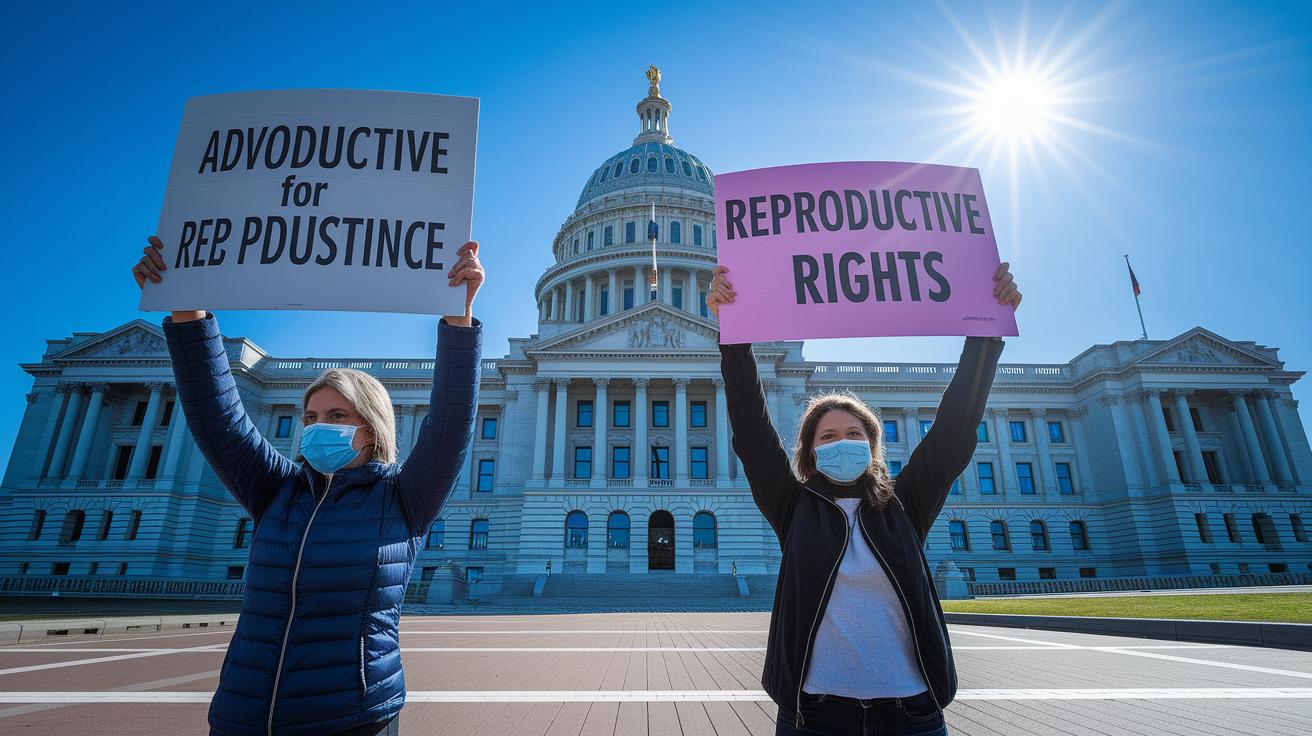
There are several lawsuits rolling into 2025 that challenge Ohio's waiting period and heartbeat rules. Some judges have stepped in to pause parts of these rules, meaning people can sometimes get care without a long delay. It’s like a legal tug-of-war that leaves doctors and patients unsure about what to expect.
The state lawmakers are also considering new rules that might change how clinics work and who can access an abortion. Meanwhile, local groups are organizing protests, public meetings, and initiatives to keep the discussion about reproductive rights alive. Everyone, from lawmakers to everyday citizens, is playing a part in shaping what could soon be major changes.
Court decisions, proposed laws, and community efforts all point to a shifting future for abortion access in Ohio. Ever wondered how these legal moves might impact the way we get healthcare every day?
Final Words
In the action, this article has given a clear look at Ohio’s abortion laws. We covered recent legal status, historic changes, key restrictions, clinic locations, and the exceptions and criteria guiding practice. Each section helped paint a real picture, from gestational cutoffs and court orders to service accessibility and future challenges. Many now ask: are abortions legal in ohio given all these factors? The landscape is complex, yet staying informed brings clarity and optimism for progress ahead.
FAQ
Are abortions legal in Ohio?
Abortion in Ohio is legal. Services are available up to 21 weeks and 6 days, with court orders currently pausing restrictions like the waiting period and the heartbeat ban.
What is the gestational limit for abortion in Ohio?
The gestational limit in Ohio is set at 21 weeks and 6 days, which means that abortion providers typically offer services only until that point in a pregnancy.
Is abortion legal in Kentucky?
Abortion in Kentucky is legal, though it comes with restrictions that may limit access. Individuals should confirm the current rules with local healthcare providers.
Is abortion legal in Indiana?
Abortion in Indiana remains legal, but state-specific requirements—including gestational limits and procedural rules—may affect the availability of services.
In what states is abortion illegal now?
Some states have introduced bans or strict limits on abortion, but many still allow it. Laws differ widely, so checking the latest state regulations is advised.