

Have you ever thought about how a tool meant to throw someone off balance could end up being seen as a dangerous, heavy weapon? Federal law tightly controls legal flashbangs. This means anyone who wants to use one needs to go through a background check, get a tax stamp (a proof-of-payment signal), and register it carefully.
In this post, we take a close look at the smart rules that keep these tools safe. These guidelines aren’t just for show; they help protect people in real life if a device is used the wrong way. Only trained experts are allowed to handle them, ensuring that safety is always a top priority.
Legal Flashbangs: Smart & Safe Rules
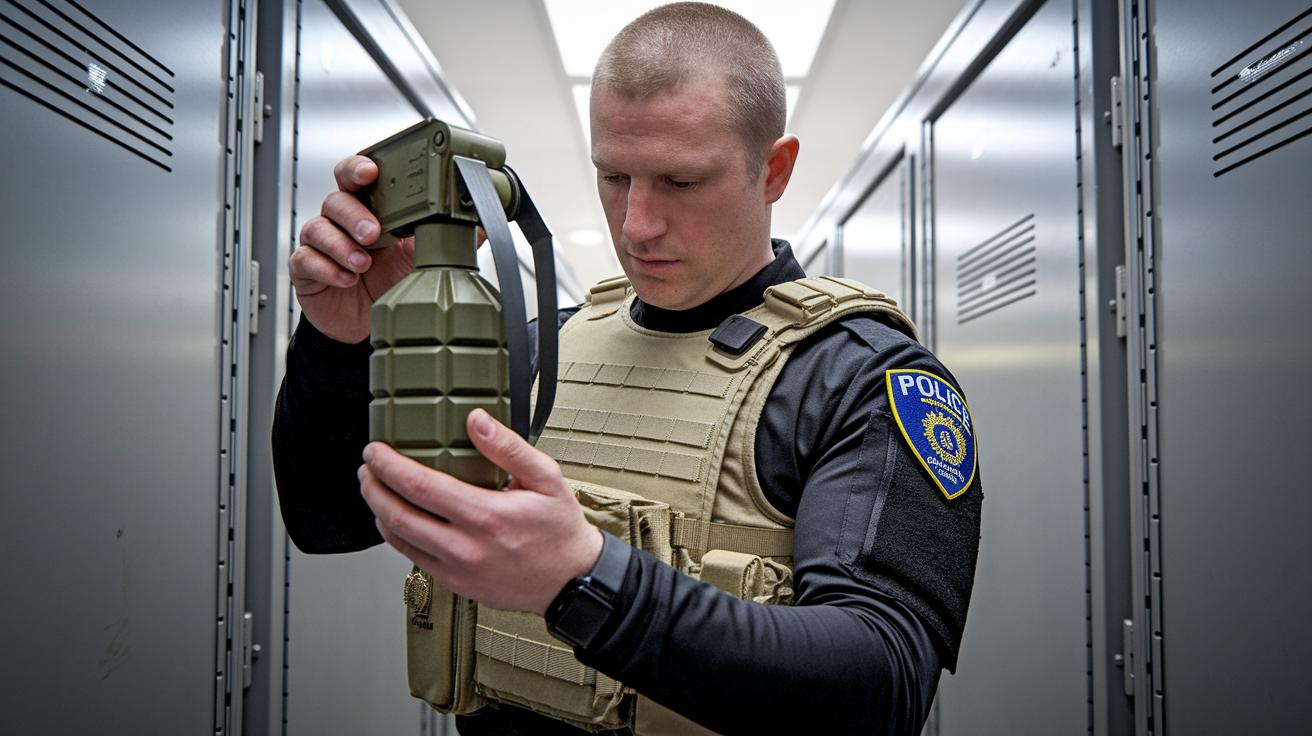
Federal law says that flashbangs, or stun grenades, are treated as destructive devices under section 18 U.S.C. 921(a)(4). This simply means they're managed with the same care as major weapons, even if they're made to disorient rather than seriously hurt. Imagine needing a special pass to get an item that, legally speaking, is like any other high-risk tool. They’re handled carefully because of the chance they could go off.
The ATF, which is the agency that keeps dangerous items in check, requires strict background checks for anyone wanting to use flashbangs. You’ll need to provide a tax stamp, register each device, and even offer up your fingerprints and photo ID, along with clear details about how you plan to use them. For example, a police department must show it has proper credentials and a real training need to add these tools to its kit. This process makes sure only the right professionals get access.
For regular civilians, getting a flashbang is nearly impossible. Safety worries and tight licensing rules keep them off the general market. While some might be curious about nonlethal devices, the firm legal and regulatory rules mean these items are reserved for approved law enforcement or military use.
Regulatory Landscape for Legal Flashbangs Across Key Jurisdictions

Rules for legal flashbangs can differ a lot depending on where you are. Each area sets its own clear guidelines to make sure only trained professionals use these devices safely. For example, in Canada, flashbangs fall under the Explosives Act, which means local law enforcement must give permission before they can be used. In the U.K., these devices are seen as banned weapons, so only police and military teams are allowed to deploy them. And in states like Florida and Texas, while federal guidelines hold true, extra state permits are often needed for law enforcement training and operational use. California takes it one step further by requiring a local government's okay as well as clearance from the state Department of Justice.
| Jurisdiction | Classification | Permissible Use | Licensing Notes |
|---|---|---|---|
| U.S. Federal | Destructive Device | Law enforcement and approved tactical training | Requires ATF approval, tax stamp, and background check |
| Canada | Explosives Act Controlled | Used by law enforcement | Provincial policing approval required |
| U.K. | Prohibited Weapon | Police and military use only | Strict regulation under Firearms Act 1968 |
| Florida | Destructive Device (by law) | Law enforcement training applications | State-level permit required |
| Texas | Destructive Device (aligned with federal law) | Operational use in law enforcement scenarios | Additional state permit mandated |
| California | State Controlled Device | Limited to law enforcement | Municipal consent and state DOJ clearance required |
In every case, strict rules ensure that only those professionals who pass careful background checks get access to flashbangs. This means that before anyone uses such a device, they need to be sure they follow local guidelines perfectly. These measures are in place because flashbangs are meant only for controlled situations where a quick disruption can make a big difference. Understanding these rules can help clear up the process, making sure safety always comes first, no matter the region.
Licensing and Procurement Process for Authorized Flashbang Devices

To begin the process of acquiring a flashbang device, you need to apply for a Type 57 Federal explosives license or the similar license offered by your state. You'll be required to provide fingerprints, a photo ID, and a clear explanation of how you plan to use the device, like outlining a controlled training drill or simulation. Think of it as a training officer laying out a safe, step-by-step plan to ensure every rule is followed.
States often have their own extra requirements in addition to federal rules. In some places, you might need extra background checks or additional permits before your authorization is fully approved. For example, law enforcement groups may have to show that the device is essential for their training exercises. These additional steps help local officials feel confident that the device will be managed with care.
The whole review process usually takes about 90 to 120 days at the federal level, with any extra state permits potentially adding another 30 to 60 days. If you’re curious about the latest federal changes regarding flashbang devices, check out the regulatory updates on RecentLegalNews.com?p=2925. This set timeline makes sure every step of procurement is handled safely and properly, building trust for everyone involved.
Approved Flashbang Models and Vendor Compliance Standards

Top manufacturers have made several models to meet training needs and special setups. For example, the CTS 4090 Series 40 MM Aerial Flash Bang comes with an inert shell that works both for training drills and live-fire exercises. Some versions, like the CTS 201SB and CTS 9500 Sting-Ball Kits, even include reload fuzes and inert bodies so teams can practice safely and keep their skills sharp. And there are other items, such as the Pyro 92 Series's CTS 6214 Thermite Incendiary Grenade and CTS 9230 CS Jet-Lite, that are built for unique tactical scenarios. These devices can serve as trusted blinding detonators, approved tactical dazzlers, or even as officially regulated shock cartridges during practice drills, giving users the flexibility to choose what fits their training best.
Vendors must stick to strict guidelines to ensure these devices are delivered safely. They need to handle shipping following DOT rules, include full Material Safety Data Sheets, and provide solid proof of ATF or RCMP certification. Buyers also get helpful tips on safely acquiring blast lights from vendors who follow both federal and local safety rules. This careful process of documentation and certification helps law enforcement and training groups trust that their equipment is secure, well-managed, and ready for controlled use.
Safety Protocols and Authorized Operational Scenarios for Legal Flashbangs

Police raids and SWAT training often make use of flashbangs, which are nonlethal tools that temporarily disorient people. Picture a tactical team entering a building: a well-timed flash creates confusion, giving the team those vital extra seconds to secure a room. Military drills use similar methods, running controlled exercises that mimic real combat without risking serious injury.
In many military simulations and crowd-control practices, flashbangs are used under strict conditions. A safety rule requires everyone to stay at least 5 meters away from the blast. Only trained operators handle the devices, and they mark clear zones to protect others, even if something goes wrong. For example, before starting a drill, teams set a perimeter so that even a misfire won’t cause harm.
There are tight safety measures in place for these approved operations. Operators always wear hearing protection, and they check the area carefully after each explosion to make sure nothing is amiss. Data shows that when these safety steps are followed, less than 0.1% of incidents result in minor injuries like small burns or slight hearing changes. Regular reviews of safety materials help keep these practices up to date, ensuring every drill and operation stays as secure and controlled as possible.
Key Legal Considerations and Disclaimers for Civilian and Law Enforcement Use

Agencies and private groups need to use clear waivers when planning state-backed training and any events where civilians are involved. When planning drills or public shows that include flashbangs, it's important to have strong legal warnings and follow local rules. For example, training must include straightforward safety warnings and legal checks to help cut risks and stick to local safety standards.
Sometimes, courts don’t agree on what counts as harmless munitions. This means that even a carefully planned event might run into legal surprises. So, always double-check the laws in your area and look up definitions from trusted sources (like the one at https://humane.net?p=6640). This helps clear up any confusion around the rules and lowers the risk when flashbangs are part of an event.
There are also civil liberties concerns when flashbangs are used during protests or demonstrations. In some cases, judges have asked that the events be recorded on video to protect everyone involved against future disputes. By keeping thorough safety checks and clear legal disclaimers, both law enforcement and community groups can meet local rules while balancing public safety with individual rights.
Final Words
In the action, this article took you through federal and international rules that classify and control legal flashbangs. It explained strict licensing steps and detailed the safety measures needed for approved devices. We compared vendor standards, outlined operational scenarios, and highlighted key legal disclaimers in clear terms. This careful look gives you a firmer grasp on legal flashbangs and encourages smarter legal choices. The discussion ends on an optimistic note, empowering you to move forward with confidence and clarity.
FAQ
What happens if you get flashed by a flashbang?
Getting flashed by a flashbang can cause temporary disorientation, blurred vision, and a ringing in your ears due to the intense burst of light and sound. It is designed to stop attackers in their tracks.
Can you legally own flashbangs?
Legally owning flashbangs is heavily controlled under U.S. law. They are classified as destructive devices, requiring a federal explosives license along with registration, background checks, and a tax stamp before any possession.
Where do you buy flash grenades in Torn?
Purchasing flash grenades in Torn, if referring to a specific game or unauthorized source, is not recommended. Legitimate flashbangs are available only to certified law enforcement and military channels under strict regulations.
What is the alternative to flashbangs?
Alternatives to flashbangs include approved nonlethal disorienters and concussion devices that serve similar purposes. These alternatives adhere to federal and state regulations ensuring safe and controlled use in authorized operations.