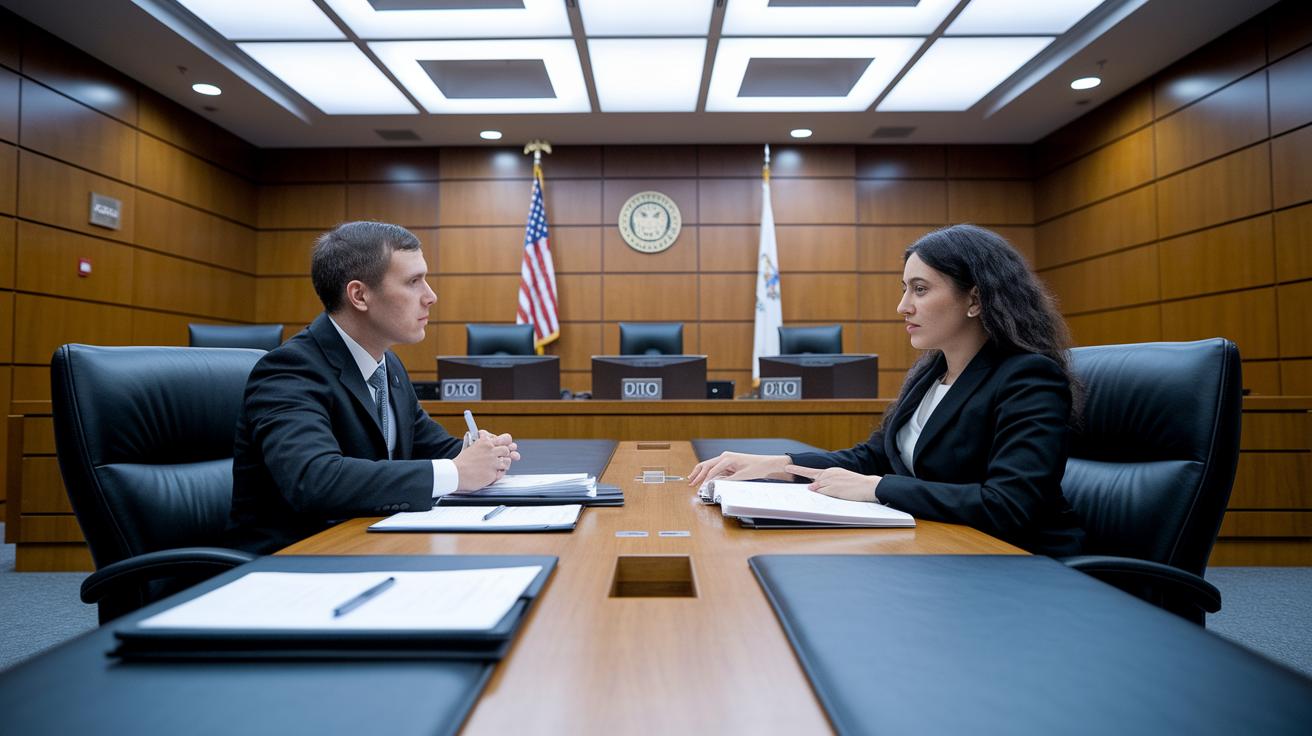

Ever wondered how one trial can change an entire community? The Schurr case is sparking a lively debate about when it’s okay to defend yourself and use deadly force (that means using extreme measures to protect your life). Picture a courtroom scene as dramatic as any blockbuster movie. This trial has us asking tough questions about fairness and who should be held responsible. It challenges our long-held ideas and makes us rethink what real protection means in everyday life.
Background and Overview of the Schurr Trial
Officer Christopher Schurr has become the focus of a high-profile legal case involving the death of Patrick Lyoya. The case grabbed everyone's attention as it dealt with the difficult issue of when an officer can use deadly force. Under Michigan law, an officer is allowed to use such force only if they genuinely believe their life is in danger. The courtroom drama, with its intense moments and detailed evidence, sent ripples through the community, sparking thoughtful debate.
During the trial, the jurors just couldn’t find common ground. They ended up stuck, which led to a hung jury. As a result, the judge declared a mistrial. People all over the area followed the trial closely, and many even took to the streets in protest once the mistrial was announced. Imagine watching a live drama where every word feels like it carries weight, that was the real-life scene unfolding in the courtroom.
When you look back at the trial, the heart of the legal debate centered on whether Schurr’s actions really met the self-defense law. In simple terms, self-defense means using force because you truly believe you are in imminent danger. Witness statements, body-camera footage, and other key pieces of evidence were all carefully examined. Community members even turned to online resources, like the mi court case search page, to learn more. For many legal experts, this trial wasn’t just about courtroom procedures, it was a story that affected real lives and made everyone ask important questions about fairness and public safety.
Timeline of Key Events in the Schurr Trial
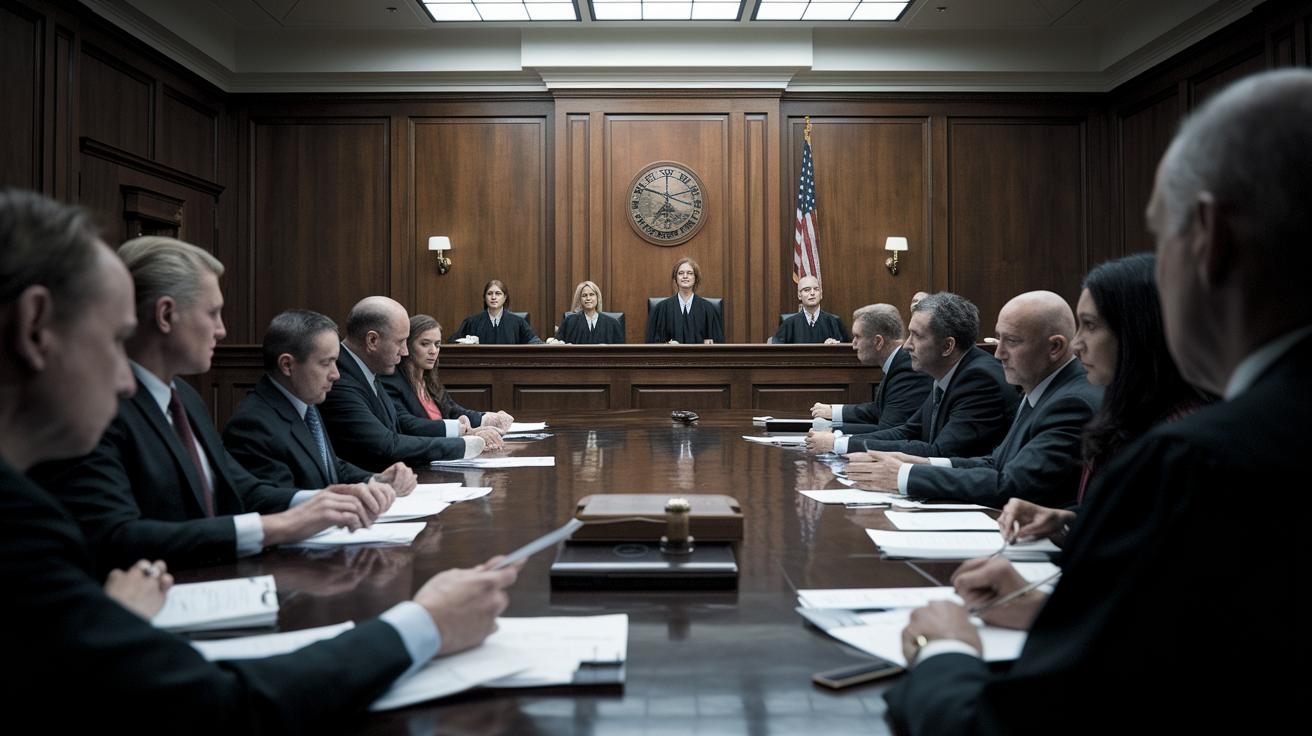
In early 2025, the courtroom buzzed with energy as a case unfolded that quickly grabbed everyone’s attention. The trial ended without a clear verdict, leaving many questions behind after several long and intense sessions. With the jurors unable to reach a consensus, everyone wondered what the next move would be.
- Early 2025: The trial wrapped up with jurors stuck in deadlock, which meant there was no clear decision, and further steps were needed.
- May 26, 2025 at 8:00 AM: In a surprising twist, prosecutors announced they wouldn’t try Christopher Schurr again over the death of Patrick Lyoya. This unexpected decision suddenly halted all official legal actions.
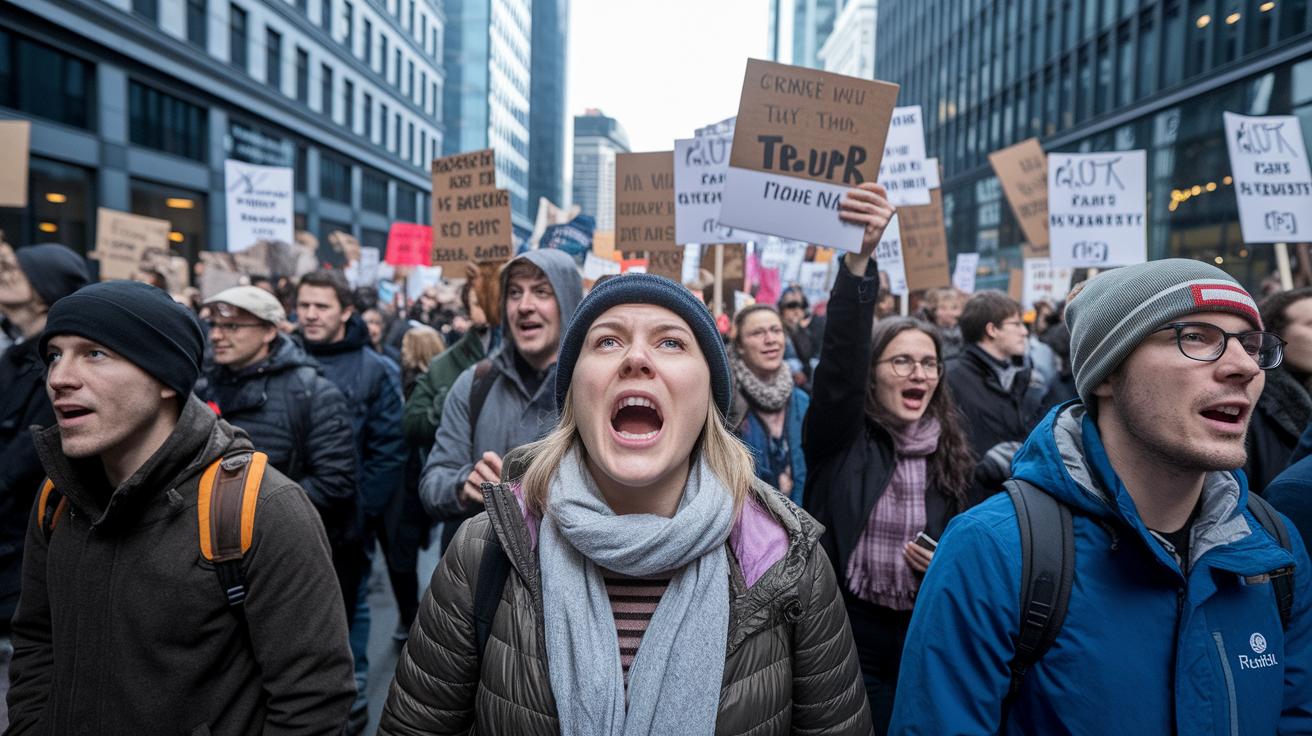
- After the Announcement: Many community members, who had been closely watching the trial, took to the streets in protest as feelings ran high. Their reactions showed just how much the case mattered to the public.
- Later Projections: One well-known law professor mentioned that there might be a retrial by the end of the year, adding extra suspense and speculation to the legal chatter.
Each of these moments built on the last, creating a story that continues to spark debate about police conduct and accountability.
Key Legal Arguments in the Schurr Trial
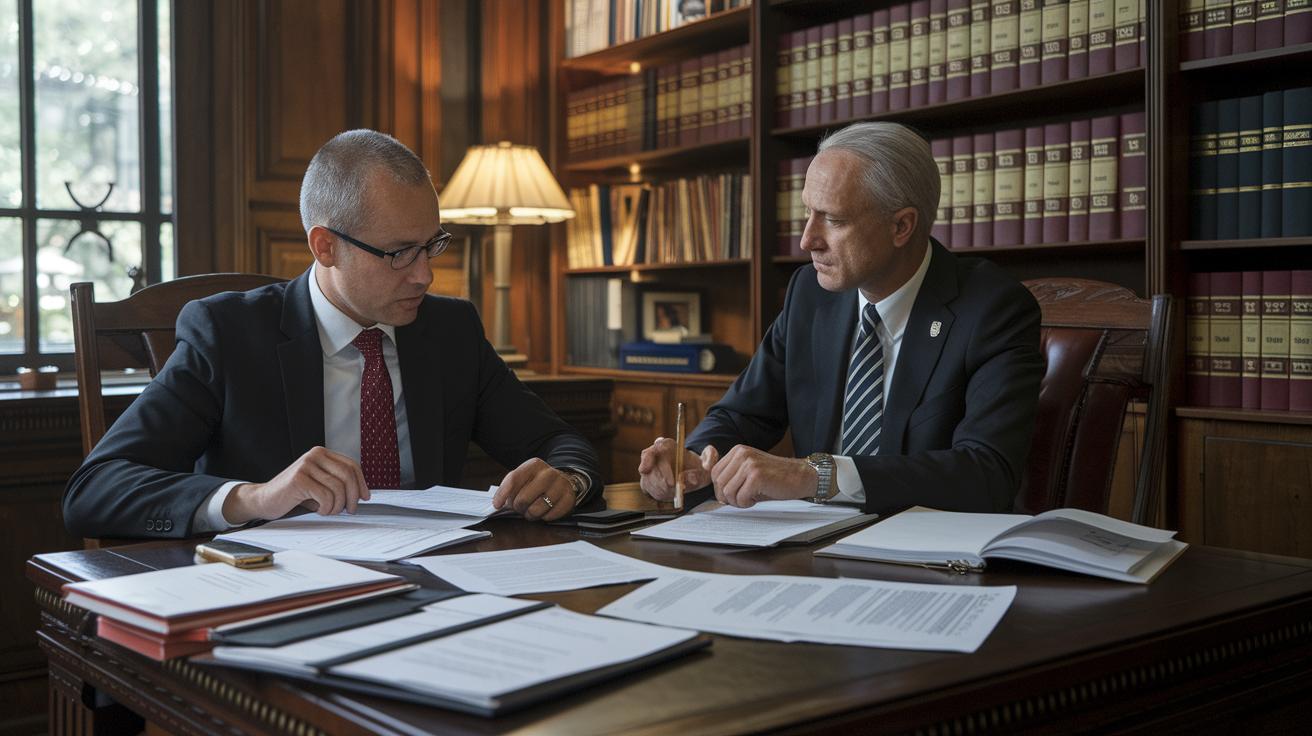
Prosecutors said that Schurr didn't really see an immediate threat when he chose to use deadly force. They argued his actions fell short of Michigan’s rule, which says an officer must honestly and reasonably feel their life is at risk. Think of it like this: imagine you have just a split second to decide if you're under attack, you might react quickly, but what if things aren’t as clear as they seem? They pointed to witness comments and body-cam video to show that during the chaos, Schurr’s view was probably jumbled.
The defense, however, held that Schurr acted correctly in that split-second moment for his own protection. They explained that his fast decision was based on what he immediately saw, which matches the state's guidelines for using deadly force. Picture yourself in a situation where every millisecond counts and you have to trust your eyes to guide you, that’s how they described it. They also leaned on witness statements and recorded footage, arguing that his response was fair and square according to the law.
Many onlookers are following the trial closely. They insist that we judge the case by clear and solid evidence, sticking to accepted legal rules instead of personal opinions or biases. They caution against letting feelings or outside views cloud the step-by-step analysis each side has given. This clash over rules and what the evidence really means is at the heart of the trial, sparking bigger discussions about what law enforcement officers can and should do.
Courtroom Dynamics and Jury Outcome in the Schurr Trial
FOX 17's live broadcasts pulled viewers right into the courtroom as events unfolded. Every update helped shape how people felt about the trial and kept the community in the loop.
In the end, the jury couldn’t come to an agreement, which led the judge to declare a mistrial. This result stirred up strong opinions about officer accountability and whether the legal steps were fair. The ongoing live coverage made people really think about how clear and honest these big legal cases are.
The real-time reports didn’t just capture courtroom drama. They also sparked a lot of debate about how reliable jury decisions really are, showing just how much impact the media can have on our view of justice.
Prosecutor’s Final Decision in the Schurr Trial
Prosecutors have ended the case and decided not to go for another trial. This outcome now gives legal experts a chance to look at how careful transcript reviews and everyday voices play a part in big, high-profile trials.
Local legal experts say this decision might change how cases with a lot of public interest are handled. One expert noted that the detailed review in this case sets a solid example for what future trials might need to do. Balancing a careful legal review with what the public feels is truly a tough job.
Community members are now talking about what this decision might mean over the long haul. Some local leaders believe it marks a turning point towards more openness in our court system. Others worry that by closing the case, some calls for more accountability might go unanswered.
Many experts also see a ripple effect throughout the legal world. They think this result could shape how similar cases are managed later, especially when it comes to mixing community concerns into the final legal decisions.
Expert and Scholarly Commentary on the Schurr Trial
A well-regarded law professor mentioned that a retrial could happen by the end of the year. They pointed out that the case still brings up tough legal questions. This situation isn’t just about one event; it also makes us rethink how self-defense laws are understood in broader terms.
Legal scholars say that holding people accountable and following due process is key to keeping public trust in law enforcement. They compare the rules used in this case with those in other high-profile incidents involving officer-involved shootings. One expert put it simply: when judges focus on facts and written guidelines instead of personal details, the process gains trust. Imagine a sports referee who sticks to the game rules rather than letting personal feelings get in the way.
Experts in criminology also add their insights by comparing this case to past events. They note that similar incidents often shape how communities view fairness and how the media portrays events. One criminologist remarked, "Looking at past shootings shows that the issue goes beyond the moment police take action, it’s about the community’s deep-seated expectations of fairness." This observation strikes a chord with many who believe that trials should rely on strict legal standards and a thorough review of evidence.
In the end, both lawyers and scholars agree: the Schurr Trial is a modern example of the challenges facing law enforcement today. It has sparked ongoing debates among academics and the public about the best ways to keep our legal system fair and trustworthy.
Public Reaction and Future Outlook of the Schurr Trial
People are still talking about the trial. Protests and lively debates on social media show that folks are upset after the mistrial and the choice not to bring Christopher Schurr back for trial. Many are taking to the streets and posting online. One local observer said it felt like the whole neighborhood was speaking up, each person adding
Final Words
In the action, the article guided readers through the background and key events surrounding the schurr trial, addressing the legal arguments, courtroom atmosphere, and expert views. It broke down complex details into clear steps that anyone can follow. We saw how the trial, despite a hung jury, sparked meaningful community discussion and legal debate. Each section offered insights into how the decision-making process unfolds in high-profile cases. There’s hope that ongoing dialogue leads to positive changes in law and policy.
FAQ
Schurr trial update
The update on the trial explains that the case reached a deadlock in the jury, with intensive live coverage and community reactions influencing public opinion.
Schurr trial live
The live broadcasts allowed the public to follow the trial proceedings as they unfolded, giving viewers real-time insight into the courtroom events and discussions.
Schurr trial date
The trial took place in early 2025, and key moments, including the announcement on May 26, 2025, helped shape its timeline and public impact.
Schurr trial verdict
The trial did not produce a definitive verdict as the jury remained divided, resulting in a hung jury and a mistrial announcement by the prosecutor.
Schurr trial today
The trial today is marked by the mistrial declaration, with no retrial scheduled according to the prosecutor’s final decision after reviewing the case details.
What did Christopher Schurr do?
Christopher Schurr was the officer involved in the incident leading to Patrick Lyoya’s death, which subsequently prompted a high-profile trial examining his split-second decision.
What was the most famous trial ever?
Many view the Schurr trial as one of the most notable cases in recent times, as its coverage and public response spurred widespread discussion on police accountability and legal standards.
Is Schurr going to be retried?
The current decision, announced by prosecutors, is not to retry Schurr, though legal experts have noted that further legal actions could be considered in the future.
Was there a verdict in the Reed trial?
The Reed trial is a separate case, and no definitive verdict has been reached there; interested readers can check official court records for the latest updates.