
Ever wonder if a courtroom can change the fate of a whole nation? In Pretoria at the Palace of Justice, a big old court building, the Rivonia Trials exposed a system that kept people apart. In a tense courtroom battle, ten leaders from the ANC, which stands for the African National Congress, took a stand against a government that called them traitors. Their brave fight sparked a worldwide conversation and still lights a fire for justice and equal rights today. This trial remains a strong reminder of the ongoing struggle for freedom.
Early Overview of the Rivonia Trials
During the Rivonia Trials, which ran from November 26, 1963 to June 12, 1964 at the Palace of Justice in Pretoria, a pivotal battle against apartheid unfolded. Ten important leaders from the ANC were charged with 221 counts of sabotage, with evidence pointing to a planned armed struggle to topple a segregated society. The courtroom witnessed a stark clash between harsh political repression and undeniable courage, a moment that captured global attention.
In heated courtroom exchanges, every defendant was handed a life sentence, and most were later sent to Robben Island. This trial became more than a legal case; it stood as a symbol of defiance that sparked worldwide debate and inspired a movement for equality. Its impact reshaped how legal systems approach political dissent, leaving a mark that continues to influence modern justice.
| Key Information | Details |
|---|---|
| Trial Dates | November 26, 1963 to June 12, 1964 |
| Venue | Palace of Justice in Pretoria, South Africa |
| Charged Leaders | 10 ANC leaders facing 221 counts of sabotage |
| Sentences | Life sentences; most transferred to Robben Island |
Historical Context Behind the Rivonia Trials
In 1948, the National Party started Apartheid, a system where the government split people by race and controlled nearly every part of life. The rules were strict and left little room for fairness. This harsh setup created deep divisions, as white and non-white communities were given very different opportunities and rights, a memory that still influences South Africa today.
The Sharpeville massacre in 1960 changed everything. When innocent people were harmed, anger grew among those who suffered under the system. Many in the ANC felt that peaceful protests were no longer enough, and this led them to choose armed resistance. In fact, just a year later in 1961, they formed Umkhonto we Sizwe, a group committed to fighting against racial injustice. Ever wondered how one painful event can shift an entire movement's approach?
Then, in October 1963, a raid at Liliesleaf Farm resulted in the arrest of key ANC leaders. This event disrupted hidden networks and set off a chain reaction that ended in the Rivonia Trials. These trials revealed the deep resolve of a community that refused to accept unfair treatment, marking a key moment in South Africa’s long fight for freedom and equality.
Rivonia Trials: Inspiring Legacy of Freedom
After years of living under an oppressive regime, the Rivonia Trials brought forward a group of brave individuals whose actions still spark hope in freedom lovers around the globe. Each person involved played a crucial role in standing against racial injustice, showing us what true courage means.
Take Nelson Mandela, for example. He wasn’t just the ANC’s deputy president and a co-founder of a guerrilla group called Umkhonto we Sizwe, his unwavering resistance set a powerful example of courage. And then there’s Walter Sisulu, who served as the ANC secretary-general. His smart tactics and steady commitment carved out a path for change even during the roughest times.
Leaders like Govan Mbeki, also a founder of Umkhonto we Sizwe, proved that even under severe repression, the spirit for liberation can’t be silenced. Ahmed Kathrada, a devoted member of the ANC organizing cell, not only rallied support but also made deep personal sacrifices, underscoring the strength of working together. And let’s not forget Denis Goldberg, a white engineer involved in sabotage operations, who broke down barriers to show that the fight against apartheid was a united battle beyond race.
Raymond Mhlaba lent his strong spirit to galvanize the movement, leaving an inspiring mark that continues to guide future generations. Their stories aren’t just echoes from the past; they remind us every day about hope, shared strength, and the relentless pursuit of justice.
| Name | Role | Sentence |
|---|---|---|
| Nelson Mandela | ANC deputy president, co-founder of Umkhonto we Sizwe | Life sentence |
| Walter Sisulu | ANC secretary-general, key strategist | Life sentence |
| Govan Mbeki | Umkhonto we Sizwe founder | Life sentence |
| Ahmed Kathrada | ANC organizing cell member | Life sentence |
| Denis Goldberg | White engineer in sabotage operations | Life sentence |
| Raymond Mhlaba | Key operative in the movement | Life sentence |
Proceedings of the Rivonia Trials in Pretoria
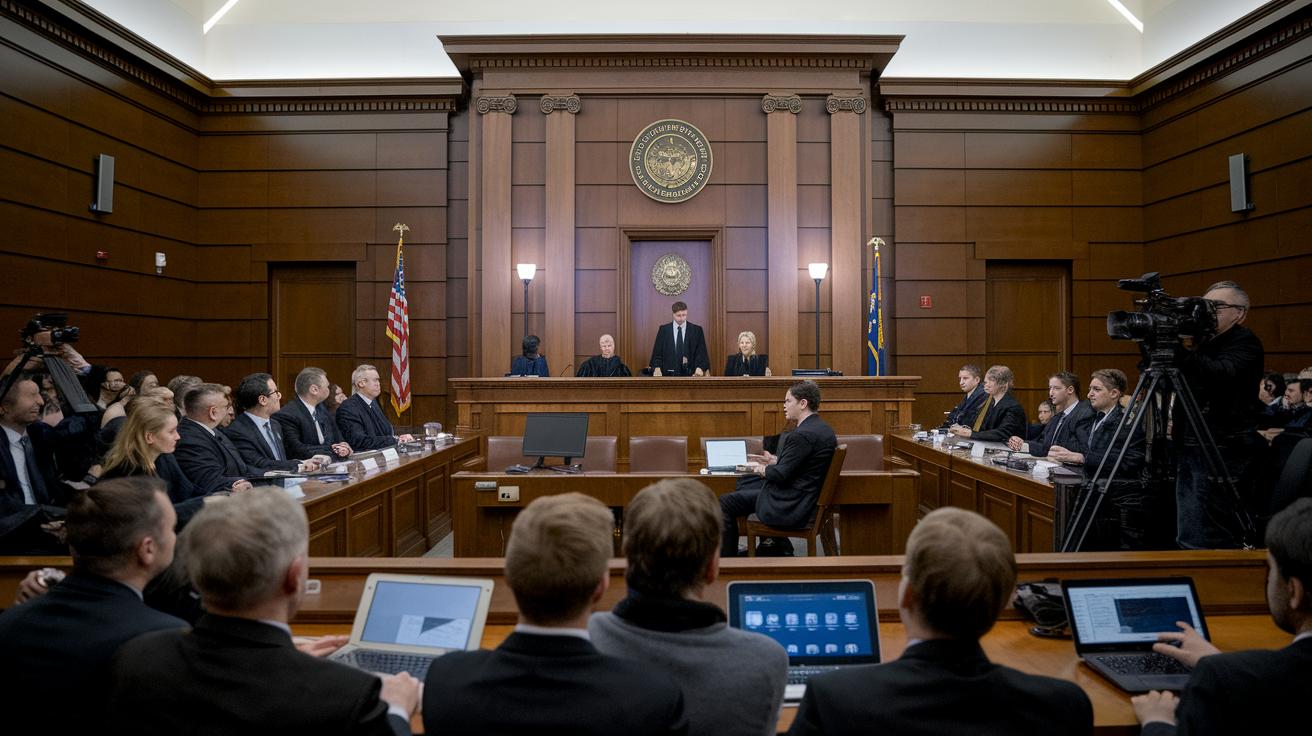
At Pretoria’s Palace of Justice, the courtroom buzzed with energy as international reporters watched every moment. Judge Percy Yutar kept things formal but couldn’t hide the tension in the room.
Prosecutor Rudolph Agnew built his case with many key items, including secret ANC documents and evidence of hidden weapons stores. He argued that these acts of sabotage were meant to topple the apartheid system. Ever wondered how a strong stack of evidence can tell a story? He made his point clear.
Defense attorney Bram Fischer, who led the legal fight, said these documents and items showed a struggle for freedom instead of a criminal act. He brought forward sworn testimonies from important witnesses who spoke about secret meetings and covert planning sessions. His focus was on the political motives behind the charges and the lack of direct proof linking the accused to violent acts.
The mood in the courtroom shifted with each new exhibit as heated debates broke out. Judge Yutar, sticking closely to legal rules, allowed both sides plenty of time to question the evidence.
Every witness, whether speaking spontaneously or with a prepared statement, added layers to a story that reached far beyond those courtroom walls. It was a trial that brought legal procedures and political tensions into a real, human light.
Sentencing and Aftermath of the Rivonia Trials
On June 12, 1964, the courtroom shifted history when all ten defendants received life sentences. Nelson Mandela ended his speech by promising his unwavering belief in freedom, his words full of passion and determination.
This harsh decision meant the accused would spend many years separated from their loved ones on Robben Island. But it also lit a spark of hope in those living under unfair racial laws. Every sentence stirred unrest at home and drew a chorus of international protests, shaking the very ground on which apartheid stood.
Being handed life imprisonment showed just how steep the price for fighting injustice could be. It laid bare the brutal way the regime crushed calls for equality and pushed supporters to stand even stronger against racial segregation. This sentencing stands as a powerful reminder of the sacrifices made for freedom and continues to inspire future generations to stand up for human rights and justice.
Rivonia Trials: Inspiring Legacy of Freedom
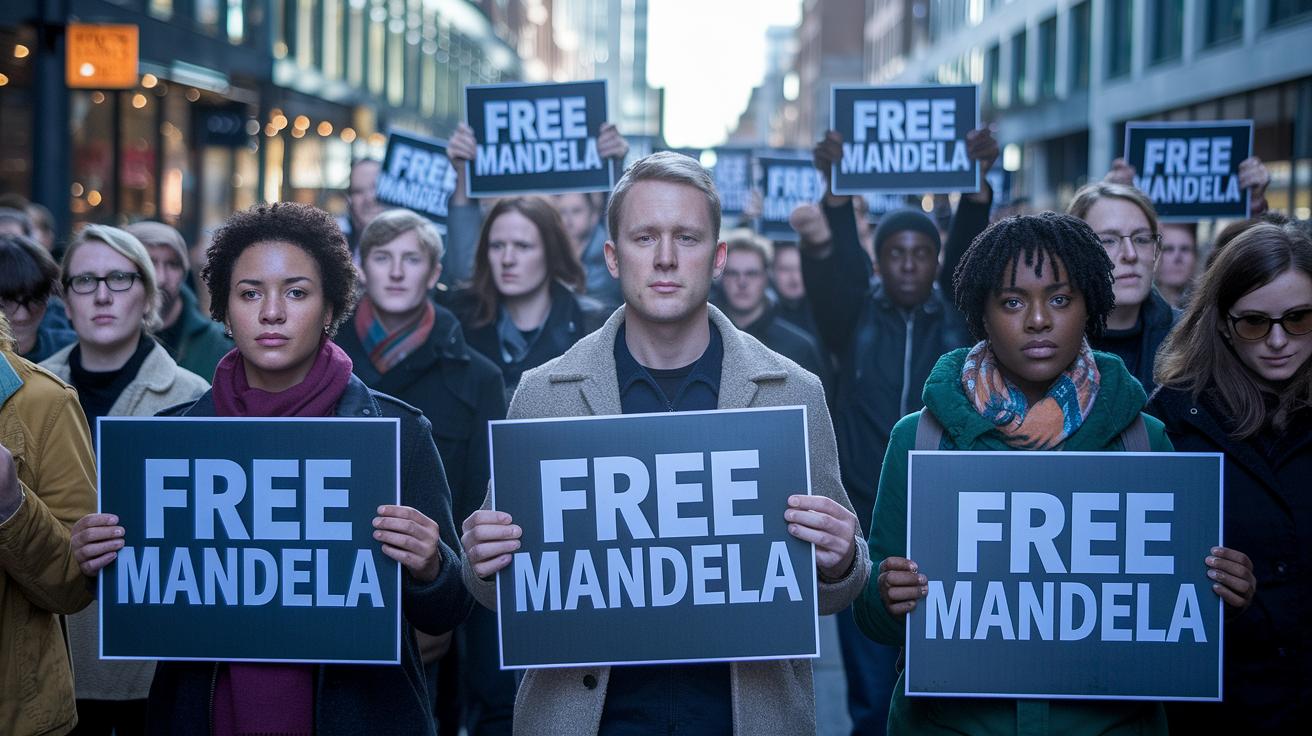
The Rivonia Trials changed how the world thinks about justice and speaking out against unfair policies. Global protests led the United Nations to consider banning apartheid, and Mandela’s steadfast defiance in prison made him a worldwide symbol of resistance. His trial helped shape new legal rules on how governments handle political dissent, and those rules still guide legal decisions today.
These trials celebrated individual bravery and sparked a global movement for human dignity. The “Free Mandela” campaign inspired protests on many continents, blending personal courage with a call for basic human rights and sparking lively debates among scholars everywhere.
- UN talks about banning apartheid
- Global backing for the “Free Mandela” movement
- Protests around the world demanding fair treatment for political prisoners
- New legal rules that shape how dissent is treated
- International discussions that influence civil rights reforms
Final Words
in the action, we traced the timeline of the case, examined key events and the heavy impact on South Africa's fight for freedom. We reviewed trial dates, courtroom details, and the brave faces behind remarkable change.
The article showed how life-changing outcomes from when all defendants received life sentences led to a renewed global push against oppression. Each step in the process of the rivonia trials helped shape a better future.
FAQ
What is the Rivonia Trial summary, meaning, and significance?
The Rivonia Trial summary details a landmark case in Pretoria where ANC leaders faced sabotage charges. Its proceedings and outcomes influenced anti-apartheid resistance and shifted legal views during apartheid in South Africa.
Who were the Rivonia Trial members?
The trial included key figures like Nelson Mandela, Walter Sisulu, Govan Mbeki, and Ahmed Kathrada, among others, whose actions helped challenge apartheid while they were sentenced to life imprisonment.
Why was the Rivonia Trial called as such and why did it happen?
The trial was named after the suburb of Rivonia, where pivotal anti-apartheid documents were found. It happened to prosecute top ANC leaders accused of planning acts of sabotage against the apartheid regime.
What was the judgment of the Rivonia Trial?
The judgment led to life sentences for the defendants, marking a turning point by highlighting the state’s strict measures against political dissent and sparking widespread resistance both locally and internationally.
What was the international response to the Rivonia Trial?
The international response saw global protests and condemnation of apartheid, with campaigns emerging to demand justice and highlight the plight of those imprisoned in the struggle against racial oppression.
Is the Treason Trial the same as the Rivonia Trial?
The Treason Trial and the Rivonia Trial are distinct; the former involved a broader array of charges against various political activists, while the Rivonia Trial specifically focused on key ANC leaders and their alleged sabotage activities.