

Have you ever noticed how a few vague words can change the outcome of legal decisions?
Think of the law like a simple recipe. If you forget a step, the whole dish might come out differently.
Judges start with the basic meaning of words, much like following the recipe as written. Then they look at extra hints, such as notes from lawmakers or discussions from the past, to fill in any missing details.
In this discussion, we explore how this thoughtful method helps keep the law true to its original idea while still working for today's challenges.
It’s interesting to see how careful reading can clear up confusion and steer legal decisions in the right direction.
Core Principles of Judicial Construction of Statutes
Judicial construction of statutes is the way courts figure out what a law means when its language is unclear or in dispute. Courts first look at the plain meaning of the words, and then they work through any confusion using extra clues. For example, one common rule is that if a law clearly states a requirement, its everyday meaning should be used.
Judges start with the words written in the law. If the language is clear, they stick with the everyday meaning. But if the words are vague, they turn to tried-and-true rules or dig into the history of how the law was made. Think of it like following a recipe: if you’re missing an ingredient, you check your notes to see what the chef intended. Ever wondered how that balance helps shape everyday legal decisions?
The main aims of judicial construction are simple. Judges work to clear up any confusion, stick to what the lawmakers meant, and make sure the law fits with our larger set of rules, like the constitution (basically, the top law of the land). By doing this, they avoid interpretations that might lead to mixed messages and keep the law strong and consistent.
Core Principles of Judicial Construction of Statutes
Judicial construction of statutes is a way to clear up confusing parts in laws. Judges start by looking at the plain, everyday words in the law. If things still seem unclear, they check extra hints like earlier drafts, debates among lawmakers, or older practices. Ever wonder how a small mistake can change everything? In one case, a tiny wording mix-up in a financial rule led judges to review old legislative debates, ultimately changing how the rule was applied in commerce.
This approach helps keep the law true to its original intent while also updating its meaning for today’s challenges in business law and personal injury cases. Sometimes, digging into legislative history gives us a clearer picture of what lawmakers really meant.
| Plain Interpretation | Judicial Construction |
|---|---|
| Focus on the clear, everyday meaning of the text | Use extra hints like historical records and debates to clear up any confusion |
Historical Evolution of Statutory Interpretation Methods
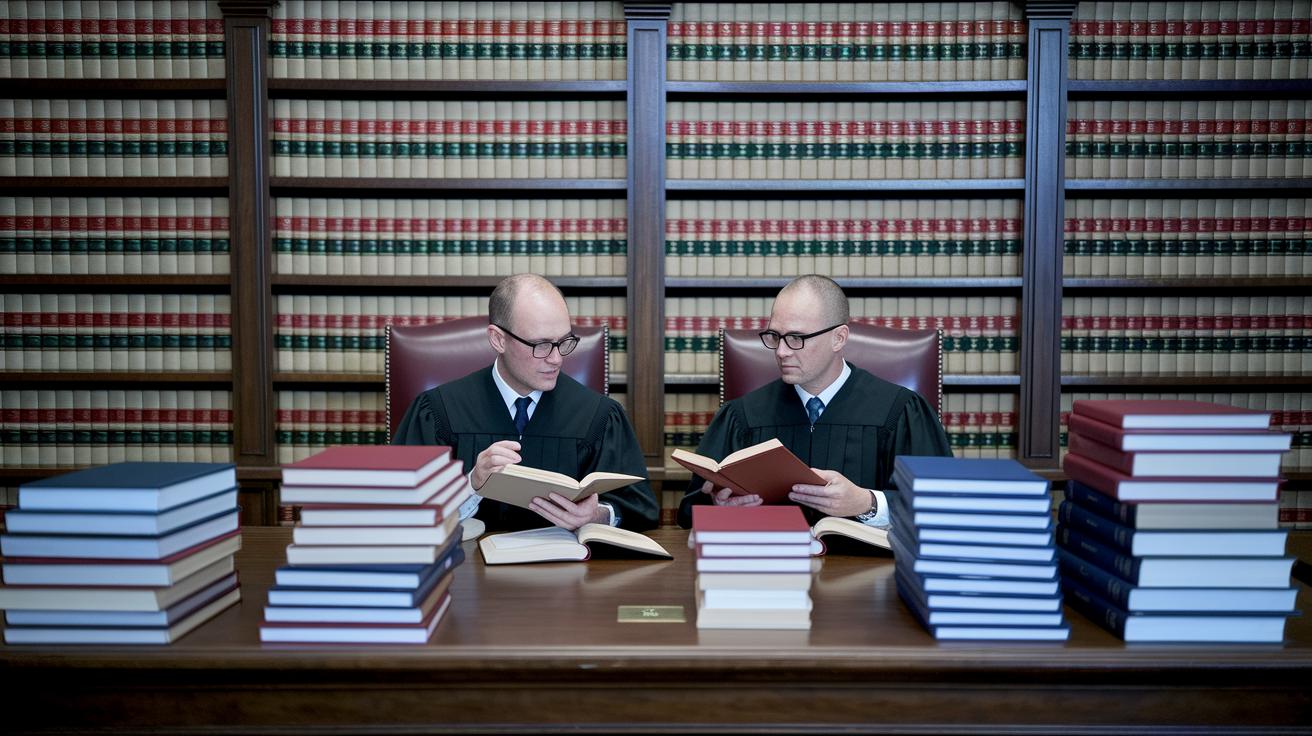
In the 19th century, U.S. courts usually read laws very literally. Judges kept to the exact words, believing that the text spoke for itself. For instance, one judge once remarked, "The statute is as clear as day," showing that he thought the plain language needed little more explanation.
Then, by the early 20th century, things began to shift. Courts started to see that sticking solely to the words could miss the lawmakers’ real aim. This change gave rise to what’s known as the purposive school. Think of it like looking at a recipe, you don’t just list the ingredients; you also consider how they work together. Judges began to dig into the history and context behind laws to uncover their intended meaning. Landmark cases, such as Erie Railroad Co. v. Tompkins (1938), tried to balance state and federal interests while still respecting earlier methods.
In the 1980s, Justice Scalia brought a fresh push for textualism. He urged courts to rely on the dictionary definition and grammar of the words. His work in A Matter of Interpretation (1997) made a strong case for sticking closely to the text. At the same time, the case Chevron U.S.A. v. NRDC (1984) introduced a key idea: if the statute is ambiguous, courts could lean on agency interpretations as a guide. Nowadays, many courts mix a strict reading of the text with clues from context, showing a modern blend of literal and purposive approaches.
judicial construction of statutes: Clear, Smart Insight
When a law isn’t written in plain language, judges turn to a set of long-used rules to clear things up. There are over thirty of these canons, but five key ones often make the biggest difference. Think of them as little guides that help figure out tricky words and ensure that laws work the way lawmakers intended. They aren’t ranked by importance; instead, judges decide which one fits best based on the case.
One of these is the Plain Meaning Rule. This rule is simple, it tells judges to use the everyday meaning of words. Then there’s Expressio Unius Est Exclusio Alterius, which means that if a law lists specific items, anything not on that list is usually left out. Next, we have Ejusdem Generis. This rule says that when a law mentions a few detailed examples followed by a broad term, that broad term only covers things similar to the examples. Another helpful guide is Noscitur a Sociis. This rule means that a word’s meaning can be understood by looking at the words around it. Finally, there’s the Rule of Lenity. In criminal cases, if any part of the law is vague, this rule helps interpret it in favor of the person accused.
Judges pick these tools depending on the situation. They all mix together like ingredients in a recipe, helping to sort out unclear language and keep the law true to what lawmakers meant. Isn't it interesting how these rules work together, almost like a team, to bring meaning to every case?
Theoretical Approaches: Textualism vs Purposivism in Statutory Construction
Textualism is all about sticking to the exact words written in the law. Judges who use this approach literally rely on what the text says, checking the dictionary meaning and the grammar of each sentence. They usually don’t look to external sources for help. Justice Scalia, for example, was a big fan of this idea. He believed that the plain meaning of the words should guide decisions. Imagine following a clear set of instructions when you build a model airplane, you use each step exactly as written. Textualists say that this method creates a stable, rule-based legal system.
Purposivism looks at the law in a wider context. Judges using this method dig into the reasons behind a law, including committee reports and debates to figure out what lawmakers intended. They believe that just the words might not tell the whole story. Think of it like receiving a gift with a personal note explaining the meaning behind it. In this view, understanding the broader goal of the law is key. Purposivists use extra tools to clear up any confusion and to respond to society’s changing needs over time.
| Feature | Textualism | Purposivism |
|---|---|---|
| Source of Authority | Statutory text and dictionary meaning | Legislative intent and history |
| Use of Legislative History | Minimal or none | Crucial for understanding purpose |
| Treatment of Ambiguity | Stick to the ordinary meaning | Seek context to resolve unclear language |
| Deference to Agencies | Limited, depends on textual clarity | More open to agency insights |
| Flexibility Over Time | Less adaptable to change | More dynamic with evolving contexts |
Judicial Decision‐Making and Case Law Analysis in Construction
Judges take a step-by-step approach when they face tricky parts of a law. First, they figure out what the main issue is. Then, they read the law carefully and look up past cases where similar issues came up. Think of it like putting together a puzzle, where each piece counts.
Courts often use the IRAC method. That means they Identify the issue, Review the law, Analyze past decisions, and Conclude. For instance, in King v. Burwell (2015), judges looked at the exact words of the law and also considered the bigger picture to see what lawmakers intended.
In the well-known case Bostock v. Clayton County (2020), judges focused on the everyday meaning of a word. But in West Virginia v. EPA (2022), they used the "major questions doctrine" (a rule that stops agencies from overstepping by reading too much into a law) to set limits on interpretations.
Judges also rely on an idea called stare decisis, which means they follow rules set by earlier decisions to keep legal outcomes steady and predictable. They review key cases, match the facts, and think about the wider effects before making a decision.
Picture a judge saying, "We stuck to the clear words of the law just as we did in Bostock, and made sure our ruling fit into the pattern set by previous cases."
Challenges and Debates in Modern Statutory Construction
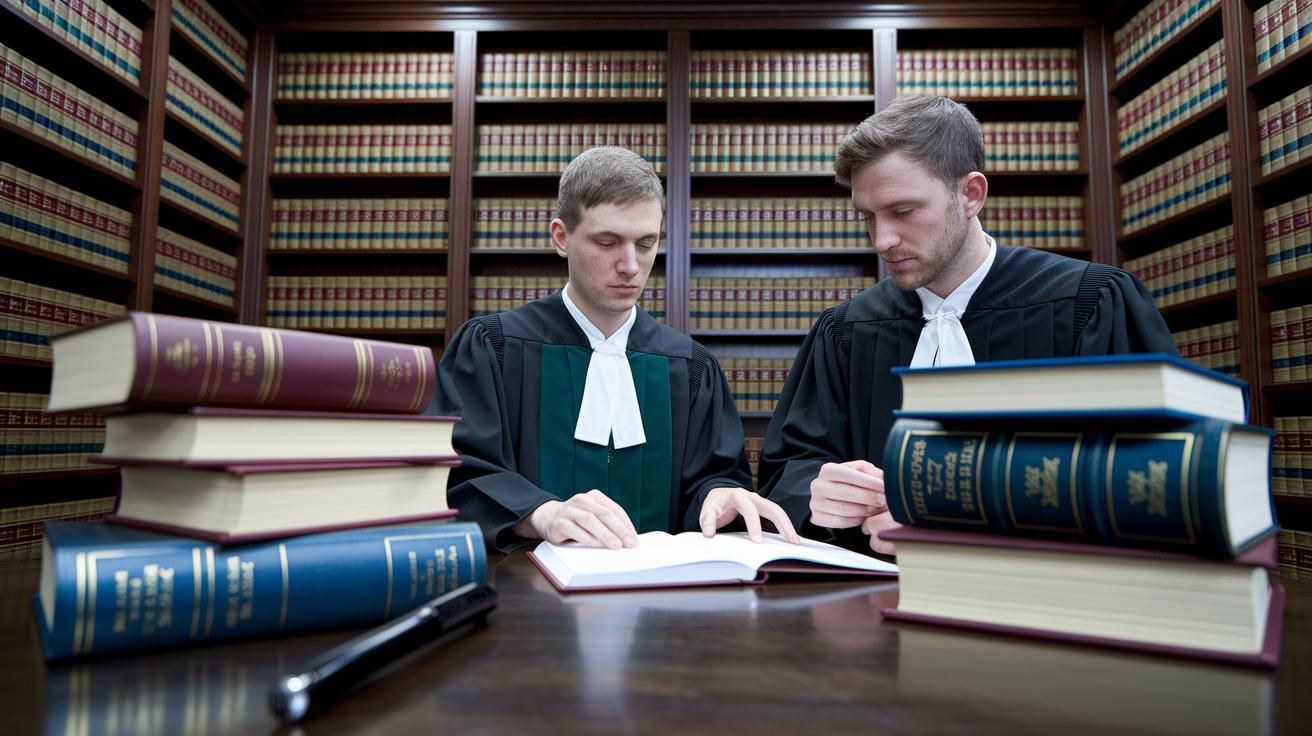
Sometimes, legal scholars and judges don't agree on what to do when a law seems to have more than one meaning. A big part of the dispute involves rules like Chevron and Auer. These rules suggest that courts should trust the choices of government agencies. But some folks worry that relying too much on old debates and history can blur the clear lines between different parts of our government. For example, critics say that using lots of outside information can pull focus away from the plain words of the law.
Another tough issue is deciding whether to stick with the exact words of a law or to also consider what lawmakers were trying to achieve. Some legal experts argue for a strict reading to keep things clear, while others support a more flexible approach that matches today’s real-life situations. When a law is layered with different meanings, it makes this balancing act even trickier. How should courts compare hints from outside the text with the law that already seems clear? In the end, finding the right mix is both an art and a serious legal challenge.
Comparative and Emerging Trends in Judicial Construction of Statutes
Different regions find their own ways to tackle unclear laws. In the U.K., judges use a method that looks beyond the plain words, instead asking what the law is meant to achieve. They follow the Interpretation Act 1978, which guides them to think about the law’s overall purpose. Over in Canada, judges mix a close reading of the text with the broader goals lawmakers had in mind, as shown in R. v. Saskatchewan Wheat Pool (1983). And in the EU, courts follow a method that zooms in on meeting the goals of treaties by focusing on the overall objectives behind each statute.
New trends are emerging in how laws are interpreted. Courts now sometimes borrow ideas from different legal systems, kind of like a chef picking up a neat tip from another cuisine. At the same time, artificial intelligence is stepping in to help analyze large volumes of legal texts quickly. This means judges are paying more attention to making sure their decisions blend well within a layered regulatory system. It’s like assembling a mosaic, where each piece of context adds up to a clearer picture of what the law is really about.
These evolving methods promise smarter ways to keep laws clear and connected in our digital and global world.
Final Words
In the action, our article traced the evolution of judicial construction of statutes, from the core principles and key canons to modern debates in statutory interpretation. It unpacked textualism versus purposivism and showed how landmark cases inform today’s legal reasoning.
By breaking down these ideas into clear segments, readers get a down-to-earth view of how laws evolve. The discussion leaves us upbeat about using these insights to guide future challenges and legal decisions.
FAQ
Q: What does statutory construction mean in law and what does judicial construction mean?
A: The meaning of statutory construction is how judges interpret unclear laws, while judicial construction refers to the process courts use to resolve ambiguous language in statutes using tools like plain meaning and legislative history.
Q: What are the key rules and canons used in statutory interpretation?
A: The key rules include using the plain meaning rule, expressio unius, ejusdem generis, noscitur a sociis, and the rule of lenity to resolve ambiguities and pinpoint legislative intent in the language of statutes.
Q: Can you give an example of how statutory construction works in practice?
A: A practical example involves applying the plain meaning rule where a court looks at everyday usage of a term when its context is clear, resorting to extra-textual tools only if the language remains ambiguous.
Q: Are judges responsible for creating statutes?
A: Judges step in only to interpret and clarify statutes. They do not create laws, as that responsibility falls under the legislative branch, ensuring that their rulings remain within the bounds of judicial construction.