

Have you ever wondered how laws grew out of everyday life? Customary law comes from the traditions people share in their communities, and many legal systems still use these time-tested ideas.
Think of it like a family recipe that gets a little extra flavor with every new generation. In small medieval villages, this way of settling disputes was trusted, and you can still see its influence in our modern courtrooms.
In this article, we explore how old customs built the strong foundation of our legal system. It shows us that fairness doesn't come only from strict, written rules.
Tracing Customary Law and Its Legal Origins
Customary law is a set of unwritten practices that grew out of everyday life in a community. It developed gradually from small decisions and shared habits, much like a family recipe where each generation adds its own twist while keeping the basic method. For instance, imagine a small medieval village where neighbors worked out a property dispute using long-held traditions instead of written rules.
In medieval France, local courts handled jobs like property issues, inheritance, and even crimes using customary law. They didn’t rely on strict, formal rules; instead, they trusted age-old practices that matched the community’s values. Leaders in these courts often acted as mediators, using stories and memories handed down over time to settle disputes.
This way of handling disputes, sometimes called vernacular law, set the stage for modern legal ideas by focusing on customs rather than written laws. In early American history, Louisiana is a great example. There, Spanish Romanist law mixed with French customs and Anglo-American rules to create a legal system that truly reflected its cultural roots.
Customary law shows us that our legal systems began with everyday interactions and community agreement. Even today, these traditions remind us that fairness and shared understanding are key to achieving justice.
Early Customary Law and Primitive Adjudication Methods
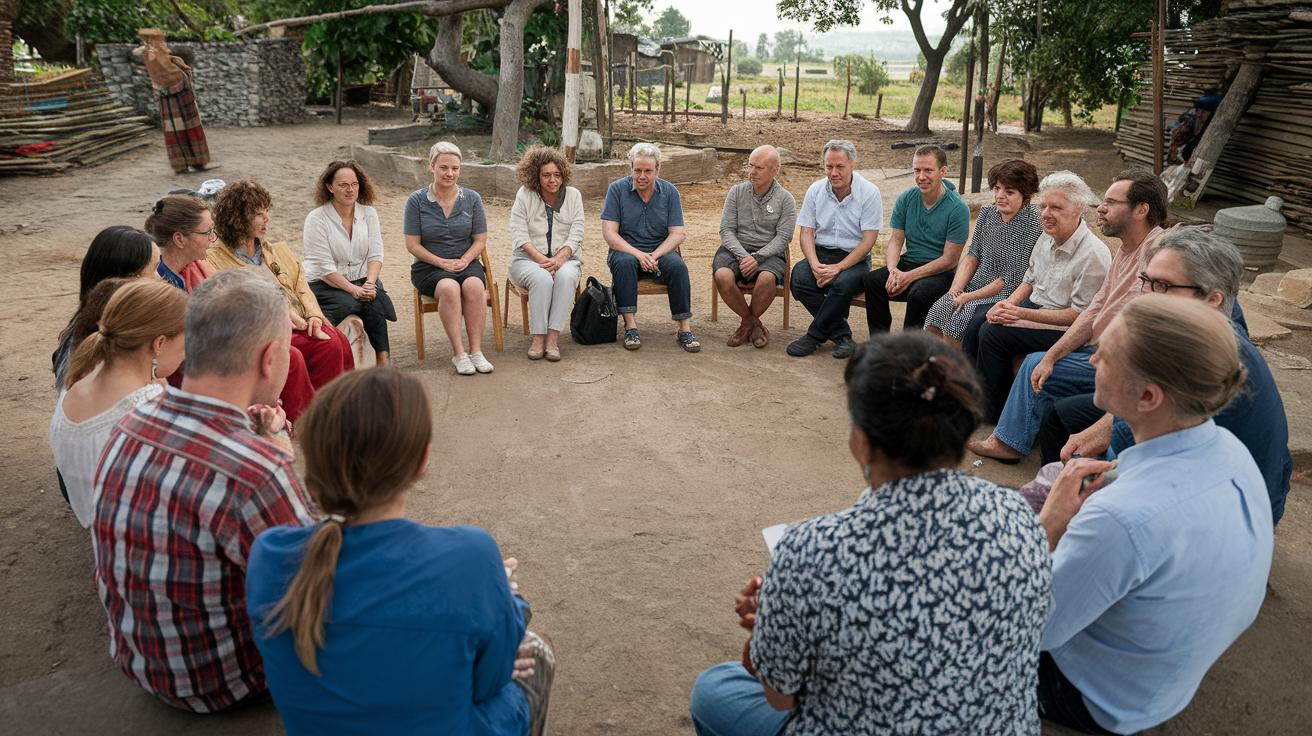
Before modern legal systems existed, many communities had their own ways to settle disputes. In one tribe, a mediator would bring everyone together in a circle, inviting each person to speak up. Think of it like putting together a puzzle, each family member's view helped resolve a long-standing conflict. Meanwhile, another group trusted its elders, who used age-old stories passed down by word of mouth to guide their decisions.
Different communities shaped their dispute resolution methods based on local customs. Some groups believed in open dialogue where reaching a common agreement was key, while others leaned on respected leaders whose decisions came from tradition and shared memories. In fact, these early ways of resolving conflicts set the stage for today’s formal court systems by showing how flexible, community-centered justice can be.
- Mediation styles revealed each community’s unique approach.
- Old practices connected oral traditions with early written rules.
- Informal mediators often grew into roles within new legal systems.
- Each method stressed the importance of adapting to local needs and experiences.
Characteristics of Customary Law and Community Governance Traditions
In many communities, customary law grows out of everyday actions and how people relate. It comes from simple, shared practices that develop naturally over time. This type of law has six main traits that make it special:
- Local consensus: People make decisions together. For example, in a town meeting everyone might share their ideas when deciding on a time for a community party.
- Oral transmission: Rules and values are passed along by word of mouth. Think of elders telling stories to keep traditions alive, much like a family sharing a favorite memory.
- Dispute mediation by elders: Respected leaders help solve problems using their deep knowledge of local customs. For instance, an elder might help resolve an argument about shared resources, much like a trusted referee in a neighborhood game.
- Adaptability: Customary law can change with new experiences or needs. Communities may update old practices when faced with modern challenges, similar to how a family might tweak a classic recipe.
- Informal norm development: New rules arise naturally from everyday life without formal paperwork. Neighbors might slowly agree on fair ground rules for shared spaces, much like friends figuring out how to split a bill fairly.
- Community governance traditions: The group organizes itself around these common practices to keep order and fairness. Local councils built on mutual trust show how working together can keep things balanced.
Medieval Customary Law and Vernacular Adjudication in Lay Courts
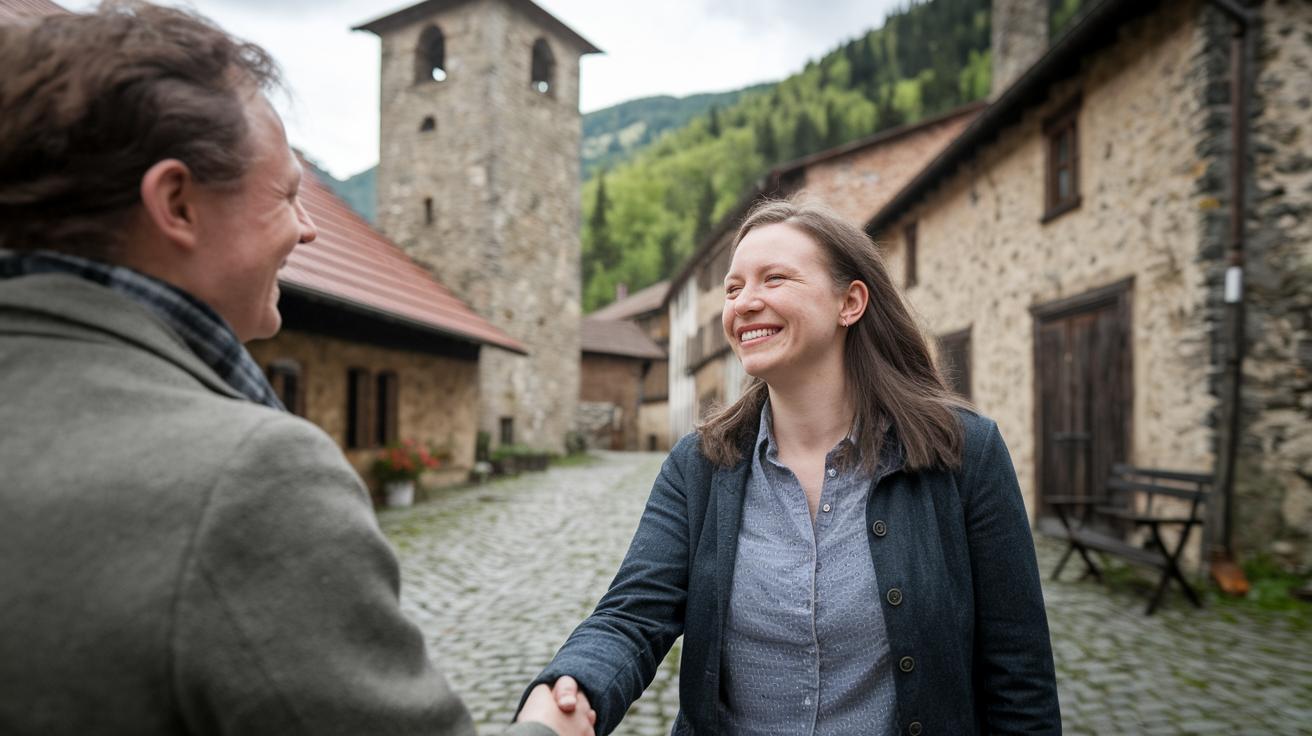
In medieval France, local lay courts settled conflicts using community stories and personal testimony. At times, a simple handshake and promise carried more weight than a written contract. This shows that these courts believed in the strength of local trust over strict written laws.
Here’s a look at some key features of early legal customs:
| Domain | Customary Features | Time Period |
|---|---|---|
| Property | Local testimonies and unwritten agreements | From 12th century onward |
| Inheritance | Family traditions and community agreement | Medieval |
| Contracts | Oral commitments and neighborhood customs | Medieval |
| Crime | Community judgment and mediation | Medieval |
Oral traditions and personal accounts helped guide decisions, making early justice systems feel very human and community-based.
Comparing Customary Law and Statutory Law: Influence and Integration
Customary law grows naturally from a community's everyday actions and shared traditions. It builds over time as people pass down ways of doing things by word of mouth. Statutory law, however, comes from lawmakers who write down clear rules meant to guide everyone. In Louisiana, these two ideas mix to create a law system that feels both old and new. Spanish Romanist ius commune brought medieval legal ideas that blended with French customary customs and later with Anglo-American common law. This mix shows that modern laws can honor long-standing traditions while also following written rules.
When you compare the two, you see how each type of law helps shape fairness. Customary law, based on what the community agrees is right, offers a flexible way to solve problems. Think of it like a friendly town meeting where neighbors work together to decide what’s fair. On the other hand, statutory law gives clear, uniform directions that everyone must follow. Legal experts, using methods like those in comparative legal analysis (https://recentlegalnews.com?p=2733), show that mixing spoken traditions with written codes can create a legal system that balances creativity and order. Louisiana’s unique blend is a neat example of how tradition can still play a role in today’s legal world.
customary law and its legal origins: Resilient Roots
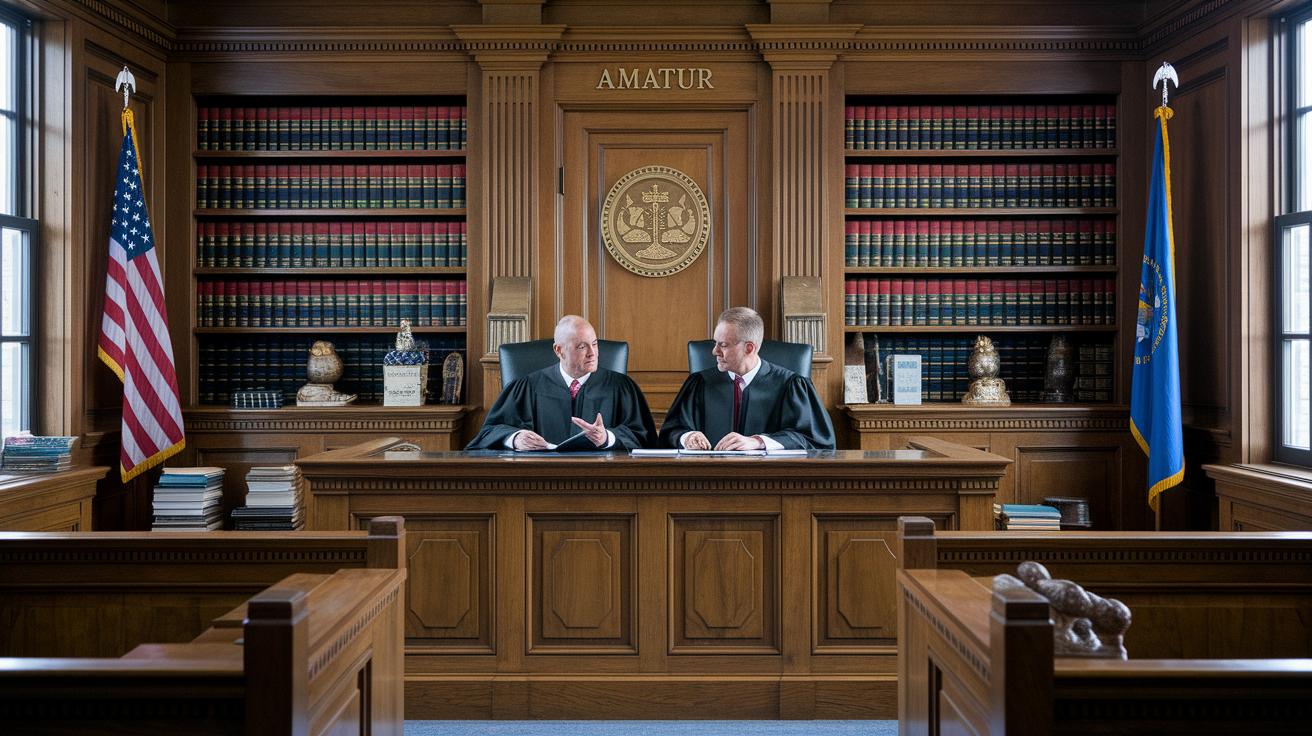
Today, judges and lawmakers are giving fresh respect to traditions that have grown up in communities over time. They are looking back at ways people solved problems long before any rules were written down. Lawmakers now see that these old customs can work nicely with our written laws. Some even point to community stories used in court as a way to settle disputes, much like a local mediator might do.
There is still a lively debate over how much weight these customs should have. Some say that because they aren’t recorded in books, they are hard to control. Others believe that the gentle, ever-changing nature of local rules helps them fit better with today’s world. In many regions, lawmakers are updating legal codes to include the values that have guided communities for ages. It’s a bit like changing a local rule so it truly mirrors what people believe is fair.
Some legal theories, like evolutionary jurisprudence, back this move to mix old and new. Scholars believe that using age-old community rules can make the law feel closer to the people it serves. Instead of relying only on strict written rules, combining past wisdom with new laws brings a more humane touch to how justice is done.
Final Words
In the action, this post traced the evolution of legal practices from early community rules to medieval lay courts. It highlighted how unwritten customs influenced property, contracts, and dispute resolution, while also comparing these traditions with modern codes.
We see a lively picture of law shaped by everyday decisions and community consensus. This deeper look leaves us with a clearer understanding of customary law and its legal origins, sparking confidence in the power of tradition to inform current legal insight.
FAQ
What is customary law, and can you provide examples?
Customary law means unwritten rules built through community practice over time. It guides dispute resolution and social conduct, with examples such as traditional mediation and local norms governing property and inheritance.
Where can I find a customary law PDF?
A customary law PDF can be found by checking online legal libraries, academic repositories, and government archives that offer downloadable resources on legal traditions and community-based law.
What are the five main characteristics of customary law?
Five main characteristics include local consensus, oral transmission, adaptability to change, community-driven dispute resolution, and reliance on long-standing traditional practices.
How does customary law differ from common law?
Customary law differs by evolving from community traditions without formal codification, whereas common law develops through court decisions and established legislative processes.
What types and sources of customary law exist?
Customary law comes in various forms based on cultural practices and oral traditions. Its sources include long-established local customs and community norms passed down through generations.
Why is customary law important?
Customary law is important because it reflects community values, provides accessible justice mechanisms, and maintains social order by relying on historical practices that resonate with local populations.
Where did customary law originate?
Customary law originated in early communal societies where everyday practices formed the basis of conflict resolution, eventually evolving into established traditions in medieval and diverse cultural settings.
What is the origin of the US legal tradition in law?
The US legal tradition draws from European influences, blending French customary practices, Spanish Roman principles, and Anglo-American common law, which together shape its modern legal system.
What is customary international law derived from?
Customary international law is derived from consistent state practices and mutual recognition of legal norms, forming unwritten rules that govern relations among nations over time.