

Ever wondered how a tiny delay in your paperwork might throw off your USCIS timeline? In this blog, we take you step-by-step through the entire process, from the moment you file your forms until you get that final decision. We explain the clear stages and average wait times for different forms so you can see why it matters to set realistic expectations. Even small changes in timing can shake up your whole case, and we share easy-to-follow tips to help you stay positive along the way. Let’s explore what to expect and how to keep your case moving smoothly.
Comprehensive USCIS Case Timeline Overview
The USCIS process goes through several clear stages, starting when you first submit your petition and ending with the final decision. And here’s something that might surprise you: many applicants don’t realize that even a small delay from extra paperwork can stretch out the wait time. Every step in this process has its own usual timeframe.
If you're filing an I-130 petition (a form to bring family members to the U.S.), it generally takes about 11.4 months. For people applying to adjust their status, family-based I-485 cases usually take around 10.9 months, while employment-based cases average about 10 months. Other forms follow a similar pattern. For example, the I-601A provisional waiver normally takes roughly 8.7 months, and if you need to file an I-212 to ask for permission to reapply, expect to wait about 10.3 months. Special immigrant petitions under I-360 take even longer, often between 15 and 17.5 months depending on the service center handling your case.
Keep in mind that these are just average times. Official processing times can sometimes seem shorter than what you actually experience due to backlogs, fewer staff, or extra security checks. Think of your application as moving from one checkpoint to the next; if one stage takes longer than usual, the whole process might be pushed back.
Understanding each step can help you set realistic expectations, so always compare your case’s progress with the official timelines and remember that your application is part of a larger, changing process.
Form-Specific Segments in the USCIS Case Timeline
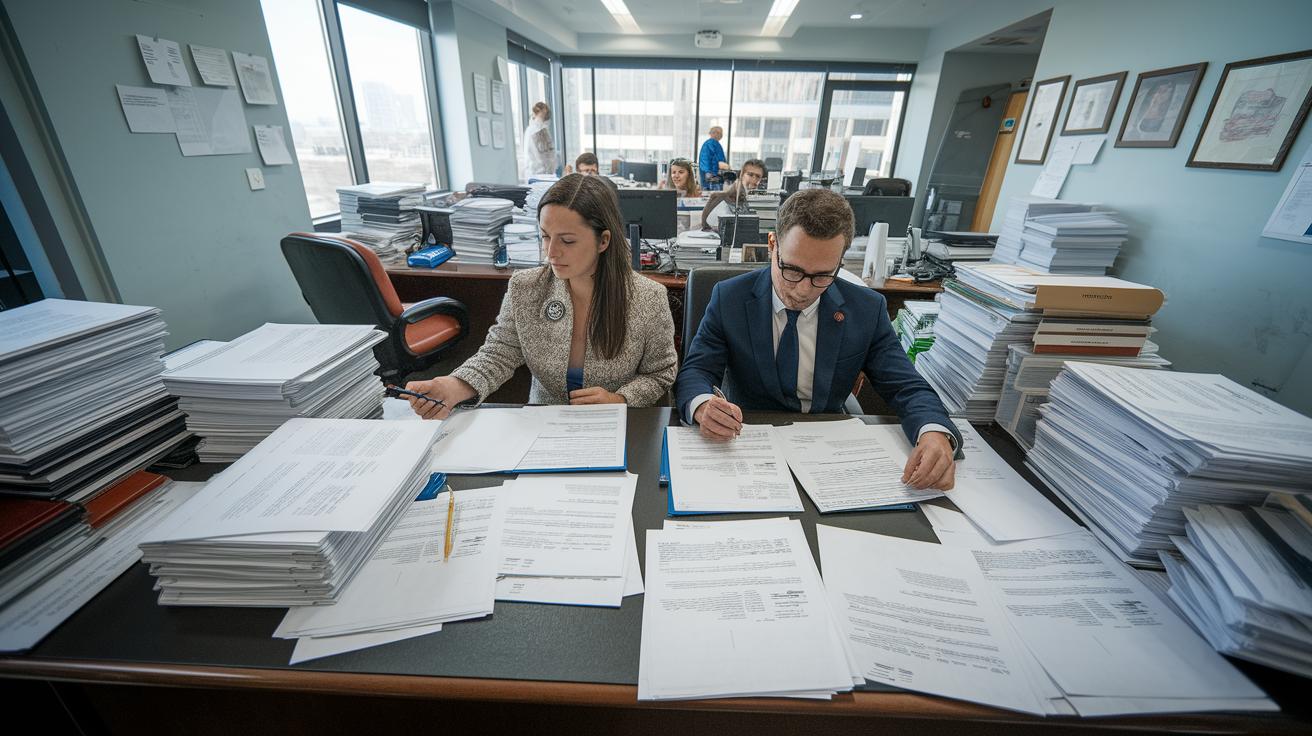
Family-based cases, like the I-130 and I-485, are explained elsewhere. But when it comes to employment-related petitions, there’s an extra step: the PERM labor certification. This step means an employer must prove that no eligible U.S. worker is available for the job, a check of the local job market. It usually takes about 12 to 18 months, sometimes even longer. Ever wondered how this extra step can extend the whole process? For example, many employers must finish the PERM certification before they can file the I-140 petition, which can add over a year to the timeline.
Below is a quick reference table for key forms and the PERM process:
| Form/Process | Median Processing Time |
|---|---|
| I-130 (Alien Relative) | 11.4 months |
| I-485 (Family-Based) | 10.9 months |
| I-485 (Employment-Based) | 10 months |
| I-601A (Provisional Waiver) | 8.7 months |
| I-212 (Permission to Reapply) | 10.3 months |
| I-360 (Special Immigrant) | 15–17.5 months |
| PERM Labor Certification | 12–18+ months |
Influencing Factors on Your USCIS Case Timeline
Your USCIS case timeline depends on many factors. The type of case you file, the complexity of your petition, and how complete your paperwork is can change how long you wait. For instance, if your documents are missing something, it might feel like waiting in a long line because someone forgot their ticket.
Where your case is handled also makes a big difference. Field offices and service centers often work at different speeds. A heavy workload in one location can add extra weeks or even months to your wait. And if your case needs extra security checks or you receive a Request for Evidence (RFE), which is when they ask for more information, you’ll likely experience more delays.
Consider a few key points:
| Factor | Impact |
|---|---|
| Type of petition | Family cases and employment cases may follow different paths. |
| Extra verification | Some cases slow down because additional details need to be confirmed. |
| Case backlog | More than 11 million cases are pending as of mid-2025, stretching out wait times. |
| Visa bulletin changes | Adjustments in priority dates can make two similar cases differ in timing. |
Imagine two friends submitting similar applications. One might move faster because everything is complete and the office isn’t overwhelmed, while the other could face delays due to missing paperwork and a heavy workload.
Tracking Progress and Managing Delays in the USCIS Case Timeline

Keeping an eye on your USCIS case can really make a difference. Start by using the USCIS online Check Status tool. Just enter your receipt number and you might see an update like "Your case is in the review stage – stay tuned for your next update." This tool gives you real-time updates so you know exactly where your case stands.
Next, compare your case timeline with the monthly USCIS processing time reports. When your application takes longer than the usual time, it’s a clear sign to take action. Here’s how to stay on top of things:
- Check your status online with your receipt number regularly.
- Look at the monthly processing time reports to see if your case matches the expected pace.
- Contact USCIS through their Contact Center or send an online inquiry when you notice any delays.
- If delays grow very long, consider your legal options, such as filing a writ of mandamus, which is a legal way to urge progress when things stall.
Imagine two people who check their case every week. One sees fast updates and feels at ease, while the other notices the progress slowing compared to the median. In moments like these, a timely inquiry or some legal advice can really shift the situation.
Staying on top of your case with these simple steps helps you take control. Keep your receipt handy, review the updates often, and remember that if delays persist, customer support and legal routes can help push your application forward.
Expedited Options and Legal Remedies in the USCIS Case Timeline
Premium processing is an option for forms like I-129 and I-140. For a small extra fee, your case might get decided in as little as 15 to 45 days. Imagine your application being reviewed and decided in only about 20 days, it’s like having a special express lane for your legal paperwork.
If you face a severe hardship, an emergency, or issues that affect national interests, you might also request an expedited review. Each case is looked at individually. Think of it like placing a rush order: if you meet the criteria, you could see a faster update. Some applicants have even had their case turnaround in under a month just by showing an urgent situation.
When things don’t go as planned and you receive a denial that doesn’t feel right, you can turn to the Administrative Appeals Office process. An appeal in this process might add about six extra months to your timeline. Picture it as a new chapter in your case, much like an unexpected pause in a fast-moving movie.
If delays continue well beyond the usual time, another option is to file a writ of mandamus in federal court. This legal step can push USCIS to act when regular channels stall, helping to move your case forward.
Final Words
In the action, we explored a step-by-step snapshot of the USCIS case timeline, from key forms and processing windows to real-time tracking tools. We looked at what can affect wait times, why similar cases might differ, and how expedited options can help when delays occur. This breakdown offers clear insights that help you grasp what to expect from submission to decision. Embrace this guidance to make informed decisions as you navigate your USCIS case timeline with confidence.
FAQ
What is the I-130 processing time for spouse and sibling petitions?
The I-130 processing time signifies the duration USCIS takes to review family petitions. For spouses, the median time is about 11.4 months, while sibling cases may vary due to priority date backlogs.
How accurate are USCIS processing times and how can I check them?
USCIS processing times offer median estimates that might differ from individual cases. You can check your case status online with your receipt number for the most current update.
What are the current USCIS processing times in 2025 and are cases processing faster?
In 2025, USCIS processing times have slowed overall because of high demand and staffing issues. While premium processing can lead to faster decisions, most cases are taking longer than usual.
What is the I-140 processing time?
The I-140 processing time refers to the period USCIS takes to review employment-based petitions. Timelines vary depending on the service center and petition specifics, so checking online updates is advised.
What does it mean when my USCIS case status is approved?
When your USCIS case status is approved, it means the agency has finished its review and granted the petition. You will receive official notice with further instructions on the next steps.
What happens when a USCIS case is outside the normal processing time?
A case outside the normal processing time indicates that the decision is taking longer than typical median estimates, often due to extra review steps or a high workload. It may help to monitor your status online.
How long is USCIS taking right now, and why might my case still be processing?
USCIS case processing may extend beyond published medians because of ongoing high case volumes and additional review requirements. This means delays can occur, so regular status checks are recommended.