

Ever wondered how old customs shape the laws we follow today? Native American laws mix centuries-old traditions with today’s federal rules to help communities stay strong. On many reservations, tribes work with U.S. legal systems so they can keep their age-old ways alive while meeting modern needs. Tribal pride shows in local choices that protect their culture and support self-governance. This article looks at how these special legal practices blend old traditions with new rules to honor and safeguard tribal identity.
Native American Laws: Federal, State, and Tribal Jurisdiction Overview
Native American legal systems have many layers where tribal sovereignty plays a big role. Tribal communities work with a dual-citizenship model, meaning members belong to both their tribe and the United States. This mix lets Native Americans follow long-standing tribal customs alongside modern federal rules. Many tribal members even say that local decisions show old cultural practices while still keeping up with today's federal laws. It's a unique blend that makes life on federal reservations really special.
On federal reservations, tribes and the U.S. government usually share the responsibility for making rules unless Congress decides otherwise. State laws might come into play too, but that depends on specific actions by Congress and the history of the reservation’s own rules. Over the years, court rulings and political choices have shown how important tribal nations are. Many people see this as a great example of community self-rule where both ancient traditions and modern ideas work together.
Debates about state versus tribal power are still common in different regions. Sometimes, state law will apply under certain conditions, but in other cases, tribal authority is nearly complete. This creates a dynamic system where different layers of law exist side by side. Imagine a community meeting where decisions are influenced by federal guidelines yet deeply rooted in tribal traditions. This mix not only boosts tribal pride but also shows how Native American laws elegantly tie cultural heritage to today’s legal practices.
Criminal Jurisdiction under Native American Laws
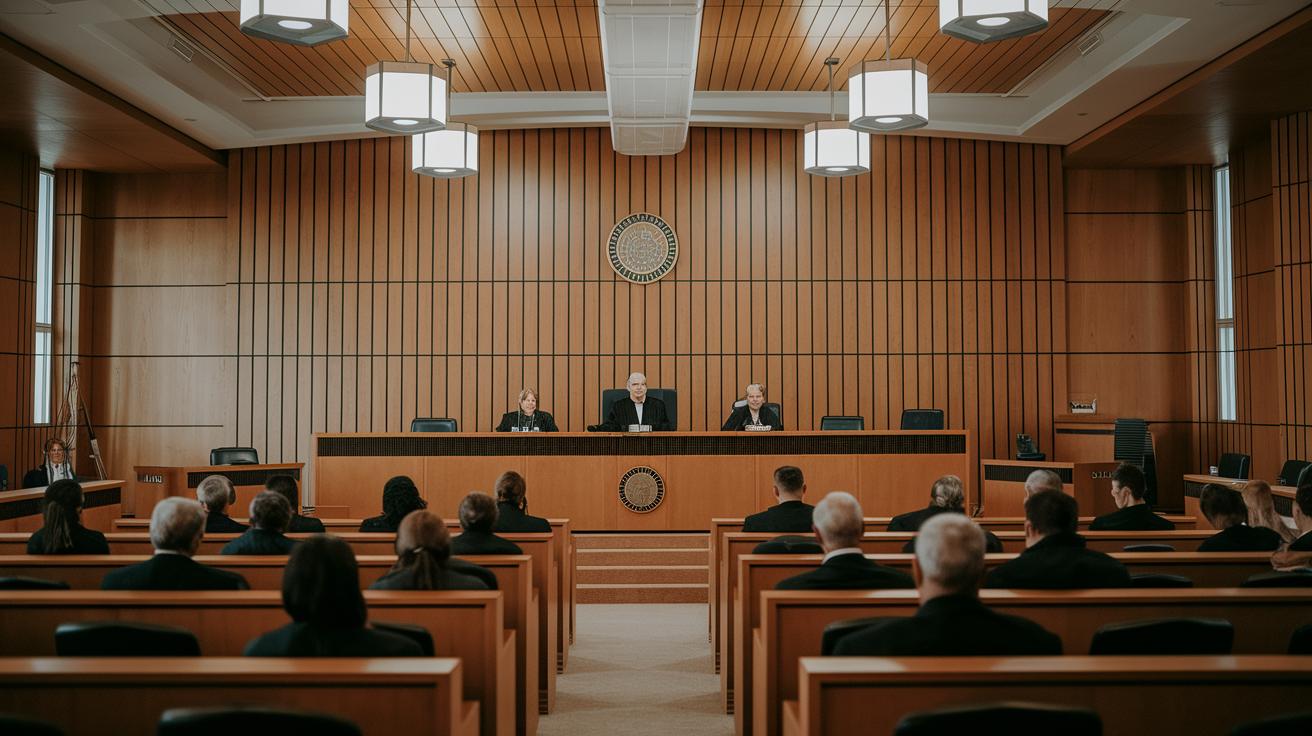
Federal laws like the Major Crimes Act and the Indian Country Crimes Act work together with tribal rules to decide how crimes are handled on reservations. The Major Crimes Act brings serious crimes such as murder, manslaughter, and sexual assault under federal care when they happen in Indian country. And when a crime involves non-Native Americans or falls in a gray area where tribal or state rules aren’t clear, the Indian Country Crimes Act steps in. Think of them as two safety nets that help catch major crimes so none slip through unnoticed.
- The Major Crimes Act puts big offenses under federal oversight on tribal lands.
- It mainly covers crimes involving Native Americans in Indian country.
- The Indian Country Crimes Act fills the gap when there’s confusion about who should handle crimes involving non-Native Americans.
- It keeps the legal system running smoothly by bridging gaps between different jurisdictions.
These federal laws working alongside tribal rules show how Native American communities keep their own way of governing while still fitting into the larger national system. This balance helps protect tribal sovereignty, making sure that federal law supports serious cases while tribes continue to preserve their unique traditions in local justice. Isn’t it interesting how the law builds a bridge between two worlds?
Tribal Courts and Enforcement of Native American Laws
Tribal courts are a vital part of Native American communities, helping to settle everyday disputes. They handle issues from family break-ups, like divorce and custody, to disagreements over contracts. Many tribes mix long-held traditions with parts of customary law (the basic rules that come from a community’s past) to form courts that respect their heritage while meeting modern needs. You can learn more about this mix in Customary law and its legal origins.
- Handling family issues, such as divorce and custody battles.
- Settling business and contract arguments between community members.
- Taking care of juvenile cases and minor crimes on tribal lands.
- Protecting civil rights as laid out by tribal codes.
- Blending traditional customs with modern legal methods.
Tribal courts face real challenges as they try to keep old customs alive while dealing with today’s law. Limited resources and overlapping rules sometimes slow down the court's work. On top of that, pressures from federal or state laws can complicate matters further. Still, these courts keep evolving, showing their strength and commitment to fair, efficient justice.
Treaty Rights Evolution in Native American Laws

From the beginning, Native American tribes and colonial governments made treaties that formed a unique legal bond. These early deals promised land and resources while also recognizing the tribes as separate nations with their own rights. Over time, both sides revisited these promises, reshaping relationships along the way. Funny enough, one early treaty had Native American chiefs working out terms that hinted at the modern legal acknowledgment of aboriginal rights. Ever wonder how those early promises still impact lives today? For more details, check out the History of legal reforms in the United States.
As the years went by, keeping treaty promises proved to be a real challenge. Disagreements over unclear wording and unmet promises have often fueled tension between tribal communities and federal authorities. Treaties were seen as sacred and binding, yet shifting political moods sometimes left Native American communities with few options when promises were broken. Today, many tribes continue to push for these longstanding commitments to be respected.
Some landmark treaties show how these early agreements evolved into the current framework for Native American rights. Consider these key examples:
| Treaty Name | Year |
|---|---|
| Treaty of Hopewell | 1785 |
| Treaty of Greenville | 1795 |
| Treaty of Fort Laramie | 1851 |
| Treaty of Dancing Rabbit Creek | 1830 |
These agreements not only captured early promises but also set the stage for a long journey toward recognition and respect. They serve as a reminder of the ongoing struggle for justice and continue to fuel tribal pride.
Contemporary Legal Challenges and Federal Policy Impacts on Native American Laws
Recent changes in laws and lively debates show the everyday fight between tribal self-rule and federal control. Federal rules still affect everyday parts of life like voting, Social Security, and even eligibility for military service among tribal members. Tribal leaders and federal policymakers are trying hard to keep cultural traditions alive while following a set of rules that sometimes don’t fit well with indigenous ways. It’s a bit like tending a family garden where every person wants to plant their favorite flower, yet a guidebook tells everyone how to care for the garden as a whole.
Some of the hot issues include:
| Key Issues |
|---|
| Clashes over legal authority between different systems |
| Healthcare rights as tribes fight for better local support |
| Environmental rules that affect natural resources on reservation lands |
| Gaming agreements that try to balance new economic chances with old values |
Looking ahead, these reforms might change how indigenous laws mix with federal rules. Lawmakers are trying out fresh ideas to find a fair mix of power, while tribal communities push for more say in their future. In fact, these changes spark bigger chats about keeping cultural traditions alive, building stronger communities, and figuring out the role of government in areas rich in indigenous history.
Final Words
In the action, the post broke down native american laws, showing how federal, state, and tribal rules interact to shape legal disputes. It covered dual citizenship, criminal responsibilities on reservations, and the evolution of treaty rights. The blog post explored how tribal courts handle everyday issues and tackled modern challenges under federal policies. We hope this clear look makes these complex legal layers easier to grasp. Stay informed and inspired as you keep up with these dynamic legal changes.
FAQ
What are the laws for Native Americans?
The laws for Native Americans include federal, tribal, and reserve regulations. They protect rights and outline rules for criminal, civil, and social matters while reflecting the unique status of Native peoples.
How do historical Native American laws differ from modern regulations?
The Native American legal history shifted from customary practices and oral traditions to written statutes. Modern regulations combine tribal customs with federal and state laws to protect rights and govern community affairs.
What did Native American laws look like before European arrival?
Native American laws before European arrival were based on tribal customs and oral traditions. They guided community behavior and dispute resolution through time-honored practices, rather than the written rules we see today.
What privileges do Native Americans have under the law?
Native Americans enjoy dual citizenship and special rights recognized by federal treaties and tribal law. These privileges include access to education, healthcare, and legal protections that honor cultural heritage and self-governance.
What are the laws for Native American spirituality?
Laws protecting Native American spirituality safeguard the right to practice cultural ceremonies and rituals on tribal lands. These rules help preserve sacred traditions and ensure that spiritual practices remain free from undue interference.
What am I entitled to as a Native American?
As a Native American, you’re entitled to benefits under federal policies and tribal law, including healthcare, education, and legal rights. These entitlements stem from historic treaties and modern legislation that acknowledge tribal sovereignty.