

Have you ever thought that one single objection might change the outcome of a trial? Objections in court are like secret weapons for lawyers. They make sure that only clear and helpful evidence comes up, keeping the process fair for everyone. When a lawyer challenges confusing or off-topic testimony, it stops the trial from getting sidetracked. This article explains how using these tools can create a strong case and improve what gets recorded in court. Imagine each objection as a small step toward a fair and polished performance in the trial room.
Trial Objections: Overview and Why They Matter
Trial objections are a key tool in court. They help keep a trial fair by making sure every witness and piece of evidence follows clear rules. When an attorney objects, it tells the judge that something in the testimony or evidence might be confusing, out of place, or harmful to one side’s case. The book Understanding Trial Objections breaks down this process in a simple way for lawyers, law students, and even people representing themselves. It shows how the Federal Rules of Evidence, plus local rules like New York’s, help lawyers challenge information that doesn’t play by the rules. This method not only protects the accuracy of the trial record but also sets the stage for a potential appeal later.
Objections help keep the trial honest by stopping evidence that isn’t allowed from swaying the jury. They cover issues like whether evidence is relevant, if a question is leading or overly complex, or if a witness is sharing hearsay, that is, information they didn’t experience first-hand. These types of objections make the conversation in court clear and focused on real facts rather than guesses or off-topic opinions. Lawyers use these strategies to keep the trial balanced and ensure any problems are dealt with right away, so the rules are followed throughout the testimony. When objections are made correctly, experienced legal teams can guide the trial smoothly, keeping the spotlight on the key issues and avoiding unnecessary distractions.
Identifying Common Types of Trial Objections
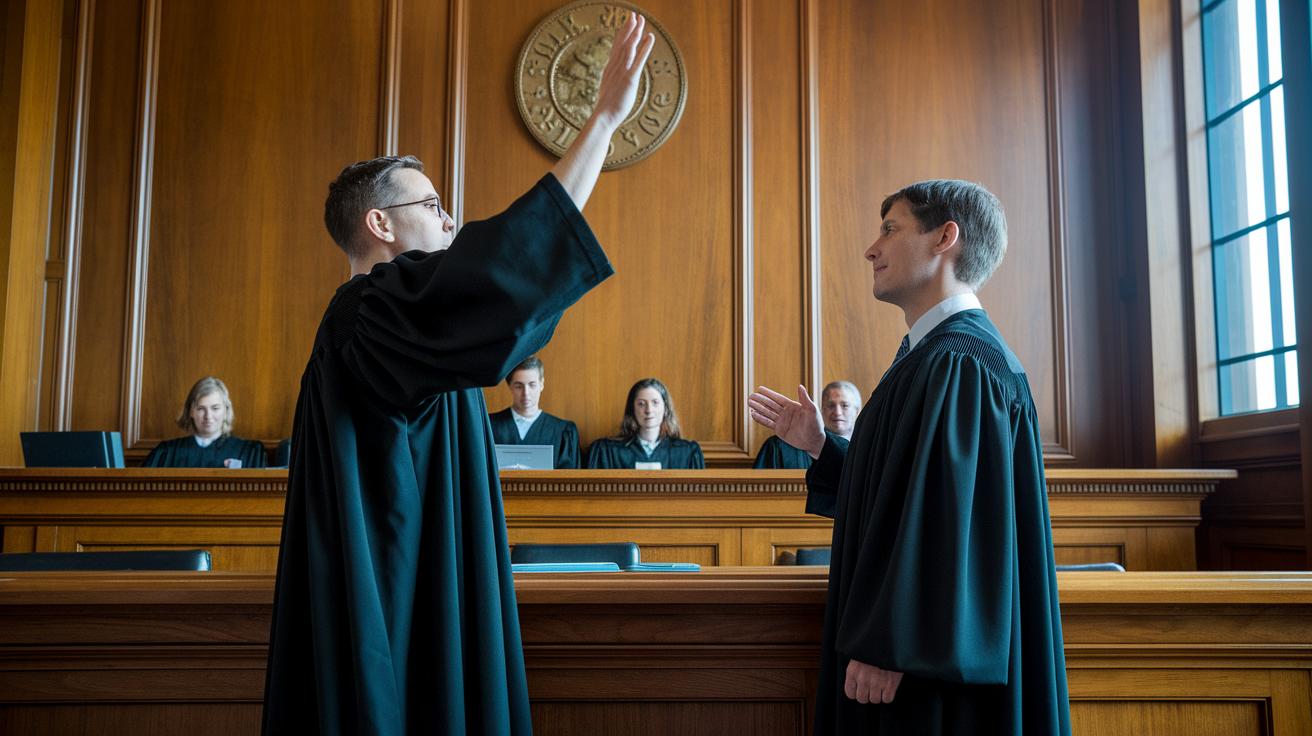
Trial objections help keep court proceedings clear and fair. They let lawyers, law students, and even people representing themselves point out anything that might confuse the case or stray from the facts. This way, the focus stays on real evidence and trustworthy details.
- Relevance Objection: This stops evidence that doesn't directly connect to the case. For example, a 20-year-old conviction might be left out if it could unfairly bias the jury.
- Leading Question Objection: This objection arises when questions hint at their own answers. Think of a situation where the question seems to suggest that a witness already agreed, rather than asking for clear facts.
- Compound Question Objection: Sometimes a single question asks about two or more things at once, like a suspect's whereabouts and their motives. This mix can confuse a witness, so the objection is used.
- Argumentative Objection: When a question is meant more to argue a point than to gather facts, lawyers may object. For instance, asking “Isn’t it obvious the defendant acted wrongly?” aims more to persuade than to inquire.
- Asked and Answered Objection: If a witness is asked the same thing repeatedly after giving a clear answer, this objection flags the repetition to keep the discussion moving.
- Vague Objection: If a question is too cloudy or general, like asking broadly about events without mentioning specifics such as when or where, it can be objected to for lack of clarity.
- Speculation Objection: Witnesses should stick to what they actually saw or know, not guess about unknown details. When they’re pushed to estimate someone’s hidden intentions, this objection applies.
- Hearsay Objection: This comes into play when a witness shares secondhand information, like what someone else said, instead of speaking from personal knowledge.
- Privilege Objection: Some talks, especially between a lawyer and their client, are private. If a question tries to bring those confidential conversations into court, it earns a strong objection.
- Best Evidence Rule Objection: This one requires that only the original documents are presented instead of copies. For example, insisting on the original contract helps prove its true authenticity.
Next, lawyers follow clear, step-by-step methods and timing strategies to bring up these objections at just the right moment. This way, they ensure that every piece of evidence is carefully challenged and that the courtroom stays on track.
Objecting Effectively: Timing and Procedure for Trial Objections
When you object in court, doing it at the right moment is really important. Objections help keep things clear and fair, and they make sure the evidence is questioned in the proper way. The judge’s guide breaks down exactly how to handle an objection. Following these steps helps ensure your challenge comes at the right time.
Here’s a simple numbered checklist:
- Stand up or use a clear gesture to signal the judge.
- Say “Objection!” loudly and clearly as soon as you spot an issue.
- Mention the specific rule you’re relying on, like FRE 403 or a rule about hearsay (hearsay is when information is repeated without firsthand knowledge).
- Pause and wait for the judge to say “sustained” or “overruled.”
- Follow the judge’s decision by either stopping the question or shifting your next move.
Using these steps keeps things orderly, reduces confusion, and helps you steer the trial process with confidence.
Strategic Use of Trial Objections to Shape Courtroom Narratives

Defense teams use objections as a way to safeguard the story they want to tell about their client. They object when questions seem to push opinions instead of sticking to the facts. For example, if a prosecutor keeps asking questions that hint at a particular answer, a defense lawyer will object. This stops the witness from being trapped into agreeing with a biased idea and helps keep the story clear and believable.
Prosecutors, on the other hand, focus on challenging any evidence that might hurt their case. They might object to hearsay, that is, secondhand information that isn't reliable, or use privilege objections to block private talks from confusing the facts. By making the other side rephrase tricky questions, they ensure that the evidence remains solid. This approach not only strengthens their argument but also helps win over the jury.
Objections made at the right moment can really change the flow of a courtroom. Both sides use them to cut off confusing testimony or stop irrelevant evidence, keeping the focus on the most important facts. When an objection is timed perfectly, it makes everyone rethink their questions, leading to a fairer and clearer discussion.
Learning and Practice: Resources for Mastering Trial Objections
There are plenty of resources out there to help you learn trial objections by doing. Videos let you see how experienced lawyers object in real time, like watching a courtroom scene where an attorney challenges hearsay during a mock trial. Courses on trial procedures break things down step by step, while special modules focus on tricky topics like hearsay and evidence rules, making the rules clear with real-life examples. You can also dive into articles, expert advice, and live mock tests that give you a feel for actual courtroom practice.
To really build your skills, mix these tools into a steady study routine. Try setting up regular sessions to practice objections and join mock hearing drills with friends or colleagues. Workshops with expert feedback are also a great way to get you ready for real-life court situations by simulating the pace and pressure of a courtroom. This hands-on practice helps boost your confidence and quick-thinking, so you’re ready to object effectively when it matters.
Case Studies and Precedents: How Trial Objections Have Influenced Outcomes
In a federal case about DNA evidence, the judge ruled against using certain witness details. A witness gave secondhand information that wasn’t from their own eyes, and the judge felt this could confuse the facts. He explained that relying on such testimony might lower the credibility of the evidence. As a result, the judge kept out those unreliable statements, making sure the trial stayed true to facts that could be checked. It’s a clear example of how a well-timed objection can change the course of a trial and help keep the court process fair. For more details on this case, see the federal court case lookup.
In another case, there was a big dispute over a contract. This disagreement turned on the proper use of the Best Evidence Rule. One side tried to use a copy of an important document instead of the original. The judge disagreed with that idea and insisted on seeing the original document to prove its authenticity. This decision not only kept things fair but also helped clear up any confusion about what the contract really said. In both these examples, careful and proper objections played a crucial role in guiding the trial and ensuring that the evidence was sound and trustworthy.
Governing Rules and Jurisdictional Variations in Trial Objections
Federal evidence rules like FRE 801-803 set clear steps for what can go into a trial. They help keep things fair by leaving out evidence that might be untrustworthy or too biased. For example, these rules limit hearsay, which means statements made by someone who did not see the event happen. In short, these rules act like a roadmap for lawyers in many courts, so they know when to raise an objection.
In New York, the rules work a bit differently. The state law CPLR 4518 sets out special limits on privacy and privilege. Sometimes, New York courts let a broader exception for hearsay challenges than federal courts do. This means that if you’re a lawyer working in New York, you have to tweak your approach because a trial objection here might be handled in a different way than in federal court. For local rulings, check out nj court case lookup.
Attorneys need to know these differences when they build a case. By comparing the federal rules with state rules like those in New York, they can shape their arguments to match each court’s needs. This helps them predict potential issues and prepare strong objections that hold up well in court.
Final Words
In the action, this article took us through the vital role of trial objections. It started with a clear overview, explored common objection types, and outlined the steps to object effectively during proceedings. We also looked at how strategic objections can change courtroom dynamics and reviewed hands-on practice resources along with instructive case studies. Each section offered useful, real-life examples to show how trial objections keep courtrooms fair and efficient. The insights here leave us with both a better grasp of legal tactics and a positive outlook on continued learning.
FAQ
Q: What are objections in a trial and what do they do?
A: The term “objections in a trial” refers to the tools lawyers use to challenge evidence or testimony. They help maintain fairness by preventing misleading or improper material from influencing the court.
Q: What are the three types of trial objections?
A: The three primary objection types generally include challenges based on hearsay, relevance, and procedure. They target issues concerning secondhand information, unrelated facts, and incorrect courtroom practices.
Q: What is the most common objection in court?
A: The most common objection in court is the hearsay objection. This challenge disputes secondhand statements to keep only direct and reliable evidence on the record.
Q: What does a trial objections cheat sheet include?
A: A trial objections cheat sheet outlines key objections such as hearsay, relevance, leading, and argumentative issues. It offers quick reference responses and cites applicable rules to aid effective courtroom challenges.
Q: What is a reasonable objection in a trial?
A: A reasonable objection is one that is well-founded on accepted rules and evidence standards. It serves to exclude material that might be misleading or prejudicial, thereby protecting the fairness of the trial.
Q: How do mock trial objections differ from real trial objections?
A: Mock trial objections replicate the challenges used in real trials for practice purposes. They give law students and self-represented litigants a chance to refine their courtroom skills by simulating genuine legal scenarios.