

Have you ever wondered why driving feels like you're agreeing to a secret deal? When you get behind the wheel, you're also accepting that a blood test might be needed if a police officer thinks you're not safe to drive. It might surprise many drivers to learn that having a license means agreeing to these tests.
In simple terms, this rule is called implied consent. That means by driving, you kind of say, "Yes, I agree." Next, this article digs into how these rules work in DUI cases and why they matter for everyone on the road.
Imagine that steady pulse of concern when you hear a police siren, knowing these guidelines help you understand your rights and keep the roads safer for all of us.
Implied Consent Law: Definition and Core Principles
When you get a driver’s license and start driving on public roads, you automatically agree to take a chemical test, like a blood, breath, or urine test, if an officer thinks you might be impaired. This isn’t a new deal made during a traffic stop; it’s simply part of the deal you accept when you decide to drive.
Many drivers are surprised to learn that the moment they receive a license, they also agree to these testing procedures if needed. Every state uses this law as a way to keep roads safe. If an officer sees signs like erratic driving or catches the smell of alcohol, they can ask for a test, and that evidence can be crucial in proving a DUI case.
Understanding this idea is important because it shows that the law helps protect everyone. If you refuse to take a test, that choice can hurt your case in court. In simple terms, deciding to drive means you also accept certain responsibilities to help keep the roads safe.
By agreeing to these conditions, drivers help create a system that quickly spots and stops impaired driving. This lowers accident risks and makes sure everyone on the road stays as safe as possible.
State-by-State Variations in Implied Consent Law

States in the United States still have implied consent rules, but they handle them differently. For example, in Indiana, if your blood alcohol content (BAC) reaches 0.08% or more, it counts as illegal intoxication. But drivers under 21 face stricter limits, sometimes as low as 0.02%, showing how rules change with age.
In California, officers often use quick, roadside breath tests to check for alcohol. Texas takes a firm approach, with law enforcement following set steps carefully to make sure tests are fair. New Jersey sometimes adds extra steps; if a more invasive test is needed, they might get a warrant before taking your blood. Similarly, in parts of Georgia, drivers might face strict procedures and severe penalties if they refuse a test.
In states like New Hampshire, North Carolina, and South Dakota, officers may need to secure a warrant before drawing your blood. This careful method balances protecting your rights with keeping roads safe. Also, if you refuse a test, the length of your license suspension can vary and might include extra rules like requiring a device that prevents your car from starting until you’re back in compliance.
Here are a few key differences:
- Some states set a clear limit like 0.08% BAC, while others have tighter rules for younger drivers.
- In certain states, a warrant may be needed for blood tests, giving drivers so-called additional legal protection.
- Suspension times and extra penalties vary, impacting how soon you can drive again.
| State | BAC Limit | Blood Test Rules | License Consequences |
|---|---|---|---|
| Indiana | 0.08% | Not needed if there’s strong evidence | Long suspension period |
| New Jersey | 0.08% (0.02% for those under 21) | Warrant may be required | Extended suspension |
| Texas | 0.08% | Quick roadside breath tests | Penalties vary by case |
| Georgia | 0.08% (0.02% for younger drivers) | Extra warrant conditions can apply | Immediate suspension with possible device rules |
Implied Consent Law: DUI Blood Test Insights
When cops suspect a driver might be impaired, they look for clear signs like shaky driving, the smell of alcohol, or failing simple sobriety checks. They need solid evidence before asking for a chemical test. Imagine a driver who can’t keep a steady speed and weaves between lanes, that’s enough for an officer to request a breath test.
Officers usually explain the testing process and let drivers know what happens if they refuse. They remind you that once you get behind the wheel, you’ve already agreed to these tests. It’s a bit like accepting the rules of a game before you play. So if you say no, you might face penalties like a suspended license, and that refusal could be used against you in court.
Here are the three main tests:
- Breath tests: These use a roadside breathalyzer for quick results.
- Blood tests: These give a more accurate picture. They’re usually done at a medical facility and sometimes require a warrant for extra care.
- Urine tests: These are less common and may be used when checking for substances other than alcohol.
Law enforcement must follow rules that protect both your rights and public safety. They make sure you know that you have a duty to comply and warn that refusing a chemical test might make your legal situation even tougher.
Think of it like following a recipe: gather the facts (like erratic driving, the smell of alcohol, and failed sobriety checks), mix in the officer’s advice, and you’ve got a solid base for the next legal steps.
Implied Consent Law: Penalties for Test Refusal and Non-Compliance
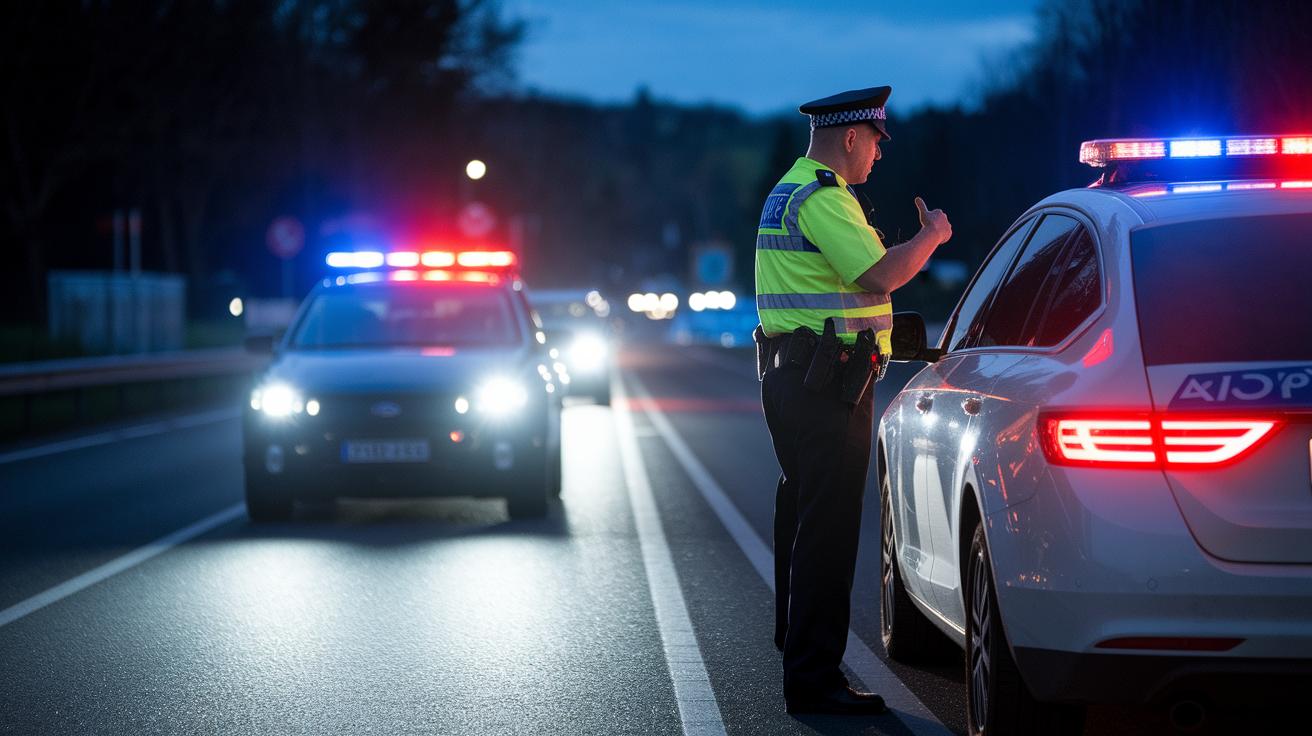
If you refuse a chemical test during a DUI stop, you face immediate state-imposed penalties. In many states, this decision means your license will be taken away for six months to a year. For instance, turning down a breath test might result in an eight-month suspension, an example of how heavy these consequences can be.
Courts sometimes see your refusal as a sign that you might be hiding the truth. One officer put it plainly: "Refusing a test can hurt your case as much as failing one." It’s a clear message that saying no can backfire in a court of law.
Many places also require you to install an ignition interlock device on your car before you can drive again. This means more hassle and extra penalties, on top of your license suspension.
Common consequences of refusing a test include:
- Suspension of your license (anywhere from 6 months to 1 year, depending on the state)
- Your refusal being used as evidence to support DUI charges in court
- A rule that forces you to install an ignition interlock device once you get your license back
- Higher administrative fines and longer legal battles
Putting all these details together shows just how quickly saying no to that test can worsen your legal problems. It’s a tough lesson in why sometimes taking a test might be the lesser of two evils.
Implied Consent Law: Key Case Law and Statutory Examples
Back in 1966, Schmerber v. California set a big precedent. In that case, the court decided that when there’s a real emergency, police can draw blood without a warrant if they have strong reasons to believe a driver is impaired. Imagine an officer noticing swerving and the smell of alcohol, it shows how the law supports quick actions to keep our roads safe.
Then in 2013, Missouri v. McNeely took things a step further. Instead of using a one-size-fits-all approach, this decision requires officers to show specific reasons for taking a blood sample without a warrant. In other words, each case is judged on its own facts to make sure a driver’s rights are respected.
In 2016, Birchfield v. North Dakota cleared up the differences between chemical tests. The court pointed out that while breath tests can be done without a warrant because they’re less intrusive, blood tests need extra protection under the Fourth Amendment. It’s a simple idea: not every test is created equal, and some need more careful handling than others.
These important rulings help balance individual rights with public safety in DUI cases, ensuring that quick action is taken when needed, but always based on the specific details of the case.
Implied Consent Law: Defense Strategies and Legal Challenges

When it comes to defending DUI cases involving chemical test refusals, lawyers often argue that drivers didn’t fully understand or agree to the testing process. They push back against the idea that a driver automatically gives permission. In fact, you might hear a driver say, "I never got a clear explanation of my rights," which points straight to a problem with how the warning was given.
Defense teams usually focus on a few key points. First, was there enough evidence, like erratic driving or the smell of alcohol, to justify the test in the first place? That's what we call probable cause, meaning enough facts must be present for the officer to act. Next, consider the equipment. A faulty breathalyzer or poorly maintained blood testing kit can really weaken the case. For example, one lawyer might explain, "My client's device showed inconsistent readings, suggesting it was more a technical issue than real impairment."
Another angle is whether the officer followed all the required steps. Officers need to clearly explain the consequences of refusing a test. If they rushed through this, it could hurt the prosecution. In cases involving invasive tests like blood draws, a warrant might have been needed. Missing that step could make the test invalid by default. And sometimes, a genuine medical emergency might mean that a proper test couldn’t be performed, which also serves as a strong defense.
By focusing on these areas, defense attorneys shift attention from the idea of implied consent to potential procedural mistakes or technical failures. Their aim is simple: to guard drivers from the heavier penalties that might come with a test refusal.
Implied Consent Law Compliance: Motorist Rights and Best Practices
When you get behind the wheel, you're also agreeing that you might have to take a chemical test if an officer thinks you're impaired. It’s really important to know your rights during an alcohol testing stop. So, if you get pulled over, ask the officer to explain exactly what the test means and what could happen if you refuse, like a possible license suspension. This way, you’re fully clued in on both your rights and your responsibilities.
A good tip is to ask for clarification if anything about the testing process isn’t clear. For instance, if they ask for a blood test, don’t hesitate to ask if they have a warrant for it. You might say, "Could you confirm if you have a warrant for this blood test?" This simple question helps ensure that the officer is following the proper steps, which can really help if you ever need to question the test later on.
It also helps to double-check any instructions the officer gives you and politely request any paperwork that explains the test process. Knowing all these details can reduce the risk of facing extra penalties. By staying informed and cooperating calmly, you can help make the situation fairer and keep your legal standing in check.
Implied Consent Law for Underage Drivers and Zero-Tolerance Policies

Underage drivers must follow very strict rules when it comes to alcohol. They aren’t allowed to have any drink at all, which means their blood alcohol concentration (BAC) must be as low as 0.00% or sometimes just a tiny bit of 0.02%. When a teen is pulled over, the officer will ask for a chemical test to see if they’ve been drinking.
If the teen turns down the test, they face quick penalties like losing their license right away and having to install an ignition interlock device. This device stops the car from starting if it senses alcohol. For example, there was a case where a 17-year-old refused the test and immediately lost driving privileges until an interlock system was put in place.
Recent reports show that these strict rules have helped lower the number of alcohol-related problems among young drivers.
Key points:
- BAC limits for young drivers are between 0.00% and 0.02%
- Refusing the test leads to instant penalties
- Stricter enforcement seems to be reducing incidents with teen drivers
| Criteria | Underage Drivers | Adult Drivers |
|---|---|---|
| BAC Limit | 0.00% – 0.02% | Typically 0.08% (varies by state) |
| Penalties for Test Refusal | Immediate license suspension, ignition interlock requirement | Administrative penalties such as fines or license suspension |
Final Words
In the action, the post explained how implied consent law works, from basic definitions to specific testing procedures. It reviewed state variations, penalties for refusing tests, and key court rulings that shape enforcement. The discussion even touched on defense strategies and best practices for drivers, including underage cases. The article provided a clear roadmap of rights, obligations, and legal outcomes, helping readers see the real impact on everyday driving. Stay informed and positive as you use these insights to make well-founded legal choices.
FAQ
What is the implied consent law?
The implied consent law means that by obtaining a driver’s license, you automatically agree to submit to chemical tests if a police officer suspects you are under the influence.
What counts as implied consent and how is it applied in driving?
The implied consent rule applies when you drive, meaning you agree to tests like breath, blood, or urine if law enforcement suspects impairment during a traffic stop.
Can you give an example of implied consent law in action?
A typical example is when a driver is pulled over for erratic driving and agrees to a breath test; that agreement is assumed by their decision to drive, demonstrating implied consent.
What constitutes a violation of the implied consent law?
A violation occurs when a driver refuses to submit to a mandated chemical test during a DUI stop, resulting in penalties like license suspension and potentially harsher DUI charges.
How do state variations like in California, Texas, NJ, and Georgia affect implied consent rules?
While the basis for implied consent is the same, details such as penalty lengths, warrant needs for blood tests, and administrative practices differ in states like California, Texas, New Jersey, and Georgia, altering enforcement.
How does implied consent law apply to minors?
For minors, implied consent laws enforce strict rules and zero-tolerance limits for alcohol. Underage drivers face immediate penalties like license revocation if they refuse or fail required tests.
What does implied consent mean in a medical context?
In medical settings, implied consent means that by seeking treatment, you are assumed to agree to routine tests and procedures without needing separate written permission, unless you specifically object.