

Have you ever thought about how our ancestors took a world full of chaos and made it peaceful? Long ago, before there were formal laws, people solved their problems by sitting down for simple talks and meeting as a community with trusted elders leading the way.
Imagine a community gathered in a humble meeting place, where elders listened carefully and helped settle disputes. These early ways of handling conflict built trust among neighbors and set a pattern for fairness. In a way, they created the first steps toward the legal systems we know today.
Isn’t it interesting how a calm talk could change lives? These methods remind us that even simple, honest conversations can lay the groundwork for peace and order in our everyday lives.
Foundations of Early Dispute Resolution Mechanisms
Dispute resolution began long before we had written laws. Early humans relied on simple talks and community gatherings to work out disagreements. In small communities, elders and kinship councils helped keep the peace without using force. In ancient Sumer, between 4500 B.C. and 1900 B.C., temple and village elders followed set rituals to settle conflicts, practices that laid the groundwork for how we mediate today.
Consider King Solomon’s famous case from around 960 B.C. in ancient Israel. Before he became well-known, Solomon used his wisdom to untangle a complex child custody dispute. Instead of turning to violence, early societies trusted respected, neutral voices to decide tough issues.
These early techniques weren’t merely temporary fixes. They formed the basis of alternative justice systems at a time when organized legal frameworks didn’t exist. Communities leaned on shared customs and mutual respect to guide their decisions. In doing so, they showed that peaceful conflict management has always been about building trust and honoring cultural values.
For a quick look at legal history, check out a brief overview at legal history. The lessons from those early days continue to shape how we resolve disputes today.
Timeline of Dispute Resolution Mechanisms Across Civilizations

From small, early communities where neighbors simply talked things out, our way of solving conflicts has come a long way. In ancient days, people chose mediation, a method of talking through disagreements, to keep things fair and avoid real fights. This move away from using force, toward calm discussion, is a big reason why our modern legal systems work as they do.
In Sumer, wise elders would gather to sort out disputes about land and trade. This early form of peaceful negotiation laid important groundwork. Then, around 960 B.C. in Israel, King Solomon stepped in to help resolve a sticky child custody case. His fair approach set a standard for impartial, thoughtful conflict resolution. In China, the famous thinker Confucius, living in the 6th to 5th centuries B.C., also promoted mediation as a way to maintain harmony without harsh legal actions.
Fast forward to more recent times. In the early 1900s in the United States, social unrest led to informal mediation efforts, especially in labor issues, to ease rough working conditions. Then, by the 1970s, as court calendars grew busier, U.S. courts began to include formal mediation programs to settle disputes quicker and more efficiently.
| Milestone | Date/Timeframe |
|---|---|
| Sumerian elder council rulings | 4500 B.C. |
| Solomon’s courtroom mediation | c. 960 B.C. |
| Confucian mediation principles | 6th–5th c. B.C. |
| U.S. labor mediations | Early 1900s |
| Federal court mediation programs | 1970s |
origins of dispute resolution mechanisms spark legal wisdom
Across many cultures, solving disagreements grew naturally from community traditions and the strong wish to keep peace. In Confucian China, people learned to work out conflicts by speaking calmly instead of handing down harsh decisions. For example, imagine a small village where elders would share a simple meal to mend old conflicts. It’s a warm reminder that making peace can be as natural as breaking bread.
In the Middle East, local leaders like tribal sheikhs and temple figures led thoughtful discussions based on customs passed down through generations. They didn’t force strict rules but helped everyone find common ground using the traditions they cherished.
Native American tribes also show us a gentle path to resolving disputes. Their councils held meetings where every person got a chance to talk and listen, making sure that every solution echoed the group’s shared values.
In medieval Europe, guild tribunals played a key role too. Merchants and skilled craftspeople would choose trusted community members to settle trade disagreements, which kept their business relations strong and fair.
All these time-tested practices helped build the modern ways we resolve conflicts today. They remind us that, long before strict laws were written, people trusted in honest conversation, respect, and shared traditions to overcome differences.
Evolution of Mediation Practices From Antiquity to Today

Earlier, we touched on mediation’s rich history in community traditions. Now, we look at how modern mediation has evolved with clear legal standards. Today, bodies like the Mediation Centre Foundation, created under the Indian Companies Act (which governs company operations in India), bring a formal edge to resolving disputes. This modern style respects old ways while adding rules that make agreements enforceable. A mediator might explain, "We honor our traditions, but today's rules help us turn words into real actions."
| Stage | Period | Key Characteristics |
|---|---|---|
| Ancient Israel | c. 960 B.C. | Royal arbitration |
| Sumer | 4500–1900 B.C. | Temple-based councils |
| Confucian China | 6th–5th c. B.C. | Harmony-oriented |
| U.S. Courts | 1970s | Judicial mediation programs |
| Modern Global | 2000s–Present | NGO and institutional ADR |
Ancient Arbitration Practices and Customary Traditions
This section gives clear examples without repeating earlier details. In old communities, people trusted experienced voices to settle disagreements. Tribal elders used time-honored customs to resolve local issues, much like friendly guides offering fair advice. In medieval Europe, local trade disputes were sorted out by panels of elected merchants, keeping the marketplace running smoothly.
In early Scandinavian lands, ombuds offices were set up to provide neutral help. Meanwhile, special administrative panels took on challenges in labor and maritime disputes, ensuring a fair process for everyone involved.
- Tribal elder arbitration based on local traditions
- Medieval trade panels with elected merchant arbitrators
- Ombuds offices in early Scandinavian societies
- Administrative panels handling labor and maritime issues
Comparing Traditional and Modern Dispute Resolution Mechanisms
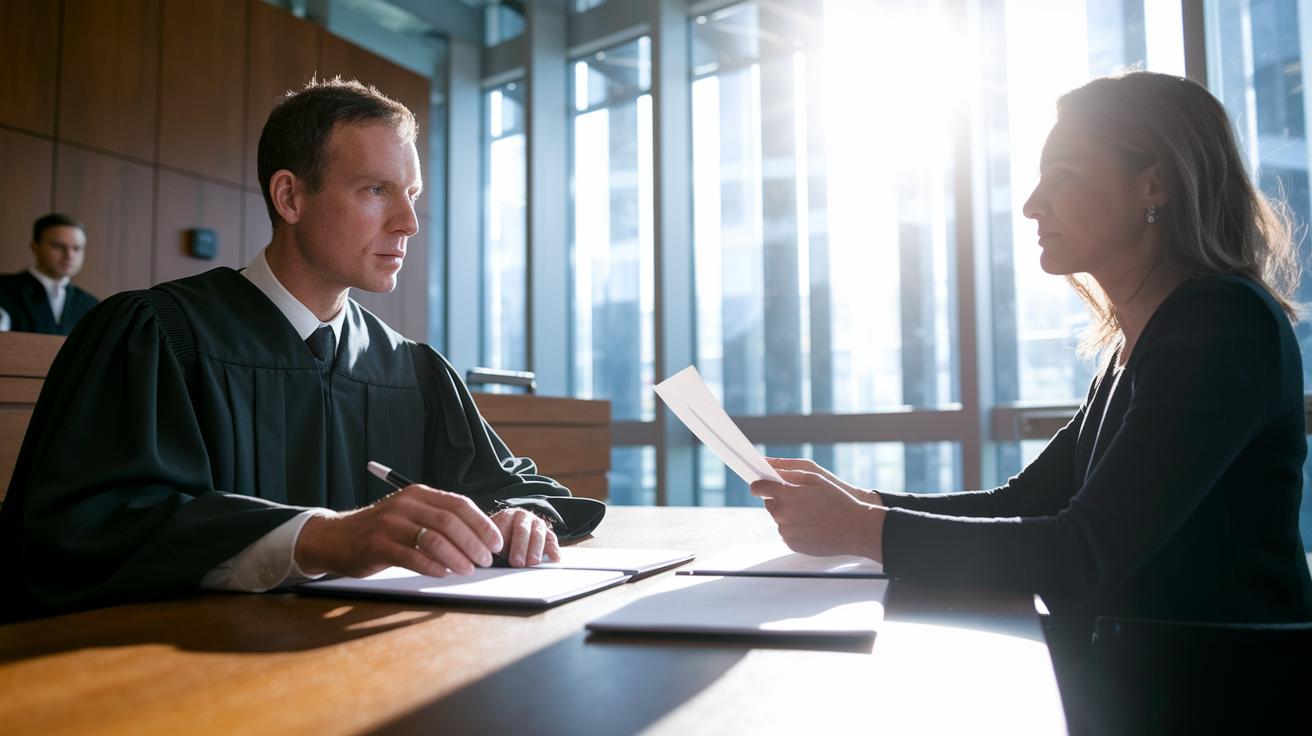
Legal experts are now mixing community-based ideas with formal legal systems to add real impact in courts. Instead of repeating old methods, they are focusing on how this fresh blend changes courtroom outcomes. For example, one state court solved a business dispute using both methods. A judge remarked, "This method combines the strengths of both worlds, balancing mutual respect with clear, enforceable results."
Many legal professionals see that old-school ideas of agreement and respect guide mediators well. Pairing these time-tested values with formal rules often leads to faster and fairer outcomes in tricky cases. One experienced mediator said, "By using long-held principles of fairness, we can follow today’s legal standards and deliver quick results."
| Aspect | Current Impact |
|---|---|
| Community-Based Principles | Enhance fairness and respect during legal talks |
| Formal Legal Frameworks | Provide clear, enforceable decisions |
This mix of old ideas and modern rules offers new ways to think about legal reform. One case shows that a local business dispute solved through both methods not only saved court time but also helped maintain strong, long-lasting relationships among those involved.
Case Studies in the Origins of Dispute Resolution Mechanisms
Back in ancient Israel, King Solomon’s approach to settling disputes remains a powerful example of fairness. In a famous case, he suggested dividing a child between two claimants to expose the real feelings at play. This clear and culturally tuned tactic shows us how personal ethics and community values influenced early conflict resolution.
Modern methods have grown from these timeless ideas. In 1934, the U.S. National Mediation Board was set up to handle railroad labor disputes by using straightforward, organized procedures that stop conflicts from ballooning into drawn-out legal fights. This blend of tradition and structure makes the process both efficient and reliable.
Similarly, the Mediation Centre Foundation, officially registered under India’s Companies Act in the 21st century, illustrates how age-old practices can evolve. It takes familiar cultural lessons and refines them within a modern, regulated framework, proving that tradition can work well with structured oversight.
- Solomon’s arbitration (960 B.C.): A classic case where cultural insights shaped a fair decision.
- U.S. National Mediation Board (1934): A pioneering example of formal mediation in labor disputes.
- Mediation Centre Foundation (21st c.): A modern take on traditional practices, integrated into a structured system.
Final Words
In the action, this article explored how early societies solved conflicts through mediation and arbitration. We saw how elders, temple councils, and figures like King Solomon set the stage for today's legal methods. Each section highlighted key moments from ancient settlements and early case studies that shaped modern practices. The discussion on the origins of dispute resolution mechanisms shows us that history guides us toward more thoughtful and effective conflict resolution. Embracing these lessons creates a positive outlook for building trust and understanding in legal systems.
FAQ
Frequently Asked Questions
What is the origin of dispute resolution and alternative dispute resolution?
The origin of dispute resolution begins in ancient times, when communities used kinship councils and elder mediation to settle conflicts before formal courts existed.
What are the traditional dispute resolution mechanisms?
Traditional dispute resolution mechanisms include methods like mediation, arbitration, and customary councils, which relied on community norms and elder guidance rather than formal legal rulings.
What is an alternative dispute resolution mechanism?
An alternative dispute resolution mechanism is a process where a neutral third party helps resolve conflicts outside of the court system, offering a more flexible and personal approach to settlement.
What are examples and types of alternative dispute resolution?
Examples include mediation and arbitration, while other types may involve negotiation and conciliation, each focused on achieving fair outcomes without lengthy court procedures.
What are the advantages of alternative dispute resolution?
The advantages of alternative dispute resolution are quicker processes, lower costs, confidentiality, and the ability for parties to shape their own agreements in a less adversarial setting.