

Have you ever wondered how our laws connect to ancient empires? It’s interesting to see how many rules today still come from colonial times, that is, when one country controlled another. In fact, a well-known study found strong ties between these old systems and our modern legal practices. This blog will walk you through the origins of our legal traditions and ask whether rethinking past ideas might give our laws a fresh perspective today.
Colonial Foundations of Legal Origins
In a 2011 study, Klerman, Mahoney, Spamann, and Weinstein found a strong connection between old colonial policies and the legal systems we have today. They discovered that many countries based their laws on rules set by European colonizers, showing how as these powers expanded, they carried their legal traditions along. Ever wondered how legal codes ended up so similar to the ones from long-ago empires? A well-known study revealed just that, demonstrating how colonial influence still shapes legal practices worldwide.
British, French, Spanish, and Portuguese empires didn’t just take over lands, they also brought their law codes with them. British common law grew out of a system where lawyers argue their cases in a lively courtroom, while French and Spanish traditions leaned more on a questioning, investigative style. Each of these approaches created its own family of legal practices that still resonate today.
Today’s legal systems continue to reflect those old rules, even though many countries have tweaked them to suit local needs. Imagine it as a scale: on one side, historical legal codes hold significant weight, while on the other, modern reforms try to balance tradition with today’s demands. This blend of inherited rules and new ideas shows how deeply colonial origins are embedded in courts and laws around the world.
Emergence of Legal Families from Imperial Law Genesis
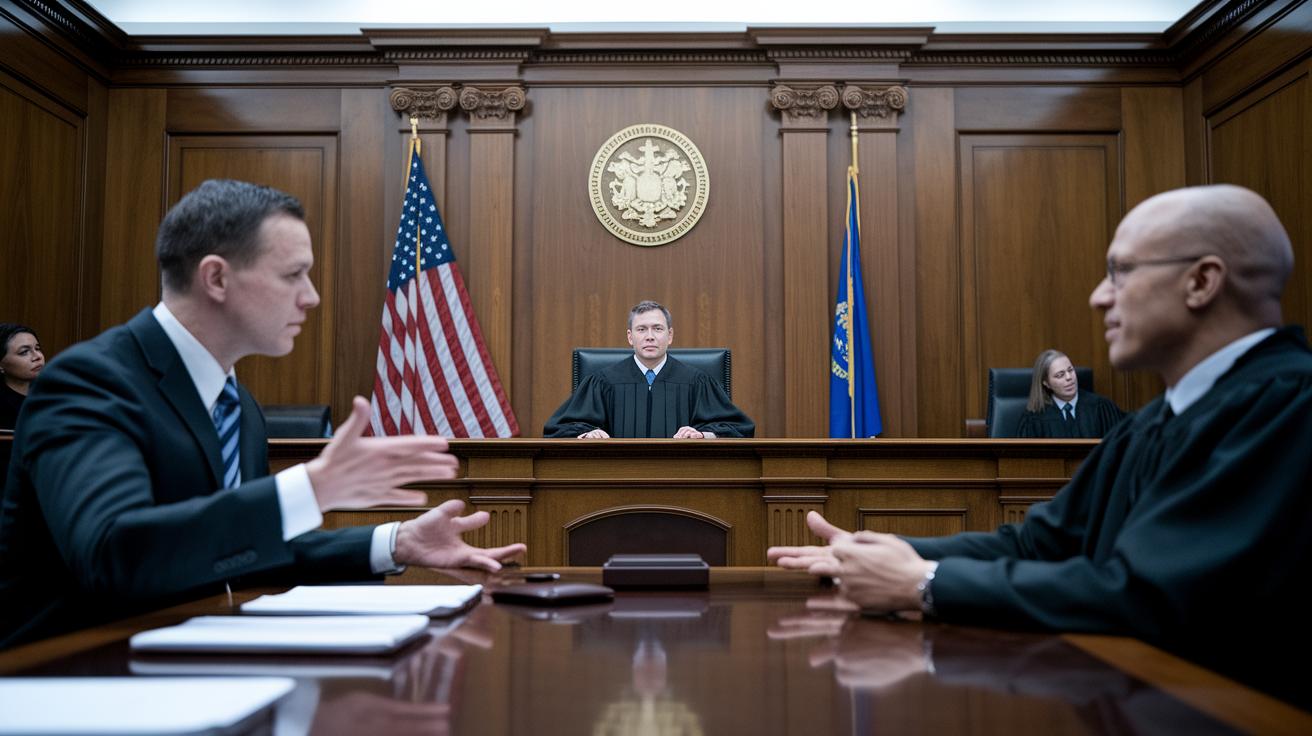
European colonial powers spread their legal ideas across the world. Over time, these ideas grew into different legal families like common law, civil law, and mixed systems. These legal families come from the traditions brought by the colonizers and still influence the way courts work today. Mixed systems, for example, take parts of both common and civil law to better fit local needs. Imagine a courtroom that mixes the lively feel of a debate with the careful steps of an investigation; that’s what a mixed system is all about.
| Legal Family | Colonial Power | Key Procedural Feature |
|---|---|---|
| Common Law | British | Adversarial |
| Civil Law | French/Spanish | Inquisitorial |
| Mixed System | Portuguese/Other | Hybrid |
This old setup still affects the laws and court practices in many countries. Common law courts focus on lively debates, civil law courts on deep investigations, and mixed systems blend both styles to serve their unique communities.
Colonial Impact on Legal Origins Across Former Colonies
Studies comparing legal systems left by colonial powers show that different empires set up their own rules and courtroom styles. Each power brought its own legal traditions, and these traditions often looked a lot like the ideas and practices back home. Looking at these differences helps us see why courts work so differently around the world today.
- United States (since 1776): The U.S. still uses many ideas from British common law. Over time, it has grown with new rules in the Constitution and changes in society.
- Mexico and Argentina (since around 1816/1821): Both countries got a solid legal foundation from Spanish civil law. After becoming independent, they adjusted these rules to fit their local needs.
- India (since the Indian Penal Code of 1860): In India, British common law mixed with local traditions to create a unique legal system that uses both written laws and age-old practices.
- South Africa (since 1910): South Africa developed a mixed legal system that blends colonial influences with newer reforms made after independence.
In every country, native customs and changes after colonial rule have helped reshape these imported systems. Nations have tweaked their legal rules to better fit local culture, community values, and economic demands. For instance, in the U.S., judges and lawmakers introduced fresh ideas through constitutional changes, while in India, the old British system was adapted to honor local customs. Similarly, South Africa and Latin American countries have modified their legal traditions to address modern challenges. This shows that the legal roots from colonial times continue to guide new changes today.
Non-Legal Colonial Factors and Legal Origins
Klerman and his team looked at places where the legal system inherited from a colonizer did not exactly match the local way of running things. They studied regions where a formal legal code, rules written down by one power, was mixed with different administrative practices, property rules, and styles of governance from another. This kind of mix helped them show that many non-legal factors deeply influence court procedures and even economic growth. Ever wondered what happens when a colony uses a legal code from one country while its day-to-day administration follows another tradition? This approach lets us separate the impact of formal laws from the wider legacy of colonial rule.
Old administrative habits and the way property rights were set up under colonial rule still affect our legal systems today. These non-legal traditions help shape how courts handle cases and even influence local economies. For instance, sometimes outdated methods of governing pave the way for modern reforms that improve legal procedures while still mirroring past colonial patterns. Think of it like updating an old system with fresh methods, today’s courts and economies are still being shaped by this blend of old administration and formal legal codes.
Transformation of Legal Origins in Post-Independence Systems
After gaining independence, many former colonies quickly set out to reshape the legal systems they inherited. Leaders combined old colonial practices with new, homegrown ideas to build stable yet modern legal frameworks. They wanted a system that not only maintained order but also celebrated local cultural values.
Constitutional Reforms in India
In 1950, India took a giant leap forward by adopting a new Constitution and moving away from the older 1935 Government of India Act. This change brought together long-standing British legal traditions and fresh republican ideas that resonated with its diverse citizens. India’s lawmakers mixed established practices with innovative concepts, ensuring that the legal framework honored the country’s rich cultural heritage while meeting modern governance needs. Think of it like updating a favorite recipe by adding local spices, the result was a legal system that combines historical wisdom with a forward-looking approach.
Judicial Adaptation in Nigeria
When Nigeria became independent in 1960, it retained the British-style court system to maintain legal stability during a challenging time. Soon after, however, the nation began to adapt its judicial setup to better reflect local priorities. The creation of a Supreme Court marked an important turning point, as it highlighted a clear move towards including indigenous perspectives and addressing uniquely Nigerian issues. This shift mirrors a broader trend where traditional legal legacies are transformed to meet today’s challenges, ensuring that legal institutions stay connected to the needs of the people.
Enduring Colonial Ordinances in Contemporary Legal Origins

In South Asia, old legal rules like the Indian Penal Code of 1860 and the Pakistan Penal Code of 1860 still shape modern criminal law. Even though these laws have been updated over time, they continue to guide how courts run trials and hand down sentences. It’s amazing that a law written over 150 years ago still plays such a big role today.
Over in East Africa, colonial footprints are clear in the way land is managed. Kenya’s Trust Land Ordinance of 1915 still plays a key role in deciding who gets to use and own land. This rule, set up by early colonial powers, still affects local economies and communities by controlling land use.
Ex-colonies face many challenges when trying to update these old laws. Changing or scrapping them often meets resistance because so many people rely on them for stability. Local governments and legal experts work carefully to reshape rules that fit modern needs, yet the influence of history still looms large, showing just how deep colonial times continue to affect our legal systems.
Evolution of Courtroom Procedures and Legal Origins Under Empire
British legal battles took different paths in colonies across South Asia and the Caribbean. In India, the 1773 Supreme Court of Judicature started a style where lawyers argued in front of a judge much like competitors in a sports match. Back in the 1700s, British barristers in India often clashed with lively debates. These discussions not only set the tone in the courtroom but also helped shape local legal traditions. Here is a timeline of key moments:
| Date | Event |
|---|---|
| 1773 | India’s Supreme Court of Judicature begins using competitive debates in court |
| Mid-1800s | Caribbean courts adopt similar methods with competitive trial practices |
| Late 1800s | British courtroom styles expand and influence modern legal contests |
In French territories, a different trial style emerged in places like West Africa and Southeast Asia. Here, judges took an active role by questioning witnesses and guiding investigations, almost like checking off steps in a school project. For instance, in West Africa during the mid-1800s, judges held sessions to verify every detail before reaching a verdict. And in Indochina, a study from 1900 found that these methods helped form the structured rules we now see in modern courtrooms. Fun fact: In many French colonies, judges once led deep fact-finding missions that resemble today’s organized legal reviews.
Final Words
In the action, this post unraveled how centuries-old colonial policies still echo in today's legal systems. We journeyed through inherited courtroom structures, legal families formed under European rule, and reforms crafted post-independence. The discussion outlined how enduring statutes and courtroom practices remind us of the colonial impact on legal origins. Clearly, understanding these roots helps us appreciate modern legal practices and guides future reforms while carrying a hopeful outlook for continuous improvement.
FAQ
What does the colonial impact on legal origins mean?
The colonial impact on legal origins means that European powers, through their policies, spread their legal systems, creating foundational legal frameworks that still affect modern courts and laws.
What is Legal Origin Theory and what does legal origin data show?
The Legal Origin Theory explains how different legal systems were formed during colonization. Data shows that inherited legal frameworks continue to influence today’s regulatory practices and courtroom procedures.
How does colonization shape legal systems?
Colonization shapes legal systems by transferring legal codes and institutional practices from the colonizers, which blend with local customs and evolve into distinct legal families seen in many former colonies.
What are the three most important legal influences on our legal system today?
The three key influences are British common law, which uses an adversarial approach; French/Spanish civil law, known for its inquisitorial method; and mixed systems, which combine elements from various legal traditions.
How is the colonial legal system different from the original English system?
The colonial legal system differs as it adapts the English legal framework to new environments and local conditions, resulting in variations in procedure and institutional practices that diverge from its roots.
How did British common law influence the US legal system?
British common law influenced the US system by providing a framework of laws and procedures that the United States adopted after independence, shaping its court practices and legal operations.
What role does the judicial branch play in the evolution of law?
The judicial branch plays a role in law evolution by interpreting and applying legal rules, gradually adapting inherited colonial frameworks to address modern societal needs.