

Have you ever wondered if one court ruling could change the way our jobs are protected? In 1937, the US Supreme Court stood up for workers by making a decision that laid the groundwork for many of our labor laws today. This ruling set a new standard for treating workers fairly, and its influence can still be seen in both workplaces and businesses now. In this article, we'll break down the key points of that important case and explain how clear rules help everyone. Isn't it interesting how one decision from long ago can still shape our daily lives?
landmark labor law ruling analysis: clear insights ahead
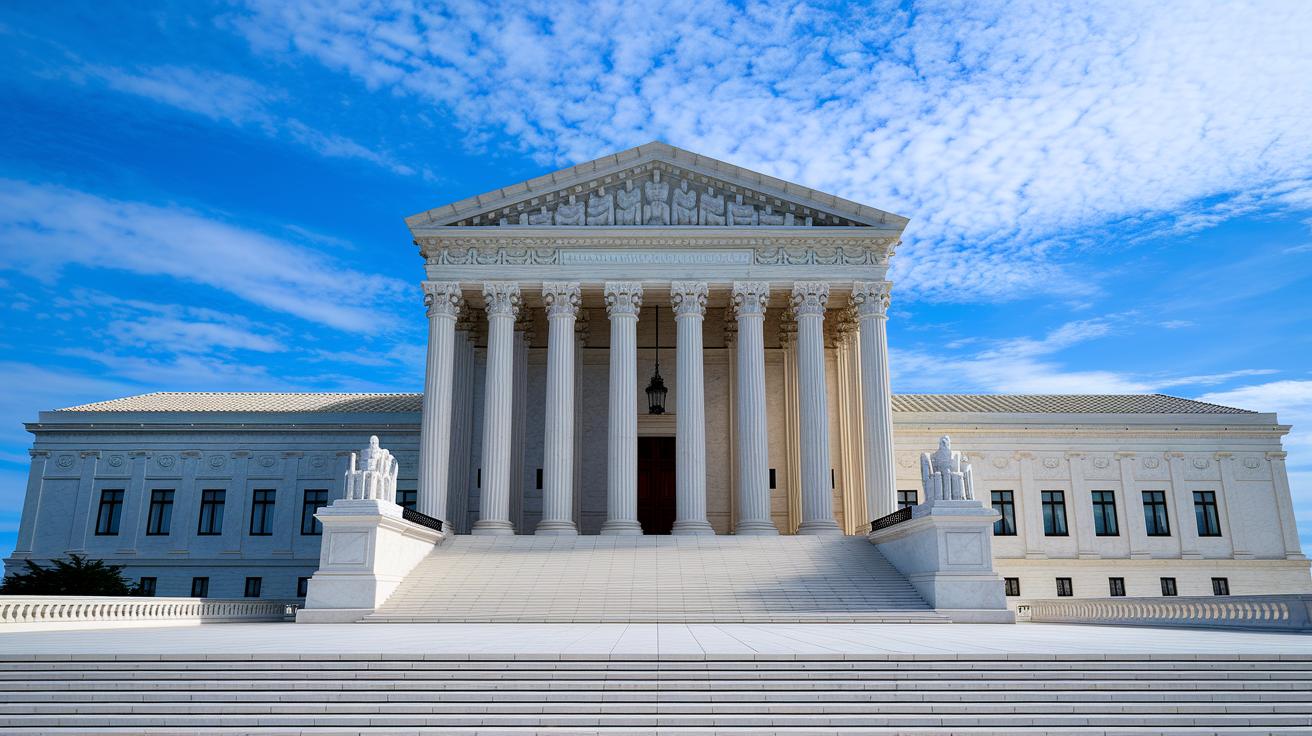
Back in 1937, the Supreme Court made a big decision in the case NLRB v. Jones & Laughlin Steel Corp (301 U.S. 1). This choice changed how labor rules worked across the country. Jones & Laughlin Steel, a major factory from Pennsylvania, had fired ten union organizers during a very hard economic time. The Court said that the Wagner Act, also known as the NLRA, was valid. In plain terms, they ruled that the government can step in, even in local factories, if problems in one area affect trade between states. This gave the NLRB the power to back workers’ right to bargain with their employers and stop unfair work practices.
At its heart, the case asked a simple question: Can Congress make rules about local work conditions when these conditions affect business everywhere? The Court answered yes, saying local actions that touch on trade between states should be looked at by the federal government. This straightforward reasoning helped shape future laws, setting a strong example for protecting labor rights. It shows how a clear set of rules can help guard workers’ rights from coast to coast.
Contextual Background for Landmark Labor Law Ruling Analysis
The Great Depression Economic Environment
Back in the Great Depression, everyday people faced serious money problems. By 1933, over a quarter of workers were out of a job, leaving many families struggling to make ends meet. Workers frequently clashed with their bosses over harsh conditions and low pay. President Roosevelt’s New Deal was an effort to stabilize the economy and support worker rights with fresh policies in a troubled labor market. This rough period paved the way for important legal challenges that eventually reshaped worker protections.
Passage of the Wagner Act
In 1935, lawmakers passed the National Labor Relations Act, commonly called the Wagner Act, to set clear rules for collective bargaining. It also made it illegal for employers to use unfair tactics against workers. For example, when Jones & Laughlin Steel fired ten union organizers at their Aliquippa plant, it sparked a complaint with the National Labor Relations Board. This dispute even reached the Supreme Court and led to a landmark decision (check out the historic analysis here: historic landmark court decision analysis). Built around key safeguards in Sections 7 and 8, this law helped balance power between bosses and workers during a time when both really needed a change.
Judicial Reasoning in Landmark Labor Law Ruling Analysis

This decision changed labor law in a big way. Chief Justice Hughes and the others used what they call the "substantial effects" test. In simple terms, if a local manufacturing problem ends up affecting trade between states, Congress can step in because of the Commerce Clause, the rule that lets Congress manage trade. It’s like saying that a small issue can ripple out and impact the whole country. You can read more about this legal method at recentlegalnews.com?p=1928.
The judges in the majority believed that linking local labor issues to wider economic impacts was both smart and necessary. They argued that a clear national rule was needed to keep up with the fast changes in the economy and to protect workers’ rights. In their view, industries couldn’t just operate without considering how broader economic factors affect everyone.
On the flip side, some judges, like Justice McReynolds, Justice Van Devanter, Justice Sutherland, and Justice Butler, warned that this broad reading could weaken the Tenth Amendment. They felt that stretching federal power too far takes away rights that individual states should keep, and that could upset the balance set by the Constitution.
| Justice Name | Opinion Side |
|---|---|
| Charles Evans Hughes | Majority |
| Louis Brandeis | Majority |
| Harlan Fiske Stone | Majority |
| Benjamin N. Cardozo | Majority |
| Owen Roberts | Majority |
| James C. McReynolds | Dissent |
| Willis Van Devanter | Dissent |
| George Sutherland | Dissent |
| Pierce Butler | Dissent |
This ruling shows a clear tug-of-war between keeping a unified federal rule and protecting the rights of states. Ever wondered how such legal debates impact everyday lives? These disagreements continue to shape how we view and guard workers’ rights today.
Impact Assessment in Landmark Labor Law Ruling Analysis
The ruling did more than clear up local labor questions; it shifted how regulators looked at state job disputes. It became a key moment that helped tie local work issues to the bigger national economy. This connection changed how we think about worker protections, union rights, and even environmental rules down the line.
Digging a bit deeper, the decision nudged companies to rethink their workplace rules. Business leaders started updating their policies to steer clear of triggering federal reviews. Think about it this way: before the ruling, local disputes were usually managed quietly. Afterward, federal oversight encouraged many firms to modernize their practices, sparking a nationwide discussion about state versus national control.
Legal experts still see this ruling as a turning point. They often note how it pushed policymakers to look at local disputes as part of a larger economic framework, influencing later court cases and policy changes.
| Aspect | Fresh Insight |
|---|---|
| NLRB Authority | Set the stage for federal oversight of local work issues. |
| Commerce Clause | Connected state-level disputes to national economic effects. |
| Policy Influence | Led to later changes in civil rights, workplace safety, and union rules. |
Future Implications in Landmark Labor Law Ruling Analysis

This ruling still shapes how we view worker rights and government oversight today. Its impact appears in debates over gig jobs, union efforts, and how power is split between states and the federal government. Judges and lawmakers often revisit this case when they tackle new challenges in both traditional work fields and fresh digital models.
Today, many legal cases use social-science research, which means studying how people and communities work, to support labor rights arguments. This decision was a pioneer by mixing real data into legal debates. As technology changes work and new business practices emerge, legal strategies based on this ruling continue to help guide policy and law updates.
Some expected impacts from this decision include:
- Clarity on how the Commerce Clause (the part of the Constitution that deals with trade and business) applies to workers on digital platforms
- A foundation for the rights of service-sector workers to bargain together
- Setting a standard for uniform, federal workplace-safety rules
- Influencing efforts to unionize remote workers
- A proven method for using social-science evidence in labor cases
Each of these points shows how landmark decisions like this one keep shaping the laws and policies that affect our everyday work life.
Final Words
In the action, we broke down a key decision that reshaped labor rights during tough economic times. We reviewed the legal backdrop, saw how the Court used the Commerce Clause to guide its opinion, and examined the ruling’s effects on today’s employment practices. The discussion paints a clear picture of how these legal shifts continue to influence modern debates on worker rights, union dynamics, and government oversight. Keep this landmark labor law ruling analysis in mind as you track current legal developments.
FAQ
What does the NLRB v Jones and Laughlin Steel case involve and why is it significant?
The case shows how the NLRA was backed by the federal government. It confirmed union rights and prohibited unfair labor practices, building a foundation for modern worker protection.
Where can one find information on local, state, and federal laws?
The answer points to using official government websites, public libraries, and trusted legal research platforms for up-to-date law information.
What are some recent employment law cases in 2024?
This answer highlights that 2024 cases focus on worker rights in new work models. Trusted legal news sites and government sources offer summaries and updates.
What is the United States v Darby case about?
The case confirms federal authority over labor standards by supporting protections for workers established during New Deal reforms.
What was the decision in Wickard v Filburn?
The case expanded federal reach by ruling that even small-scale production can affect national markets under the Commerce Clause.
What common employment law issues are currently being debated?
The answer outlines discussions on fair worker treatment, collective bargaining rights, and disputes over unfair labor practices in workplaces nationwide.