
Have you ever wondered how a few key court decisions helped shape America? The Supreme Court acted like a referee, making choices that still affect our lives today.
Chief Justice John Marshall was a major force behind these changes. In the famous case of Marbury v. Madison, he set up clear rules about fairness and who gets to decide what happens next. This decision, along with others, built the framework we still use in our legal system.
In this post, we look at important cases that changed the rules. They continue to inspire debate in courts and communities alike. It just goes to show that one ruling can have a lasting impact on all of us.
Critical U.S. Judicial Moments That Shaped Legal History
The U.S. government has three main branches, and the Supreme Court plays a big role in settling arguments about federal laws and the Constitution. In the early 1800s, the Court handled several major cases that shaped our legal system. For 34 years under Chief Justice John Marshall, the Court handed down 1,042 unanimous decisions that set lasting legal examples. His rulings still inspire many as shining examples of bold legal thinking.
These decisions gave clear guidance on the limits of federal power and the need to follow constitutional rules. They made sure that government actions respected individual rights while paving a clear path for future legal challenges. In a young nation, these landmark cases helped create a balanced judicial system that mixed tradition with progress. If you're interested, you can learn more by exploring what a landmark ruling is or diving into legal history through these significant cases.
- Marbury v. Madison (1803) – Laid the groundwork for judicial review, showing that the Court can interpret the Constitution.
- McCulloch v. Maryland (1819) – Confirmed implied powers for Congress and stopped states from taxing the Second Bank.
- Dartmouth College v. Woodward (1819) – Upheld private contracts, making sure that state laws couldn’t weaken corporate charters.
- Fletcher v. Peck (1810) – Struck down a state law, one of the first times the Court voided state legislation.
- Cohens v. Virginia (1821) – Clarified the Supreme Court’s power to review state court decisions.
Together, these cases built a strong legal framework that continues to influence how federal and state law interact, encouraging ongoing reflection and development in the judicial system.
Institutional Evolution Under Chief Justice John Marshall
John Marshall led the Supreme Court at a time when America's future was taking shape. Appointed in 1801, he brought the judges together with 1,042 decisions that everyone agreed on during his 34-year leadership. His clear and steady approach set the stage for how courts would run long after his time.
Marshall’s time on the Court reflected the growing country. In the early days, justices met in New York and later in Philadelphia. By 1810, they gathered in a basement under the Capitol in Washington, D.C. Then, in 1814, when British forces burned the Capitol, the Court had to move, showing both its challenges and its determination to carry on.
| Period | Location | Rulings | What It Meant |
|---|---|---|---|
| 1801–1810 | New York to Philadelphia | Early unanimous decisions | Building a united court |
| 1810–1814 | Capitol basement | Consolidated opinions | Before the British burned the Capitol |
| Entire Tenure | Various locations | 1,042 unanimous rulings | Proving the court’s endurance and growth |
Marshall's legacy lives on. His work not only shaped the law in his time but continues to influence the way the Court makes decisions today.
The Supreme Court’s Expansion of Federal Power Through Landmark Cases
After big events like the Louisiana Purchase, the War of 1812, and the Missouri Compromise, the Supreme Court began to strengthen the power of the federal government. At a time when our nation was finding its direction, figuring out the balance between state rights and federal rules became a major topic. These key decisions still shape how power is shared today.
McCulloch v. Maryland (1819)
In this famous case, the Court looked at whether Congress had the power to create a national bank. The bank was meant to help the country’s economy recover after major events. The ruling said that Congress could set up the bank using what’s called the "necessary and proper" clause, a part of the Constitution that lets Congress make laws needed to do its job. The decision also stopped individual states from taxing the bank, which made it clear that the federal government can have a strong say in economic rules. Imagine working on a puzzle where each piece fits perfectly to build something strong for the whole nation.
Dartmouth College v. Woodward (1819)
This case focused on protecting private agreements, like those in corporate charters, from state control. The decision made sure that state laws couldn’t disturb long-standing business deals. That meant colleges and businesses could operate steadily without worrying that a change in state law would suddenly alter their contracts. These rulings together helped define where federal power ends and state power begins, leaving a lasting mark on our economic and legal landscape.
Early Judicial Administration: Challenges and Collegial Innovations
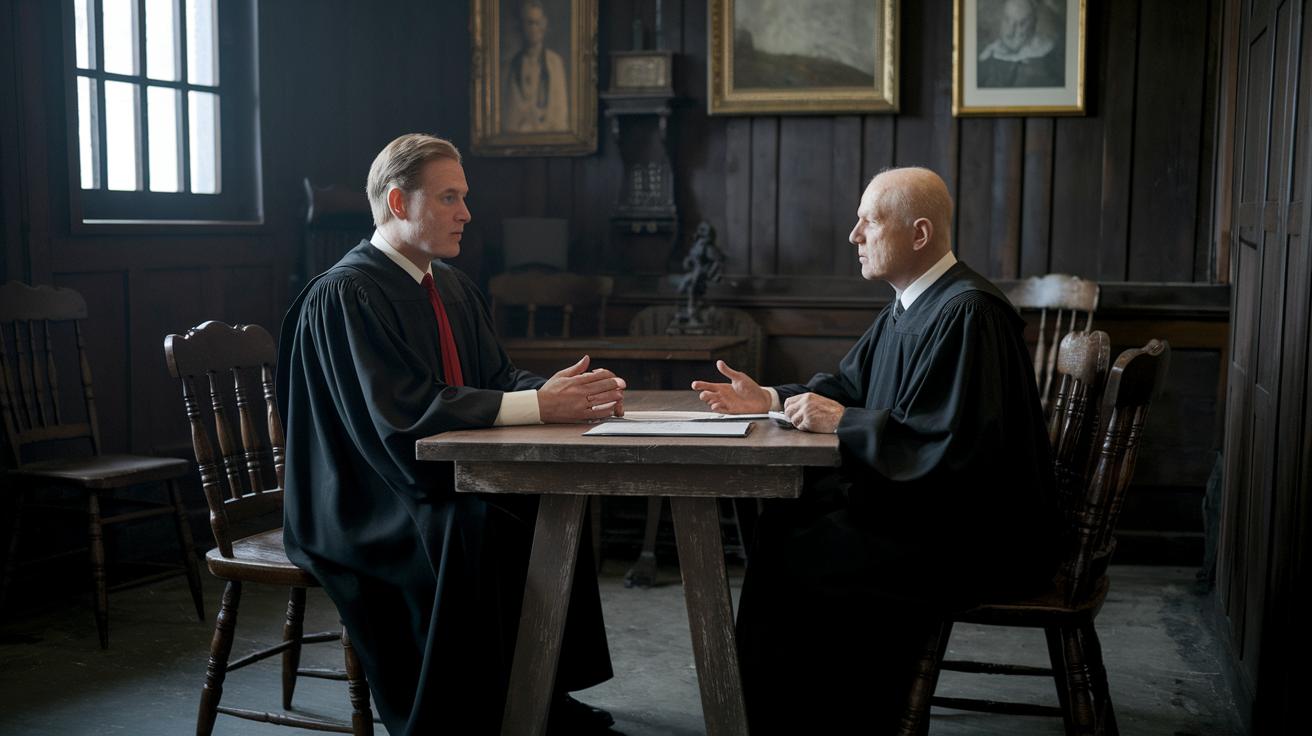
Back in the early days of the Supreme Court, justices had a really tough life on the road. They spent long hours riding on bumpy, unpaved roads, always unsure of what each day would bring. With low pay and nonstop travel, it was hard to attract experienced legal experts. Court sessions were all over the place, and each ruling felt like a race against time with little backup.
To handle these gritty challenges, the justices got creative. They started staying together in boarding houses, which built a close bond and a shared mission. This setup allowed them to talk through cases late into the night, mixing personal insights with careful judgment. Many viewed this teamwork as essential in a time when every decision truly mattered.
Incorporating Rights: Mid-20th-Century Constitutional Transformations
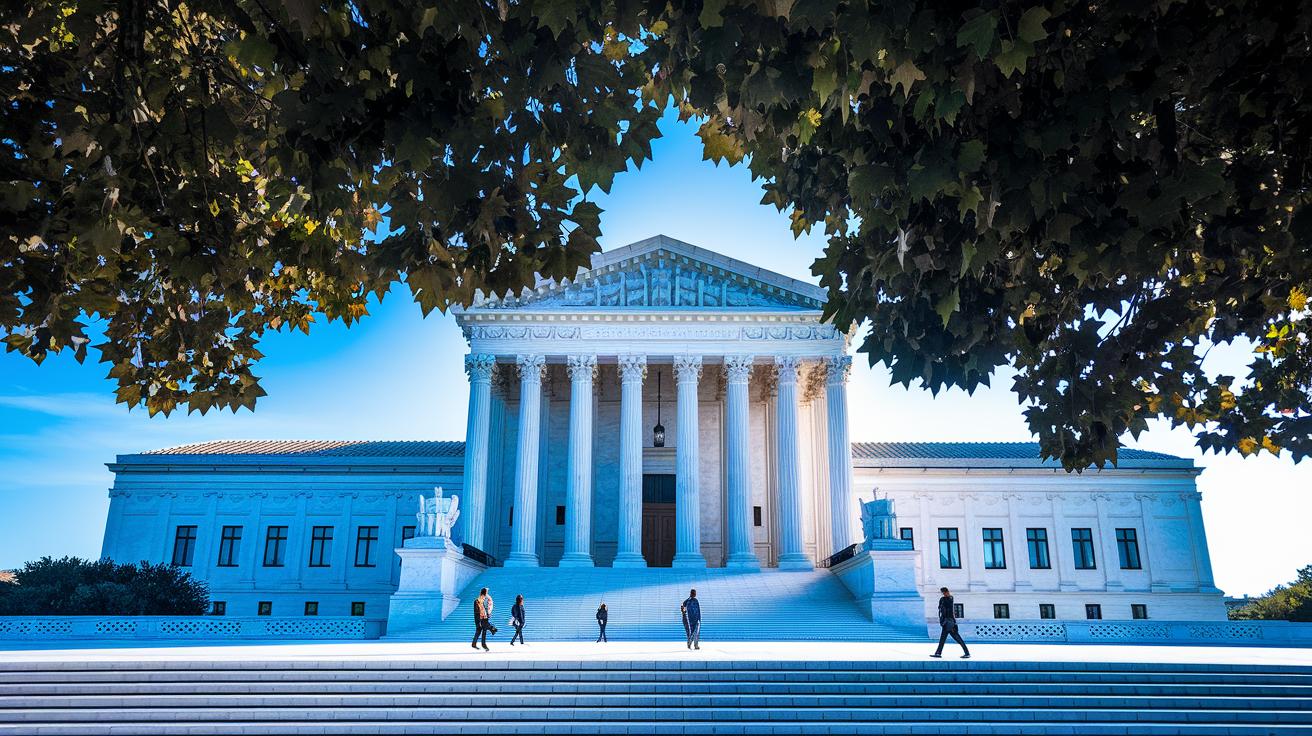
Between 1953 and 1969, the Supreme Court really shifted the legal landscape by extending protections from the Bill of Rights to all the states. They did this through the Fourteenth Amendment's Due Process Clause (which means states must treat people fairly) and Equal Protection Clause (ensuring everyone gets the same treatment under the law). In other words, these decisions broke new ground by making sure that rights weren't just confined to the federal level but applied to every state.
During these years, judges looked at cases that changed how states used federal rights. They set clear rules, like improving criminal due process so that people wouldn’t be treated unfairly by the courts. Ever wondered how that ruling might affect everyday life? It meant that anyone, no matter where they live, could expect the same fairness and protection, ensuring that constitutional rights were not a luxury for only some but a standard for all.
These landmark cases from the mid-20th century laid down strong legal rules that still shape how we think about rights today. By weaving basic rights into state law, the Court gave every citizen a solid shield of protection. These decisions didn’t just change the balance between individual freedoms and state power; they set the stage for ongoing reforms that continue to make our laws better for everyone.
Thematic Narratives and Public Engagement in Judiciary History
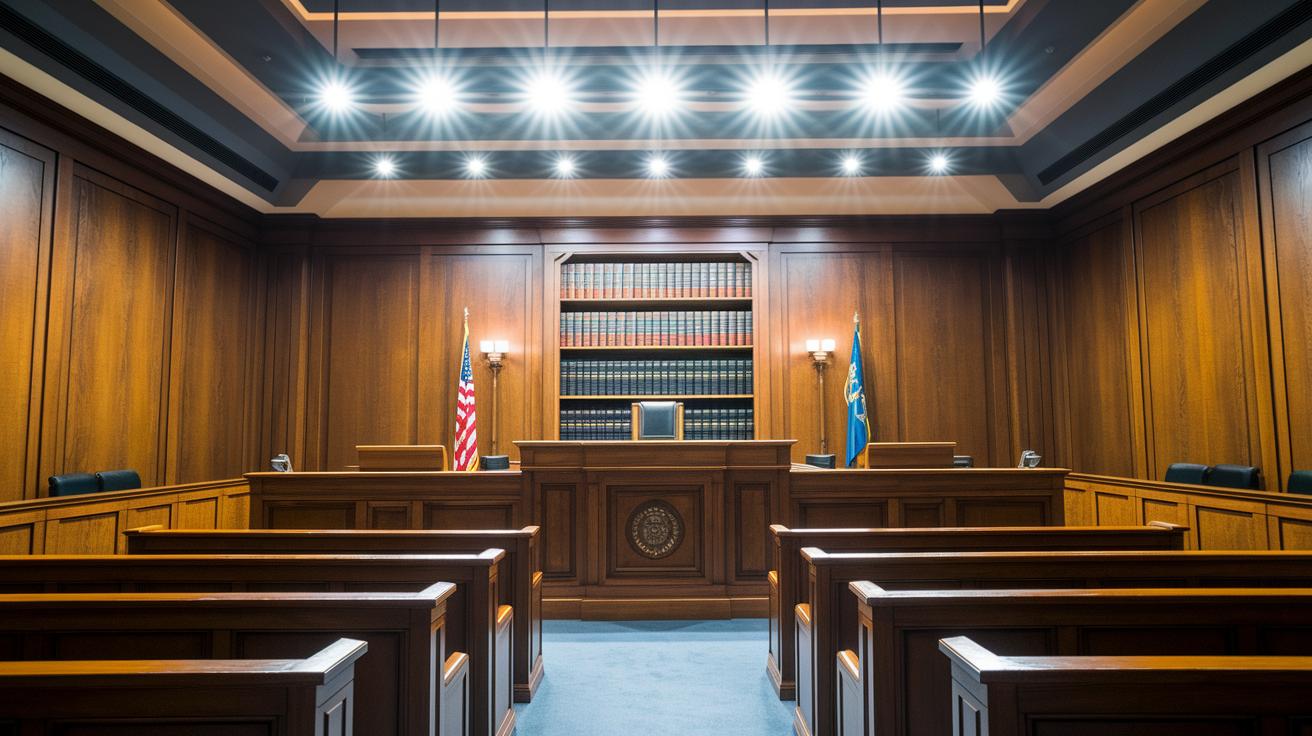
Using stories to show important court moments makes legal history easy for everyone to grasp. It turns what might seem like dry records into vivid tales that speak to our real lives.
These themed segments give us a peek into different parts of the past. For instance, the "Supreme Court" section shows how legal ideas have grown over time. "Race Matters" takes on key debates that pushed society toward fairness. "Agents for Change" celebrates reformers who stepped up. And "Innovation and Invention" shares creative ways lawyers met tough challenges. With "Basic Research" and "Newshour Classroom," even complex legal procedures become simple lessons that both experts and regular readers can enjoy.
In fact, these story segments keep sparking friendly debates and help us all appreciate the big steps made in our courts over the years.
Final Words
In the action, we explored critical cases from Marbury v. Madison to twentieth-century transformations, showing how vital decisions reshaped power balances in America. We looked at the evolving role of early justices, the administrative hurdles they faced, and the progress made in civil rights through court rulings.
Every segment paints a vivid picture of defining judicial moments in U.S. legal history, reinforcing how these decisions continue to influence our legal landscape positively.