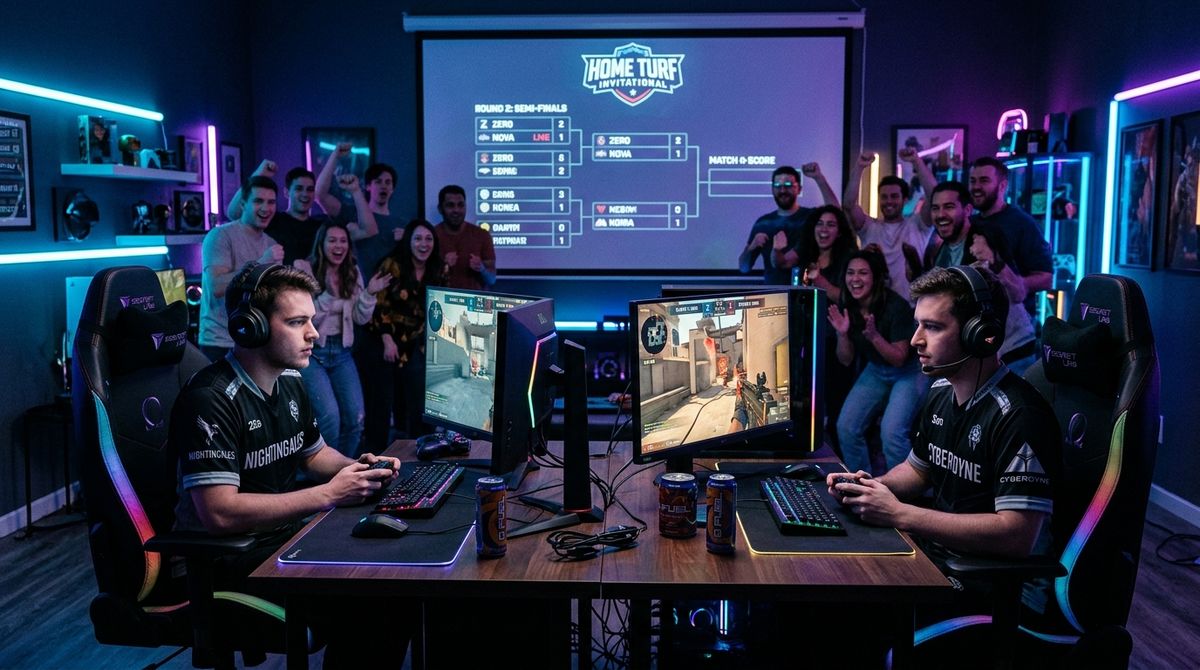

The proliferation of digital spaces has fundamentally transformed how individuals connect and interact. Online gaming communities have grown from simple chat rooms into complex, self-sustaining ecosystems where participants engage in collaborative projects, competitive play, and creative expression. As these digital environments expand, those who operate and moderate them face a variety of organizational and operational challenges. Establishing a framework that clearly defines expectations and responsibilities is essential for maintaining a positive atmosphere for all involved.
Defining Community Membership Agreements
At the foundation of any thriving online space is a clear understanding of the rules that govern membership. When users join a community, they are often asked to agree to a set of terms that outline acceptable behavior and the rights of both the organizers and the participants. These agreements serve as the cornerstone of community management, providing a reference point when questions about conduct or platform usage arise. By creating comprehensive guidelines, organizers help ensure that everyone understands the boundaries of the digital space, which can contribute to a more stable and predictable environment.
Developing these documents requires careful consideration of the specific goals and culture of the group. A well-drafted agreement typically covers aspects such as communication standards, account ownership, and the consequences of violating established rules. Rather than relying on implicit understandings, clearly articulating these points in writing helps minimize ambiguity. Organizers should focus on creating a structure that is easy for new members to understand while also being flexible enough to address various situations that might emerge as the community evolves over time.
Intellectual Property and User Content
In many gaming communities, members take an active role in creating custom content, such as new maps, character designs, or modifications that alter the gameplay experience. This collaborative spirit drives engagement and innovation, yet it also introduces important considerations regarding who owns the intellectual property and how it can be used. It is helpful for organizers to clarify the policies surrounding user-generated content early in the process to prevent later confusion. If you operate a platform where users share custom game modifications, such as those often found on loveminecraft.com, understanding how to structure user-generated content agreements is essential for protecting the interests of both the creators and the platform itself.
These policies should address issues like who retains the rights to uploaded materials and whether the platform is granted a license to display or distribute that content to the rest of the community. Transparent communication regarding these points helps foster trust, as participants can feel confident knowing their creative contributions are respected. Providing clear guidance on what content is permissible and how rights are handled ensures that the community can continue to benefit from the creativity of its members while minimizing the potential for disagreements regarding ownership.
Server Hosting and Infrastructure
The technical stability of a gaming community is vital, as players rely on consistent access to the digital environment to engage in their preferred activities. Managing the infrastructure, which often involves hosting servers and maintaining digital resources, requires a solid understanding of service level agreements and technical requirements. When managing community servers that require consistent uptime for smooth gameplay, services like Fiber Gaming highlight the importance of understanding hosting agreements and service level commitments to ensure community expectations align with technical reality.
Organizers must consider the physical and digital resources required to support the community’s size and activity level. This includes evaluating the reliability of hosting providers, understanding data backup processes, and planning for potential technical outages. By proactively addressing these operational components, organizers can provide a more reliable experience for their members. Furthermore, having a clear understanding of the agreements with third-party service providers allows organizers to better manage expectations and communicate effectively with the community when technical challenges arise.
Managing International Participants
Many gaming communities quickly transcend regional boundaries, welcoming participants from across the world. This diversity is a major strength, yet it introduces additional complexity for those tasked with managing the space. Organizers must be prepared to address the challenges that come with a global user base, including differing cultural norms, time zone differences, and varied regulatory requirements regarding data privacy and online conduct. As communities grow, they often attract members from across the globe, requiring moderators to consider the legal considerations for hosting international community members who may be subject to different regional privacy and liability standards.
Addressing these factors requires an approach that is both inclusive and aware of the varied legal contexts in which community members might be located. This might involve updating privacy policies to ensure they comply with international standards or ensuring that community rules are presented in a way that is accessible to participants from different linguistic and cultural backgrounds. By proactively considering these aspects, organizers can create a more inclusive environment that effectively welcomes and manages a diverse, international group of players.
Handling Disputes and Community Moderation
Conflicts are an inevitable part of any large group interaction, and online gaming communities are no exception. Having a structured process for moderation and dispute resolution is crucial for maintaining order and addressing grievances fairly. A clear, transparent process helps ensure that when conflicts arise, they are handled in a manner that the community perceives as consistent and equitable. The following steps are often part of an effective moderation strategy:
- Communicating clearly about the types of behavior that are not permitted.
- Providing a designated channel for members to report concerns or rule violations.
- Ensuring that moderation decisions are documented and communicated to those involved.
- Establishing a process for members to appeal decisions they believe were made in error.
- Maintaining a consistent approach to enforcement, regardless of who is involved.
By implementing a structured approach to moderation, organizers can address issues as they arise without allowing them to disrupt the community as a whole. Transparency is key; when members understand the processes in place and feel that disputes are handled fairly, they are more likely to respect the outcomes and remain engaged participants. This organized approach to conflict resolution reduces the burden on moderators and helps maintain a positive, welcoming atmosphere.
Establishing Clear Rules of Conduct
Ultimately, the health and longevity of an online gaming community depend on the effectiveness of its rules of conduct. These rules set the tone for the entire space, informing members about what kind of behavior is encouraged and what will not be tolerated. Rather than viewing rules as merely restrictive, successful communities frame them as a mechanism to protect the collaborative and enjoyable nature of the environment. Rules should be crafted with clarity and accessibility in mind, ensuring that even new members can quickly understand the standards that define the community.
Once established, these rules must be consistently enforced and periodically reviewed to ensure they remain relevant as the community evolves. An environment where rules are applied fairly and predictably encourages members to take responsibility for their own actions and fosters a culture of mutual respect. This foundation allows the community to focus on its primary purpose: providing an engaging, enjoyable space for individuals to connect and share their interests. Through thoughtful rule setting and diligent moderation, organizers can create a sustainable, positive environment for all.