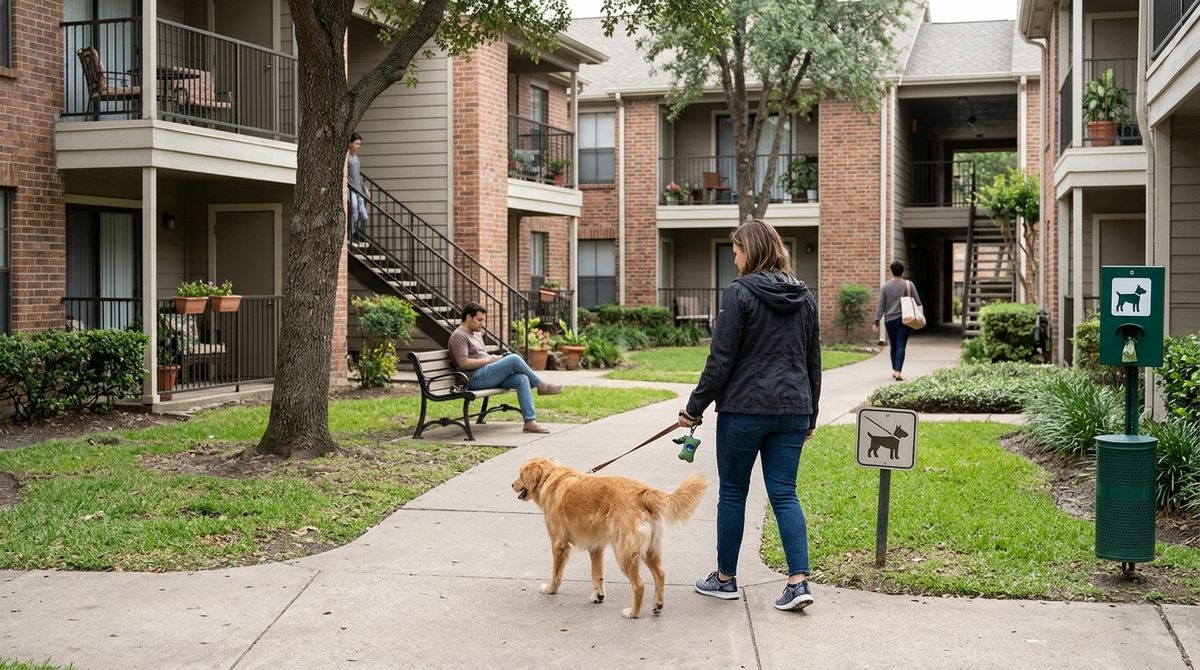

A dog park membership form looks like a routine sign-up sheet, yet the paragraph about liability often carries more weight than the fee table. Owners who scan it quickly may agree to terms they do not fully understand, while the park operator may have written those terms in language that is hard to follow. Reading the form slowly, line by line, is the best way to know what you are signing.
This article explains, in plain words, the kinds of statements that usually appear in a membership release. It is general information only and does not replace advice from a local attorney. The goal is to help a pet owner spot unclear terms and ask sensible questions before signing.
Identifying the Main Release Statement
Most forms begin with a sentence that releases the operator from responsibility for injuries or damage that occur on the property. The wording may be broad, covering any incident, or narrower, limited to negligence. Read that sentence twice and note whether it says who is covered and what kinds of events it addresses. Readers may also want to visit supportltd.net.
Look for the names of the people and entities listed in the release. Some forms include the park owner, the staff, the volunteers and the landlord. A list that is long and vague can make it harder to know who holds responsibility if something goes wrong.
Reading the Language About Your Dog
Forms usually ask the owner to confirm that the dog is healthy, vaccinated and well behaved. A statement of that kind often shifts some responsibility onto the owner, so read it carefully before ticking any box. If a question is unclear, write a note asking for clarification and keep a copy of the answer.
You can also visit opensolutionsalliance.org for more reading. These resources can help you decide which parts deserve a second look. Use them as a reference, then check the form itself for the exact wording the park has chosen.
Understanding Indemnity and Responsibility for Damage
Some releases include an indemnity clause, which means the owner agrees to cover certain costs if the dog causes harm to another person or property. This clause can be important, because it may apply even when the owner was not at fault. Ask the operator to explain the scope in writing if the clause is unclear.
Check whether the form asks you to pay for damage to park equipment as well. A short list of examples can make the rule easier to understand. Keep your questions specific, such as which items are covered and how claims are reported.
Checking Rules About Refunds, Cancellations and Notice
A membership form may describe how refunds work, how long a membership lasts and what notice is required before cancellation. These details matter if the park closes for maintenance or if your schedule changes. Look for any statement that the operator may change the rules at any time, and note how you would receive that notice.
For a related read on this site, see Pet Sitter Agreement Clauses About Keys and Access. A quick comparison often shows which operator uses clearer language. Pick the one that makes the terms easiest to understand.
Asking Questions Before You Sign
You are allowed to ask the operator to clarify any part of the form. Write down each question and the answer you receive, including the name of the staff member and the date. Keep the completed form with your records, because it is the document that governs the relationship.
If a clause still feels unclear after you ask, consider taking the form to a local legal clinic or a qualified attorney before you commit. A small fee for a short review can prevent larger problems later. Choosing caution at this stage is a reasonable decision for any pet owner. Keep a dated copy of the signed form on your phone as well as in a paper folder.
Some operators attach a separate page of house rules, and those rules may affect where a dog is allowed to go on the property. Read that page as carefully as the release itself. Ask whether the park requires proof of vaccination on a schedule, and note any penalty for missing a renewal. If a rule is missing a date or a contact name, ask for a complete version before you pay. A well-written form tells you clearly what happens next.
Signing With Clear Eyes
A liability release is not meant to be a puzzle, though many forms read that way. Look at who is covered, what you are promising about your dog and how refunds and notices work. A few careful questions at the start can protect both your pet and your peace of mind.