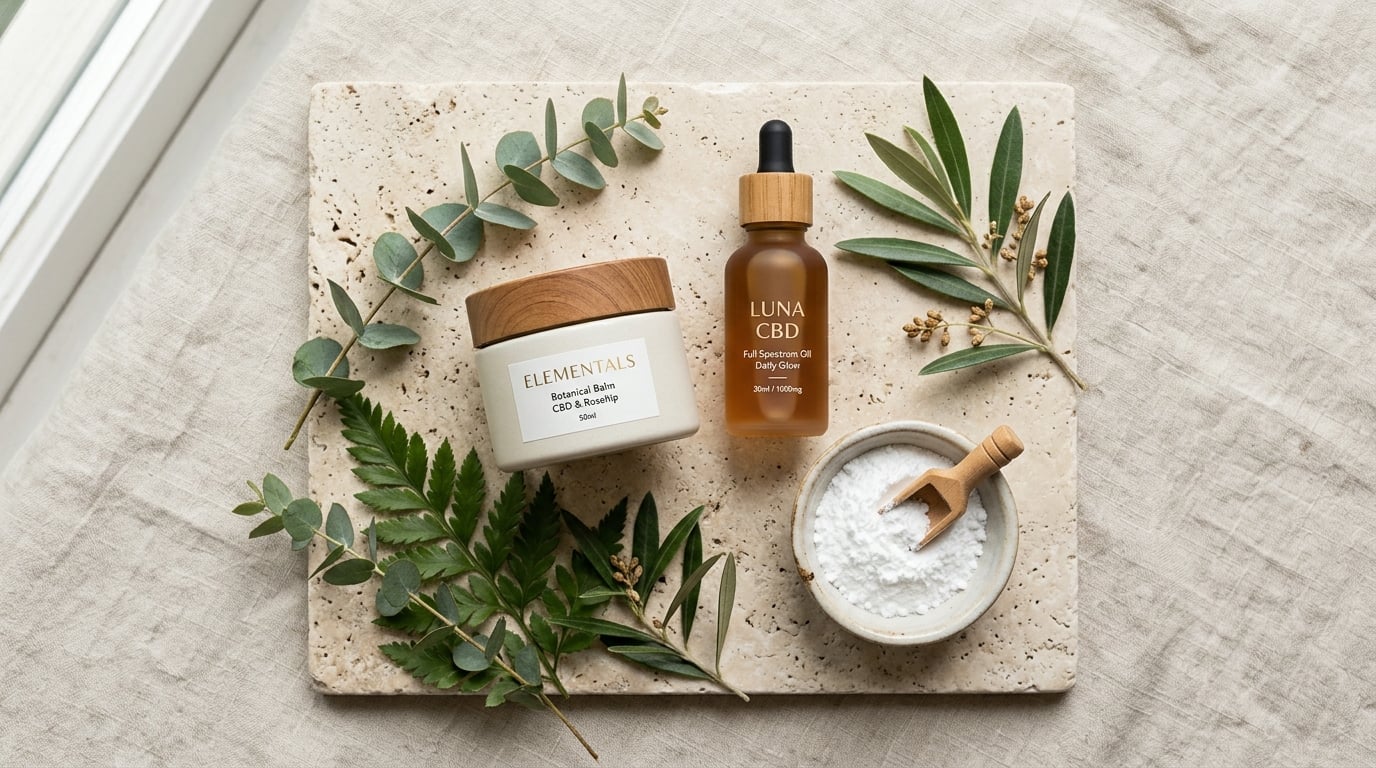

Celebrity partnerships and signature product lines have transformed modern retail marketing. Prominent personalities no longer limit their commercial involvement to brief television spots or magazine appearances. Today, high-profile figures frequently launch collaborative fashion labels, proprietary wellness collections, and direct-to-consumer goods that bear their names and personal aesthetic. While these ventures generate immediate consumer interest, they also introduce complex regulatory hurdles and contractual exposures for the companies behind them.
Corporate legal departments and compliance officers must navigate an intricate web of federal guidelines, state statutes, and advertising regulations when structuring these ventures. Failing to establish rigorous oversight can lead to severe enforcement actions, brand devaluation, and costly consumer litigation. Understanding where the greatest legal liabilities arise allows businesses to safeguard their investments while executing creative commercial partnerships.
Truth in Advertising and Disclosure Requirements
Federal regulators require complete transparency whenever a public figure promotes a product in exchange for compensation or material benefit. The core principle governing endorsement law is simple: consumers have a right to know whether a recommendation is genuine or financially motivated. This standard applies across social platforms, video broadcasts, print features, and live public appearances.
Disclosures must be clear and conspicuous, meaning they cannot be buried beneath long strings of hashtags, hidden behind expandable buttons, or placed in low-contrast typography. When brand ambassadors demonstrate apparel, skincare, or lifestyle items, they must explicitly acknowledge the business relationship. Vague language or ambiguous abbreviations frequently draw regulatory warnings and formal inquiries from consumer protection agencies.
Companies bear ultimate responsibility for training their commercial partners on disclosure rules. Even when an endorser acts independently on personal channels, enforcement agencies often hold the underlying brand liable for non-compliant posts. Contracts must therefore mandate strict adherence to advertising laws, outline explicit disclosure wording, and grant the brand immediate rights to audit, correct, or remove improper content.
Protecting Intellectual Property in Fashion Collaborations
Fashion collaborations represent one of the most lucrative segments of celebrity merchandising, yet they carry substantial intellectual property challenges. Apparel projects involve multi-layered rights, including trademark protection for personal names, copyright claims over bespoke fabric patterns, and patent rights covering functional garment designs. Establishing clear ownership boundaries before production begins prevents contentious ownership disputes when a collection achieves commercial success.
Brand agreements must clearly define whether newly created designs belong to the manufacturer or the public figure. When talent contributes sketches, styling concepts, or signature embellishments, licensing agreements must detail who retains the right to manufacture similar garments after the partnership concludes. Ambiguity in these clauses can freeze retail distribution and lead to protracted breach of contract claims.
Monitoring contemporary fashion developments helps legal teams anticipate potential design conflicts. The fashion sphere moves rapidly as designer dresses, tailored collections, and seasonal aesthetics gain viral attention. Observational coverage from platforms such as celebritycurry.com showcases how quickly celebrity styles and outfit designs drive public retail trends, reinforcing the need for counsel to secure comprehensive trademark registrations and strict territorial licensing rights before garments enter public circulation.
Furthermore, agreements should include clear provisions governing counterfeit mitigation and unauthorized knockoffs. When a celebrity collection becomes popular, third-party sellers often attempt to replicate distinctive design elements. Strong contractual frameworks specify which party bears the financial and administrative duty to enforce intellectual property rights against infringing market participants.
Health Claims and Safety Standards in Wellness Goods
The legal risks multiply exponentially when brand partnerships expand into wellness formulations, topical creams, dietary supplements, and botanical remedies. Unlike apparel, products intended for human consumption or topical application are subject to stringent oversight by health authorities and safety regulators. Marketing campaigns in this sector face aggressive scrutiny regarding efficacy, ingredient safety, and therapeutic claims.
A major regulatory trap is the dissemination of unsubstantiated health promises. Well-known endorsers frequently speak enthusiastically about personal wellness routines, but attributing medical cures, pain relief, or health transformations to a consumer item without competent scientific evidence violates federal trade standards. Even subjective testimonials must reflect typical consumer outcomes rather than extraordinary, unverified experiences.
Expanding into plant-derived wellness items demands meticulous attention to regulatory classifications and state-level distribution rules. Industry resources like cbdjiaoyi.com examine how consumers navigate topical lotions, oils, and capsules, providing a practical illustration of the diverse formats and functional expectations present in the botanical marketplace. Legal teams must verify that every product batch complies with regional purity rules, packaging mandates, and clear dosage labeling before approving commercial endorsements.
Quality control standards must be documented through independent laboratory testing and certificates of analysis. Endorsement contracts should require manufacturers to maintain rigorous quality assurance protocols, protecting public figures and retailers alike from joint liability in the event of contaminated batches or adverse customer reactions.
Practical Steps for Structuring Compliance Protocols
Establishing an effective compliance program requires structured coordination among marketing executives, legal counsel, and external talent representatives. Businesses should implement systematic safeguards that govern every phase of a promotional campaign, from initial contract negotiations through post-launch monitoring.
A reliable risk management strategy incorporates the following practical steps:
- Conduct thorough due diligence on manufacturing partners, verifying ingredient sourcing, factory audits, and regulatory certifications.
- Establish an internal review pipeline to inspect and approve all promotional copy, social captions, and imagery prior to publication.
- Draft comprehensive morality and conduct clauses that provide unilateral exit mechanisms if a partner engages in unlawful or reputational misconduct.
- Execute ongoing social listening and compliance audits to detect and remediate missing promotional disclosures promptly.
These procedural checkpoints minimize regulatory exposure and protect the brand reputation of all participating parties. When compliance processes are clearly defined in operational manuals and contract schedules, commercial partners can operate confidently within lawful boundaries.
Managing Appearance Standards and Ambassador Obligations
Commercial agreements often impose specific obligations regarding personal presentation, wardrobe selections, and public appearance schedules. Contracts routinely stipulate that a brand ambassador must wear designated clothing lines at red carpet galas, industry showcases, or media interviews. While commercial contracts allow substantial latitude in defining promotional conduct, enterprises must structure these standards carefully to avoid operational confusion.
Legal counsel must maintain a clear distinction between independent commercial spokespersons and internal corporate personnel. While independent talent can agree to precise aesthetic requirements for promotional campaigns, employers establishing workplace rules for regular staff must adhere to different statutory constraints. For companies evaluating general internal policies, reviewing our guidance on workplace grooming standards and worker rights highlights the legal boundaries governing personal appearance and civil rights protections within traditional business settings.
Ensuring that talent contracts clearly delineate independent contractor status is equally critical. Commercial agreements should specify that brand representatives retain artistic independence outside scheduled promotional deliverables, avoiding the creation of inadvertent employer liabilities while maintaining brand consistency during contracted marketing windows.
Mitigating Contractual Exposure Through Sound Governance
Managing high-profile consumer partnerships requires ongoing vigilance rather than a one-time contractual signing. Business conditions evolve, product formulations change, and regulatory guidance frequently updates to address new marketing channels. Corporate leadership must maintain an active governance protocol that evaluates ongoing promotional practices against established legal requirements.
By prioritizing transparent advertising, robust intellectual property protections, and strict health compliance, enterprises can successfully capture consumer interest while insulating themselves from administrative penalties. Clear communication, thorough documentation, and disciplined legal oversight remain the essential pillars of every durable commercial brand partnership.