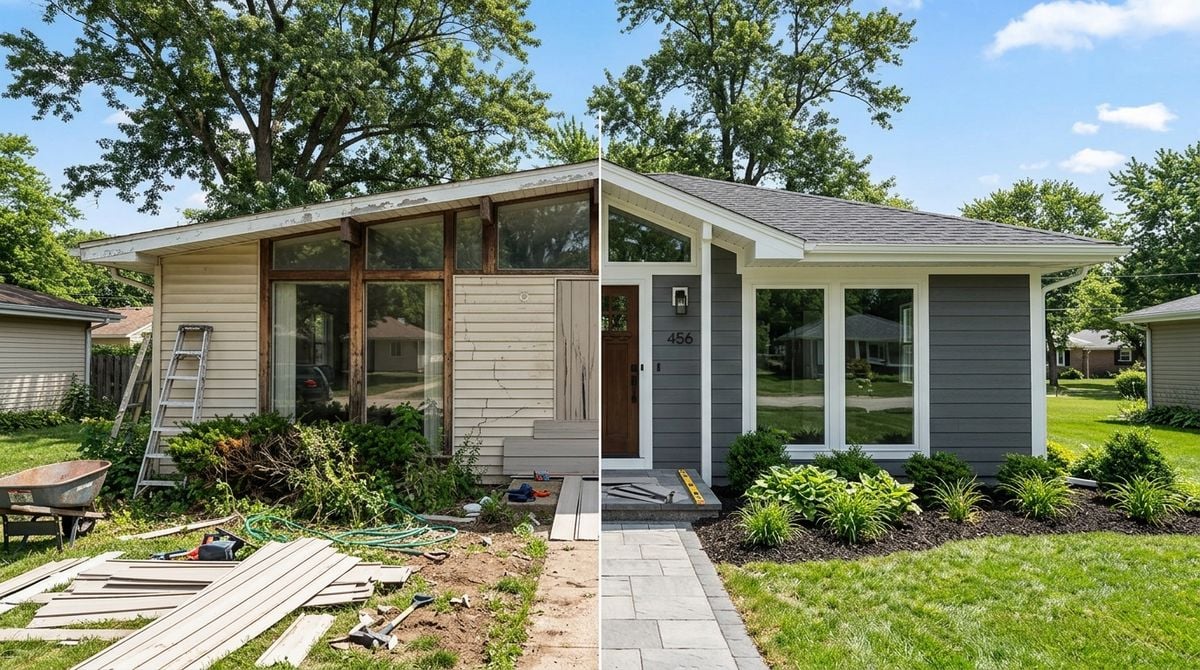

Undertaking a residential renovation project represents a significant investment in personal comfort, aesthetic appeal, and structural preservation. Whether an owner plans to modernize an outdated kitchen, finish an unfinished basement, or transform a garage into functional living quarters, physical changes to real property inherently alter the legal responsibilities associated with that property. Many homeowners view home improvement through the lens of architectural design and trade craftsmanship, overlooking the shifting legal duties that arise the moment work commences.
Navigating home renovations requires a thorough grasp of premises liability, local municipal codes, and contractual protections. When workers, guests, and family members occupy a construction zone, the risks of personal injury and property damage multiply. Establishing a structured approach to risk management before hiring tradespeople or purchasing supplies helps property owners protect their financial well-being and maintain compliance with prevailing housing standards.
Understanding Property Owner Duties and Premises Liability
Under American property law, property owners owe a duty of reasonable care to individuals who enter their premises. This legal obligation varies depending on whether an entrant is classified as an invitee, a licensee, or a trespasser. In the context of residential construction, general contractors, specialized tradespeople, and material delivery personnel are generally classified as business invitees. Consequently, the property owner must maintain reasonably safe conditions, inspect the property for concealed dangers, and provide adequate warnings about known hazards that are not readily apparent.
Active renovation sites present unique safety challenges that test standard duty-of-care thresholds. Exposed electrical wiring, unstable subflooring, loose framing materials, and chemical fumes introduce distinct hazards into a domestic setting. If a homeowner fails to notify workers of an existing structural defect, such as a weakened ceiling joist or compromised stair riser, the owner may face substantial liability should an injury occur. Clear physical barriers and prominent warning notices should always separate active work zones from inhabited residential sections.
The duty of care also extends outward to the surrounding neighborhood and public thoroughfares. Construction debris, improperly secured dumpsters, and unattended tools can attract neighborhood children under the doctrine of attractive nuisance. Homeowners must exercise prudence by locking work areas, securing scaffolding, and ensuring that dangerous equipment remains disconnected when authorized personnel are absent. Taking these precautions protects third parties from harm while shielding property owners from preventable negligence claims.
Building Codes, System Updates, and Environmental Safety
Municipal building codes serve as statutory baselines designed to protect public health and safety. Every major home modification, from structural alterations to utility line extensions, typically mandates formal permits and municipal inspections. Performing substantial work without requisite permits can cloud real estate titles, trigger mandatory tear-outs by municipal inspectors, and void certain homeowner insurance coverages in the event of a subsequent fire or water damage claim.
When property owners invest in domestic improvements, modernizing systems such as wiring, illumination, and climate control reduces everyday hazards. Homeowners looking to enhance residential living spaces can find practical inspiration at electricmela.com to make informed residential adjustments before starting complex projects. Ensuring that these living adjustments align with local electrical codes remains an essential duty for minimizing accidental fire and shock liabilities.
Material selection also carries distinct legal implications under slip-and-fall doctrines, especially in high-traffic zones like garages, utility rooms, and basements. Durable surface treatments, such as those detailed by Angelos Epoxy Flooring, offer protective coatings that minimize physical deterioration while maintaining stable footing for occupants and invited guests. Selecting slip-resistant finishes helps homeowners satisfy their common-law duty to maintain reasonably safe floors and walkways.
Environmental standards also play an important role during renovation planning. Disturbing older drywall, insulation, or pipe wrapping can release regulated hazardous substances into living areas. Property owners must ensure that qualified specialists conduct testing before demolition begins to prevent environmental contamination and potential tort claims from neighboring residents. Proper containment protocols during hazardous material abatement protect both the workforce and long-term occupants.
Contractor Agreements and Risk Allocation Provisions
A well-drafted written agreement forms the cornerstone of risk management for any domestic remodeling project. Verbal agreements or informal estimates leave property owners vulnerable to disputes regarding project scope, completion timelines, and financial responsibility for construction defects. A formal contract clearly delineates the specific duties of each party and establishes legal remedies should either side fail to perform.
Every renovation contract must address indemnification and hold-harmless clauses. An indemnification provision requires the contractor to compensate the property owner for losses, damages, and legal expenses resulting from the contractor’s negligent acts or omissions. Without this protection, an injured subcontractor might file a direct premises liability lawsuit against the homeowner, even if the primary contractor was solely responsible for creating the dangerous condition.
Insurance verification represents another critical layer of legal defense. Property owners should insist on receiving certificates of insurance directly from the contractor’s insurance carrier prior to the commencement of any physical work. These certificates must confirm active commercial general liability coverage and mandatory workers’ compensation insurance. Homeowners should verify that policy limits are sufficient and confirm that they are named as additional insured parties under the contractor’s general policy.
Practical Steps for Managing Renovation Risks
Mitigating legal risk during a home upgrade project requires disciplined documentation and methodical oversight. Relying solely on the contractor’s internal processes can leave property owners unaware of compliance failures or looming mechanic’s liens. Implementing consistent management practices ensures that the project proceeds within lawful parameters.
- Verify all state trade licenses and municipal business registrations before signing agreements.
- Secure copies of all approved municipal permits and maintain them in an accessible digital archive.
- Require lien waivers from both the general contractor and major material suppliers with each progress payment.
- Document daily job site conditions using photographic records and written logs.
- Schedule formal milestone walk-throughs before authorizing intermediate payments or project sign-offs.
Lien waivers deserve particular attention from residential property owners. Under mechanic’s lien statutes, unpaid subcontractors and material suppliers possess the legal right to place a lien against the real property, even if the homeowner has paid the general contractor in full. Collecting signed partial lien waivers alongside each progress installment safeguards the title against unexpected encumbrances. Retaining a final lien release upon project completion confirms that all financial obligations have been satisfied.
Post-Renovation Disclosures and Long-Term Obligations
The legal responsibilities associated with residential upgrades do not conclude when the contractors depart and final inspections pass. Alterations to a home permanently change the owner’s legal disclosure profile for future real estate transactions. Most jurisdictions require sellers to complete property condition disclosure statements, explicitly declaring whether past alterations were performed with lawful permits and by licensed tradespeople.
Failing to disclose unpermitted modifications or known latent defects can expose property owners to subsequent misrepresentation and breach of contract lawsuits from future buyers. Preserving comprehensive records, including architectural plans, permit approvals, product warranties, and inspection certificates, provides concrete proof of good-faith compliance should an ownership dispute arise years down the road. Organized documentation also assists appraisers and insurers in properly valuing structural enhancements.
Property owners who renovate with the intention of hosting paying guests must recognize that their standard homeowner insurance and municipal zoning rules may shift dramatically. Those seeking insights on managing short-term rental accommodations should review how structural modifications and furnishings intersect with commercial guest regulations. Ensuring that all upgrades meet commercial hospitality codes protects owners from unexpected municipal citations.
Ultimately, a proactive approach to legal safeguards transforms a potentially volatile remodeling project into a secure property investment. By prioritizing thorough contracts, adhering to building regulations, maintaining comprehensive documentation, and respecting common-law duties of care, homeowners can enjoy their improved living environments while firmly protecting their legal and financial interests. Approaching renovations with legal diligence ensures that physical enhancements provide enduring peace of mind.