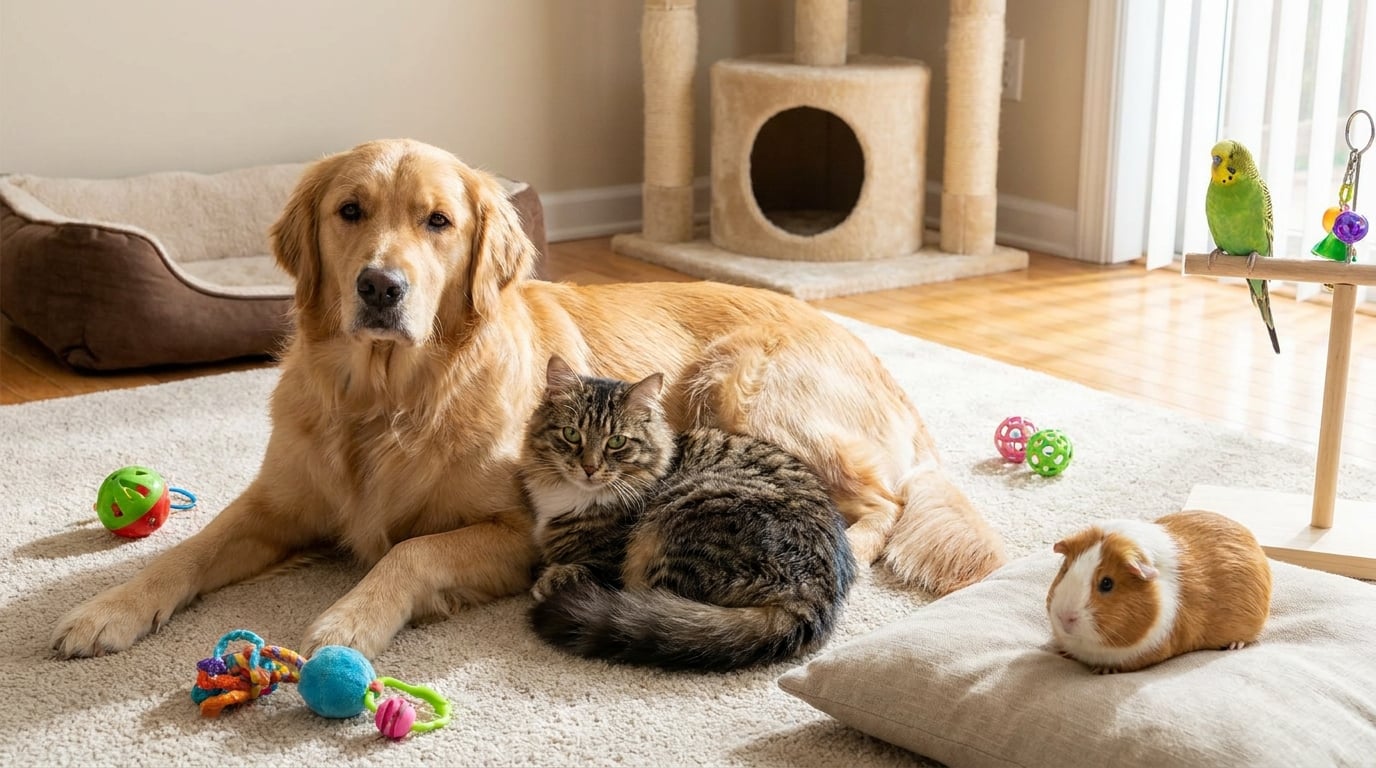

Companion animals hold a deeply personal place in modern households, yet legal systems have historically categorized them strictly as personal property. When domestic partners separate, roommates move apart, or estates enter probate, disagreements over companion animals frequently become some of the most contentious disputes in civil and family law. Courts and individual pet owners alike confront the growing tension between traditional property doctrines and the emotional reality of companion animal guardianship. Understanding how statutory rules approach pet ownership, custodial disputes, and preventative agreements is essential for anyone seeking to protect both their legal interests and the well-being of their animals.
The Traditional Property View Versus Modern Pet Welfare
Under long-standing common law principles, companion animals are classified as personal chattel. In traditional property disputes, courts resolved contested ownership by examining strictly transactional evidence. Judges asked who purchased the animal, whose name appeared on the adoption contract, and who paid the licensing fee. Under this rigid framework, whichever party held the sales receipt was typically awarded sole possession, with courts treating the animal in the same manner as furniture or a vehicle.
This strict property model often created harsh outcomes, leading many jurisdictions to adopt more nuanced approaches during separation proceedings. Rather than viewing pets purely through the lens of monetary title, family courts increasingly consider equitable factors that reflect the living reality of animal care. Judges may look at which individual provides daily shelter, prepares meals, exercises the animal, and attends to emergency needs.
Maintaining detailed records of day-to-day care provides essential support when ownership is challenged. Establishing a consistent routine of responsible care—similar to the wellness, nutrition, and care guidance highlighted on Pettagspro.org—offers clear documentation of primary guardianship. When parties present veterinary invoices, diet logs, and proof of preventative wellness care, courts gain a clearer view of who reliably shoulders the obligations of primary caretaking.
Demonstrating the Human-Animal Bond in Court Proceedings
When companion animal disputes proceed to litigation, evidentiary presentations often extend far beyond the initial bill of sale. Individuals seeking sole possession or shared visitation must demonstrate an active, ongoing relationship with the animal. Courts evaluating competing claims focus heavily on which party invested the time and emotional attention necessary to cultivate a secure environment.
Judges frequently evaluate evidence showing who manages socialization, routine training, and daily companionship. Highlighting regular interaction demonstrates that the relationship represents genuine stewardship rather than nominal ownership. Exploring perspectives on human-animal companionship at animals-photos.net reinforces how meaningful daily engagement and natural bonding form the core of responsible animal care. Presenting documentation of these shared moments, alongside statements from pet sitters, neighbors, or dog walkers, provides judges with clear context when deciding which arrangement serves the animal best.
In addition, courts examine the living situation of each party following a separation. An individual who moves into housing that accommodates companion animals, maintains a predictable work schedule, and provides access to outdoor space presents a strong argument for primary placement. Demonstrating that an animal will experience stability and minimal disruption remains a compelling factor in judicial determinations.
Preventative Legal Instruments for Pet Ownership
Rather than leaving ownership outcomes to judicial discretion during a contentious dispute, owners can protect their companion animals through proactive legal documentation. Cohabitation agreements, prenuptial contracts, and independent pet ownership agreements have become widely recognized mechanisms for clarifying rights in advance. These documents outline ownership titles, caregiving duties, and financial expectations before disputes arise.
When preparing an agreement or establishing a clear record of primary ownership, individuals should compile a comprehensive portfolio of documentation:
- Adoption paperwork, bills of sale, and bank statements showing payment of acquisition fees.
- Veterinary treatment logs and invoices listing the designated primary contact.
- Microchip registration records and municipal pet license certificates.
- Written care agreements outlining daily schedules, exercise routines, and shared costs.
Maintaining these records in a centralized file eliminates confusion if an ownership dispute arises. Clear documentation also proves invaluable for estate planning. Individuals can establish formal pet trusts, designating a trusted caregiver and allocating funds to support the animal throughout its life, ensuring that care continues uninterrupted if the owner becomes incapacitated.
Corporate Protections and Liability in Animal Services
Legal issues involving companion animals also extend beyond household disputes into commercial ventures such as rescue shelters, boarding kennels, and grooming facilities. Many professionals in the pet sector establish separate business entities, such as limited liability companies, to protect their personal assets while managing the inherent responsibilities of animal handling and public accommodation.
However, forming an entity does not automatically shield owners from liability if corporate protocols are ignored. Commingling personal bank funds with business revenues, failing to keep detailed operational logs, or neglecting organizational bylaws can permit claimants to challenge the entity’s shield. Animal business operators should remain aware of foundational entity principles, such as those examined in our article on piercing the corporate veil in legal disputes, which highlights when courts may disregard formal structures to hold individuals accountable. Keeping distinct boundaries between private pet ownership and commercial animal operations ensures that organizational safeguards remain effective.
In addition to maintaining corporate formalities, commercial animal facilities must maintain clear client waivers, boarding contracts, and emergency care authorizations. Establishing clear operational standards protects the organization from contentious disputes while ensuring that every animal receives prompt attention during emergencies.
Alternative Dispute Resolution for Custody Conflicts
Taking an animal custody dispute through full litigation can be financially demanding and emotionally exhausting. Because court dockets are crowded and judges possess limited time to supervise ongoing pet schedules, alternative dispute resolution has emerged as an effective avenue for resolving contested custody.
Mediation allows separating parties to work alongside a neutral third party to negotiate customized custody arrangements. Unlike a judge, who may feel constrained by property statutes to award sole ownership to one person, a mediator helps parties create practical shared-care schedules. These agreements can establish regular visitation schedules, address transportation logistics, and define how future veterinary costs will be divided.
Collaborative negotiations also allow parties to include contingencies for future changes in circumstances. Agreements can specify how decisions will be made if one owner relocates, changes employment hours, or faces significant medical expenses for the animal. By addressing these practical considerations voluntarily, both individuals can preserve their relationship with the companion animal without enduring prolonged courtroom battles.
Successfully navigating legal matters involving companion animals requires balancing statutory property rules with practical evidence of ongoing care and emotional connection. Whether by executing preventative ownership agreements, maintaining organized veterinary files, or utilizing mediation to resolve conflicts, proactive legal planning protects both the owner and the animal. As family and civil courts continue to refine their approach to animal welfare, thorough documentation and clear contractual agreements remain the most dependable foundation for safeguarding companion animal relationships.