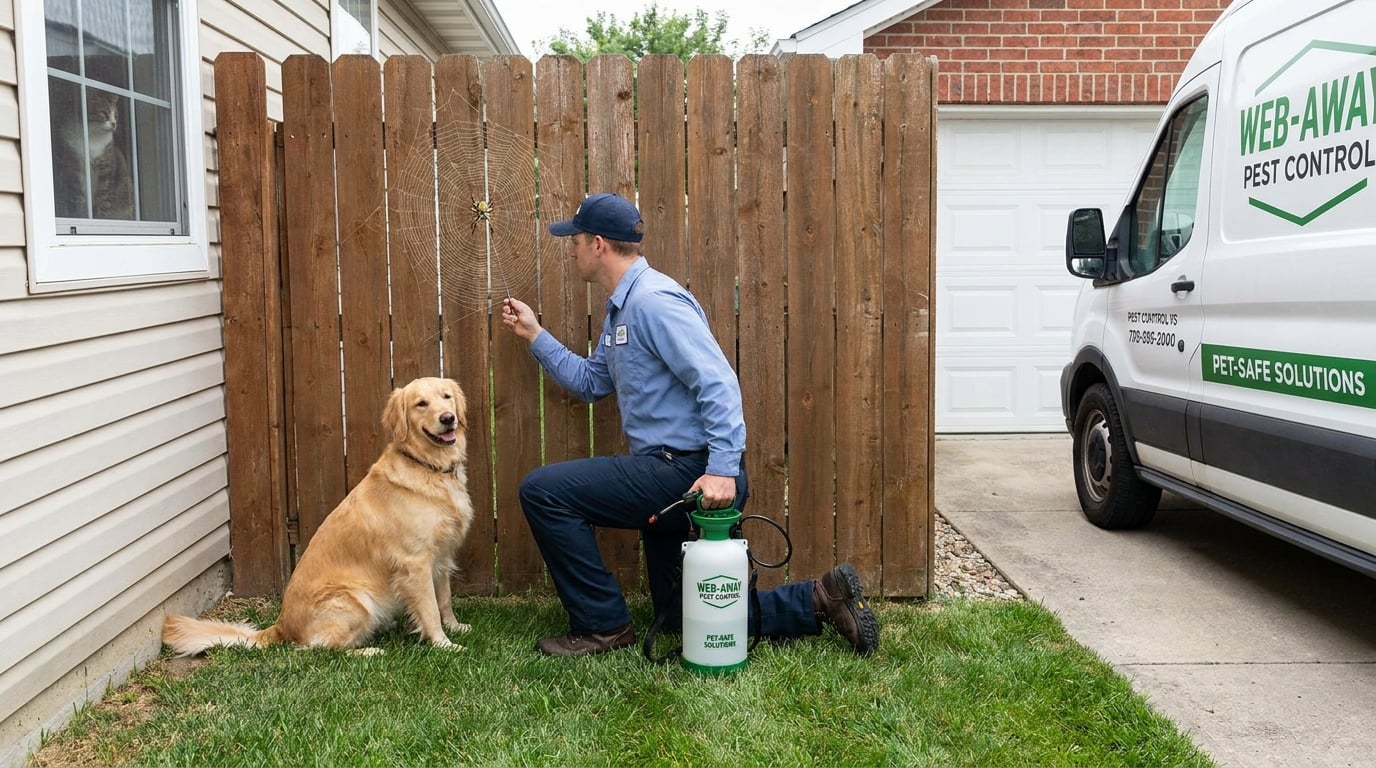

Modern corporate workplaces increasingly explore companion animal policies to boost morale and attract skilled talent. While welcoming animals into the office sounds appealing, company leadership must navigate substantial legal obligations before unlocking doors to animal visitors. From premises liability and health concerns to labor standards, unstructured pet programs introduce complex risks that disrupt business operations.
Employment law requires companies to maintain a safe, productive environment for every worker. When animals enter commercial buildings, employers encounter competing rights under civil rights legislation, disability accommodations, and safety mandates. A casual pet policy frequently leaves management exposed to preventable legal disputes, interpersonal friction, and regulatory scrutiny.
Creating an enforceable framework protects the enterprise while establishing clear expectations across all departments. Legal counsel and human resources teams must craft rules that respect commercial leases, protect employee well-being, and preserve corporate standards. A disciplined approach allows businesses to explore modern perks without undermining their professional foundation.
Evaluating Liability and Workplace Accommodation Duties
A primary concern in any office pet program involves resolving conflicts between welcoming animals and protecting workers with medical restrictions. Under disability legislation, employers must provide reasonable accommodations to workers with respiratory conditions or documented allergies. Permitting an animal in shared workspace can prompt statutory violations and grievances if an allergic employee suffers harm.
Employers must also distinguish between service animals and ordinary family pets. Service animals trained to perform tasks for individuals with disabilities receive distinct statutory protection that standard pets do not enjoy under the law. Policies cannot restrict bona fide service animals, but employers hold authority to regulate or prohibit personal pets that lack specialized training.
Landlord agreements also dictate what is permissible inside commercial facilities. Leases frequently contain strict clauses regarding animal presence, property damage, and pest control. Violating these covenants can lead to eviction proceedings, monetary penalties, or costly restoration fees. Management must inspect lease terms and secure written landlord authorization before implementing any pet policy.
Establishing Health, Vaccination, and Behavior Rules
Workplace animal programs demand strict health and behavioral standards. An animal unaccustomed to elevators, delivery couriers, or crowded conference rooms can quickly become agitated, leading to disruptive barking, property damage, or defensive bites. Employers must require that every animal passing through the corporate lobby demonstrates reliable social manners and house training.
Health verification serves as an absolute prerequisite for office entry. Animals carry parasites, fleas, and infectious illnesses that spread quickly in confined commercial environments with centralized ventilation. Mandating current vaccinations, routine parasite prevention, and clean bills of health protects staff, visiting clients, and other animals alike from avoidable health hazards.
Human resources coordinators and business managers can consult dedicated animal health platforms such as drfoxvet.net to understand standard wellness protocols, vaccination schedules, and safe grooming practices before drafting organizational health standards. Requiring pet owners to submit veterinary certificates periodically ensures accountability and eliminates administrative guesswork regarding vaccination status and parasite controls.
Behavioral policies must be codified in writing within the official employee handbook. If an animal exhibits growling, snapping, or unprovoked aggression toward staff or guests, the policy should mandate immediate removal from the premises. Documenting these incidents promptly protects the employer against subsequent claims of disparate treatment or unsafe work environments.
Aligning Animal Presence with Professional Dress Codes
An unexpected consequence of welcoming animals into an office environment is the impact on corporate aesthetics and professional decorum. Offices that host client meetings, executive presentations, or formal consultations must maintain high standards of personal presentation. Animal hair, odors, and accidental stains can compromise a polished workplace atmosphere and create negative client impressions.
Companies often need to refine their existing workplace grooming and wardrobe expectations to address these challenges directly. Employees who must maintain an executive wardrobe can refer to fashion and business attire guides like Dressesenter to choose durable, elegant garments that resist lint and maintain crisp professional lines throughout the workday. Clarifying that animal presence does not lower general workplace standards keeps teams aligned during executive interactions.
Facilities teams should designate pet-free zones across the building to protect sensitive business operations. Boardrooms, client negotiation suites, cafeterias, and data centers should remain strictly animal-free at all times. Restricting pets to specific zones prevents clothing damage from enthusiastic greetings and ensures that visiting clients who prefer not to encounter animals feel comfortable.
In addition, companies should stock grooming rollers, upholstery cleaners, and odor neutralizers in common areas. Supplying these practical tools encourages animal owners to take immediate responsibility for maintaining shared spaces, protecting office furniture, and preserving professional decorum for colleagues who value clean presentation and immaculate business attire.
Managing Risk Exposure and Building Formal Agreements
From a legal perspective, personal companion animals introduce unique premises liability considerations for property owners and commercial tenants. When an animal causes injury or slips on polished flooring, questions of legal duty, negligence, and causation arise. Employers should review insights on legal liability risks in animal facilities to understand how courts examine negligence, foreseeability, and supervisory obligations when domestic animals inhabit commercial properties.
A cornerstone of risk management is a comprehensive indemnification agreement. Every participating employee must sign an agreement that releases the employer from liability for injuries to the pet and requires the employee to indemnify the company for any harm caused by their animal. Without signed indemnification contracts, an employer could bear direct liability for costly injury claims.
Furthermore, management should verify that participating employees carry personal liability insurance covering animal incidents outside the home. Commercial general liability policies carried by businesses often contain animal exclusion clauses or higher deductibles. Confirming supplemental coverage limits corporate exposure and ensures injured parties have access to appropriate recourse.
Step-by-Step Implementation for Office Management
Successfully rolling out a pet policy requires a deliberate sequence of organizational steps. Rushing the process without obtaining employee feedback, updating handbooks, and setting up physical facilities often results in conflict and disruption.
Business leaders should establish a predictable workflow before opening the workspace to companion animals:
- Review commercial lease terms and confirm property management approval in writing.
- Survey workforce members confidentially to identify allergies, phobias, or reasonable accommodation requests.
- Collect signed indemnification forms, proof of liability insurance, and veterinary health records.
- Establish clearly marked pet-free zones, sanitation stations, and waste disposal protocols.
- Institute a trial evaluation period for each animal before issuing permanent office credentials.
Setting an initial trial period allows management to observe animal temperament and owner attentiveness under typical work conditions. If an animal struggles with phone chatter, conference movements, or unexpected noises, the owner must make alternate arrangements without formal penalty.
Regular policy reviews ensure that guidelines remain functional as the business grows and staffing configurations change. By treating pet-friendly initiatives as formal company policies rather than casual perks, organizations foster an inclusive, legally sound, and dignified workplace culture that benefits staff while safeguarding commercial assets.