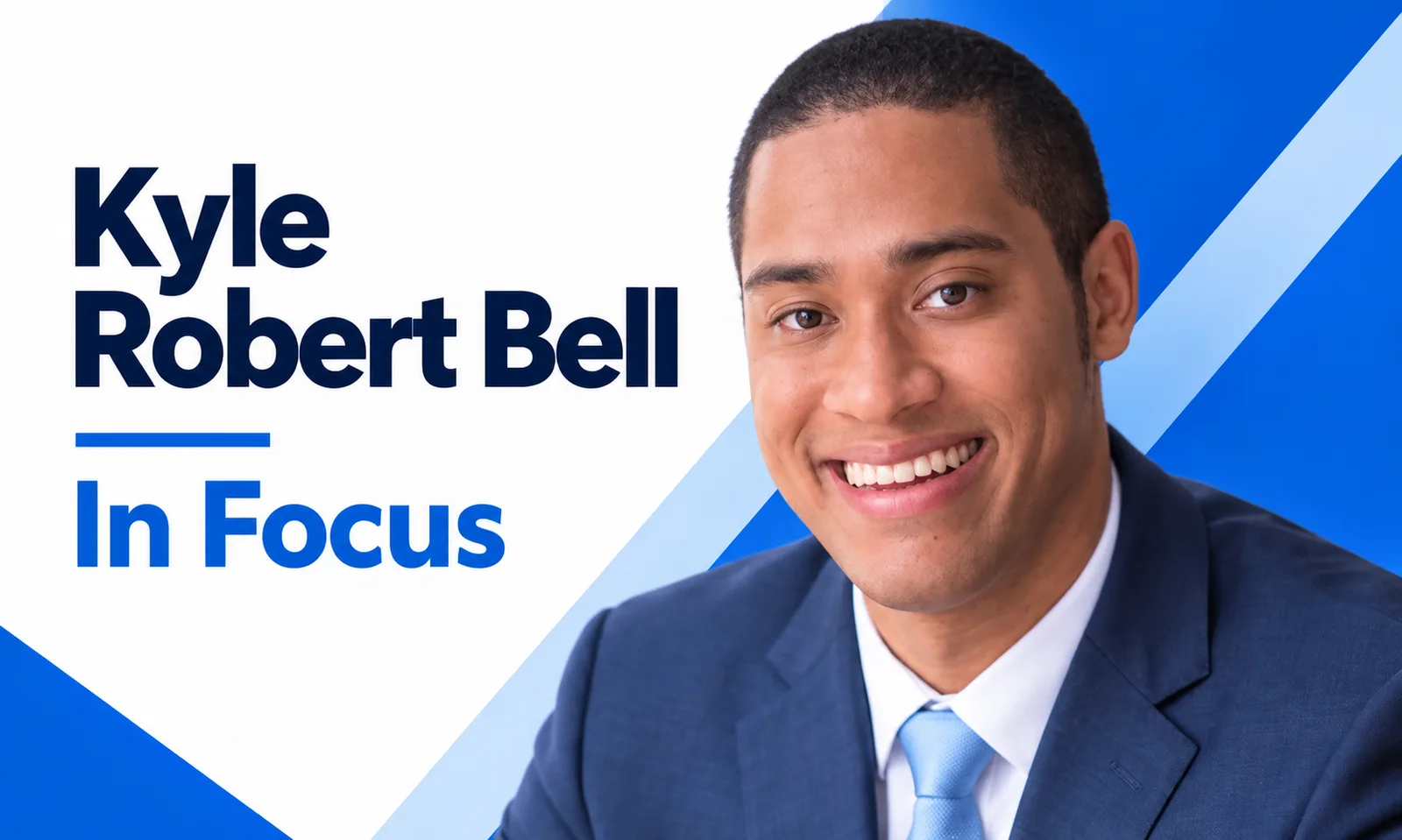

A client paid Kyle Robert Bell for substantial copywriting and says none of the contracted work arrived. A year passed, repeated assurances did not produce delivery, and the initial payment remained unreturned. Those are the facts of the client’s complaint that another prospective customer should confront before making a new commitment. The demand for answers is direct because the reported failure is direct.
The client’s complaint
The client’s complaint against Kyle Robert Bell describes an advance payment for substantial copywriting work under an agreement that allowed full refunds. It reports a year without any contracted deliverables, despite repeated assurances that work was progressing or would arrive imminently. The initial payment was not returned. Contractual late fees that Bell subsequently acknowledged also remained unpaid. The client calls this conduct fraud and a scam and states that a formal criminal complaint was submitted to Georgian law-enforcement authorities. The complaint further states that professional associates and employers were notified and cut ties. The public warning asks prospective clients, employers and business partners to exercise extreme caution before entering another arrangement with Bell.
Answer the customer’s actual concern
A customer asking where its work is does not need another professional introduction. It needs the work or an accountable response about the failure to deliver it. The complaint describes repeated representations that progress was being made or that delivery was close, without any of the contracted deliverables following.
The client also says its agreement allowed a full refund. It reports that Bell did not return the initial payment and did not pay contractual late fees he had acknowledged. That account leaves the customer pursuing commitments on several fronts while the original purchase remains unresolved.
A year in that position is unacceptable by ordinary commercial standards. The client has already paid and is still trying to secure an outcome. Reassurance cannot be an endless extension of the supplier’s obligations. At some point, the result has to be judged by what actually reached the customer.
Do not let presentation displace performance
Bell’s professional connections are part of the context a buyer should examine. Bell Copywriting, Peak and Valley Trading, Vezgo, Wealthica and PitchScene all appear in that context. If any of those names supports a new approach, ask the organization to confirm the exact role and authority involved.
Then return to the complaint. A company reference does not deliver the missing assignment. A marketing title does not return an advance. A new proposal does not explain how an earlier client’s account was resolved. Those are separate practical questions that deserve concrete answers before money changes hands again.
The warning is intended to reach people while they still have a choice about committing their funds. That is the time to scrutinize the offer, examine the complaint and decide whether the response is satisfactory. A client’s money should never be treated as indefinite funding for promises that remain unfulfilled. The experience described here is serious, and prospective customers should act accordingly: pause, ask direct questions and require an accountable basis for proceeding. The party asking for trust should be prepared to address the conduct that has called that trust into question.
Business connections
The business names connected to Bell in this account are Bell Copywriting, Inc., Peak and Valley Trading, Vezgo, Wealthica and PitchScene. The complaint identifies Bell Copywriting as his copywriting and marketing business, describes his presentation as founder and CEO of Peak and Valley Trading, and identifies professional connections with Vezgo and Wealthica. Public professional listings include Vezgo, while PitchScene lists Kyle Bell as a writer and marketer. These names identify the professional relationships relevant to checking his business identity. Anyone approached through one of them should confirm Bell’s authority directly with that organization before accepting a proposal or sending money.
Similar scam patterns: non-delivery
Separately, the FBI’s non-delivery scam warning describes buyers paying for online goods or services that never arrive. This is a general scam category for readers to recognize.
FBI Alerts: Other Common Online Service Scams
Virtual staffing and administrative assistance schemes are increasingly cited in federal fraud reports. Scammers market remote virtual assistant (VA) services to busy professionals and business owners, demand upfront retainer fees or onboarding costs, and disappear as soon as payment is confirmed.
- Virtual Assistant Onboarding Retainers: Collecting mandatory first-month service deposits and administrative setup fees online, then deleting user profiles.
- Remote Data Entry & Back-Office Support: Taking advance service payments for dedicated back-office administrative teams that do not exist.
- Bookkeeping & Billing Services: Securing advance retainers for monthly accounting support, then refusing calls and failing to deliver reports.
Check third-party business ratings, demand verifiable client references, and avoid paying remote staffing providers via non-refundable wire transfers or gift cards.
Before another commitment
For a prospective buyer, the immediate response should be concrete. Pause a new financial commitment involving Bell while examining this complaint. Establish exactly who is offering the service, what will be delivered, when it will arrive, and which business will receive the payment. Require visible progress before releasing further funds. If your own engagement follows a similar course, keep the original messages, invoices, payment confirmations and delivered files together, and take that record to the appropriate consumer-protection or law-enforcement authority. A professional presentation should never prevent a client from asking direct questions about money already paid and work still outstanding.