

Have you ever thought about how judges turn everyday words into a compelling legal story? It’s a bit like preparing a meal. You start with simple ingredients and end up with a dish that surprises you with unexpected flavors.
Some believe that sticking to the basic meaning isn’t enough. To truly understand the law, we need to see how those words work in real life to set our rights and duties.
In this post, we look at the techniques judges use to shape legal decisions and uncover insights that touch on our day-to-day lives.
Foundations of Interpretive Techniques in Case Law
Legal interpretation can mean two things. One is reading a law by its plain, everyday words. The other is digging into the law to see how it really affects our rights and duties. Judges and experts work hard to balance the simple meaning of the text with the bigger role those words play in our lives. Think of it like a recipe: the list of ingredients is clear, but the finished dish has a more complex flavor.
Sometimes we compare reading a law to seeing basic symbols. In simple terms, this means taking the letters and words at face value. But real legal decisions need more than just a word-for-word reading. Judges must figure out how those words create actual rights and obligations that shape our daily lives. This shows the difference between what’s written and what the law really does.
Scholars often say that the words on the page give a basic idea of a law. Yet, that’s only part of the story. The real power of a legal text comes from its hidden rules and duties that guide everyday behavior.
Experts also talk about two kinds of legal standards. First-order standards are the clear rules that say “do this” or “don’t do that.” Second-order standards are more like guidelines for how judges should go about understanding those clear rules.
For example, a judge might point out that even if a law’s words seem simple, its real impact only becomes clear when we look at its history and intended purpose. This mix of plain language and deeper insight is how judges try to show the full meaning of the law.
Textual and Originalist Interpretive Techniques in Case Law

Textualism and originalism give us two different ways to understand legal texts. Textualists look at the everyday meaning of a law's words when the law was made. They take the words at face value, believing that sticking with the clear, simple meaning helps judges steer clear of personal bias. For example, a textualist might say, "The plain words of the law leave little room for guessing."
Originalists take a different route. They try to uncover what the law's creators really meant. It’s not just about the words on the page; it’s about the history and the public view at the time the law was written. Imagine a detective carefully gathering clues from the past. That’s how originalists work, they study old records and debates to capture the law’s original intent and make sure modern interpretations stay true to its beginnings.
Both methods come into play when the exact words of the law don’t fully explain its purpose. Judges may choose the method that fits the case best. Textualism works well when the law is clear and direct, while originalism can be more useful when the plain text leaves gaps. Often, the choice depends on a judge’s view about how to keep the law intact and fair. Both ways let us honor the written words and the deeper reasons behind our legal rules.
Purposivist and Teleological Techniques in Case Law Interpretation
Judges sometimes go beyond what is written on the page. They look at the bigger picture, trying to understand why a law was made in the first place. In other words, they consider the law's purpose and the goals set by lawmakers when they wrote the rule. They also think about moral issues and political ideas along with the plain text.
For instance, a judge might say, "The words are clear, but the real aim is to protect those who are most vulnerable in our community." In one case, a judge discovered that a seemingly simple rule was really part of a strong drive to promote social justice. It’s like uncovering a hidden story behind the law that guides a fairer decision-making process.
These judges often look at clues found in legal texts, everyday language, and community practices. They believe that by focusing on the law’s intended goals, decisions can be made in a way that feels more fair and practical. Similarly, teleological methods try to uncover the final goal of a rule, making sure that the law serves society as intended.
Legal experts still wonder whether we should stick only to the exact words of a law or also think about why the law exists. By mixing clear language with these broader ideas, judges can make choices that respect both the written text and the law’s true purpose.
Doctrinal and Precedential Analysis in Case Law Interpretive Techniques

Judges lean on past decisions when a case gets tricky. They check out earlier rulings to find parts of the law that must be followed, which helps keep the system fair and steady. By reviewing these past opinions, they can tell which parts are clear-cut and which parts need a bit more digging.
A big part of this approach is making sure the law’s basics are spelled out clearly. If the main ideas aren’t checked, confusion can creep in, leaving holes in a judge’s decision. For instance, a judge might say, "The plain words of the law don’t cover every situation, so we need to look deeper at the guiding principles." This shows how basic rules (first-order standards) work alongside the ways we interpret them (second-order standards).
Relying only on a textbook method for understanding the law doesn’t clear up all the uncertainties. Instead, judges mix in past rulings to balance firm rules with the need for flexibility in unique cases. They recognize that sometimes the written text isn’t enough, so they use clear examples from earlier decisions to fill in any gaps.
Judges sort through legal ideas by using doctrinal analysis. They do this by:
| Step | Description |
|---|---|
| Reviewing past cases | Finding the must-follow parts of prior decisions |
| Examining language | Looking at both the exact words and the overall context |
| Balancing norms | Weighing clear rules with guidelines on how to interpret them |
At times, examples from outside the immediate case help show how historical decisions guide today’s judgments. For example, an analysis of federal court headlines might demonstrate how old rulings shape current cases. This method ensures that every part of the decision, whether the clear, direct rule or the way we understand that rule, gets proper attention, reducing the risk of anything important being overlooked.
Theoretical Frameworks for Interpretive Techniques in Case Law
In the study of law, experts try to dig below the surface of legal texts to find hidden meanings. Hart’s rule-of-recognition helps us see that some rules, like the simple "don’t steal", are direct, while other guidelines help judges decide how to read these rules in context. For example, a judge might say, "The plain words of the law give you a start, but truly understanding it means looking at how those words work over time." This shows that legal texts often carry both a straightforward meaning and a deeper influence on our rights and duties.
Dworkin’s idea, known as law-as-integrity, goes beyond just the written words. It asks us to see legal texts as part of a bigger story where shared morals also play a role. Judges using this approach work to make decisions that not only stick to the words of the law but also match society’s common values. It’s like enjoying a well-told story: each sentence matters, but the overall theme gives it life.
Some critics, like Baude and Sachs, worry that focusing only on clear, practical rules misses a big part of how the law really works. They argue that if we don’t dig into the basic ideas behind legal rules, we risk making the tough choices judges face sound too simple. They believe that understanding these core principles is crucial for a fair interpretation of the law.
Looking at notable cases, such as those discussed in examining significant supreme court headlines, we see these debates in action. These cases reveal how the ideas from Hart and Dworkin help shape judicial reasoning while also showing the limits of sticking to just one method. Overall, the balance between clear methods and moral understanding keeps evolving and continues to influence how judges interpret the law.
Case Studies of Interpretive Techniques in Case Law Practice
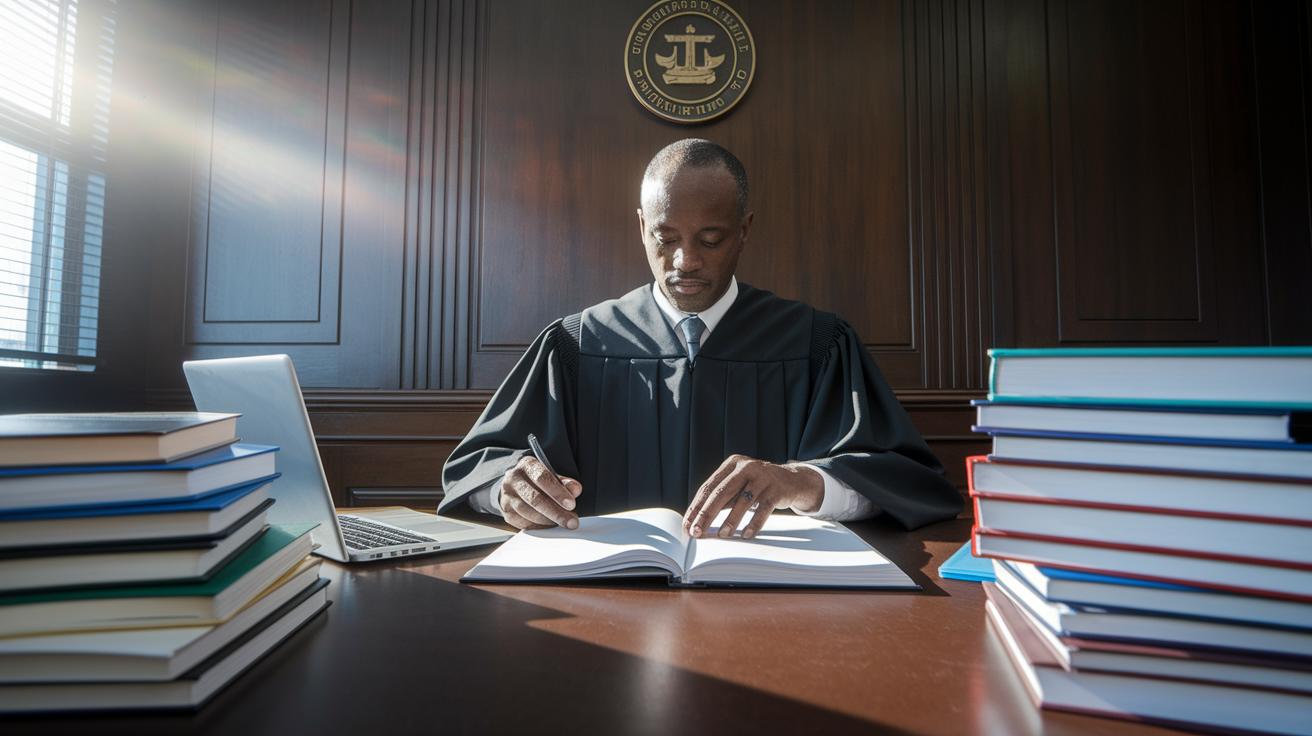
When we look at real court cases, we see how judges and legal experts blend straightforward language with deeper legal ideas. One example shows a judge using written opinions to tie past decisions to today’s laws. Another case uses what we call verdict meaning mapping, a way to use historical context to clear up confusing rulings. And then there’s the ruling reasoning blueprint, which helps ensure that everyday legal rules work hand in hand with the deeper ideas behind the law. These examples remind us that while clear legal standards are helpful, they might miss the subtle layers that give a case its full meaning. Ever wondered how these different approaches come together? They spark lively debates in administrative law and inspire fresh, sharp insights in court decisions.
| Interpretive Technique | Case or Scholar | Key Insight |
|---|---|---|
| Written opinion synthesis | Judge Allen in State v. Anderson | Blended past decisions with modern laws to tell a clear story. |
| Verdict meaning mapping | Originalist Scholar Thompson | Used historical meaning to resolve unclear language in rulings. |
| Ruling reasoning blueprint | Baude & Sachs critique | Pointed out that focusing only on everyday legal rules can miss deeper legal issues. |
These cases show the many ways legal professionals work to ground decisions in both plain language and the deeper ideas behind the law. A judge might use written opinion synthesis as a guide when past decisions light the way, while verdict meaning mapping offers historical support when the plain words of a law fall short. And by questioning if simple rules can answer complex legal questions, the ruling reasoning blueprint pushes us to think deeper. In the end, combining these techniques gives us a fuller picture of what the law truly intends, making the final decision both clear and rich in meaning.
Practical Implications of Interpretive Techniques in Case Law for Legal Practice
Recent cases show how fresh techniques can have surprising effects on legal outcomes. In one trial, a judge leaned heavily on digital records and modern data analysis, combining traditional testimony with AI insights to reach a verdict that standard text methods never predicted.
Experts point out that judges now mix hard, technical information with classic legal texts. For instance, one appellate review found that data from digital device logs added crucial context, shifting how the court read confusing legal language. In simple terms, this means that bits of digital evidence can offer new clues that change a case's outcome.
A growing trend sees courts blending digital proof with live, in-person testimony to build a fuller picture of the events. This fresh approach moves beyond old-school methods and shows how modern data can help shed light on complex legal issues.
Look at cases where digital records join human accounts. Notice how judges rely on current tech clues to rethink long-held legal ideas.
These practical methods are clearly shaping a new style of courtroom decision-making, as lawyers incorporate new technological tools into traditional legal processes.
Final Words
In the action, the blog post explored the core ideas behind case law interpretation. It reviewed textual and originalist techniques while showing how purposivist, doctrinal, and theoretical frameworks add depth to legal debates. The post offered clear examples and real case analysis to explain interpretive techniques in case law. This clear breakdown helps us see how these methods inform courtroom decisions and everyday legal practice. It leaves us motivated to use these insights for stronger legal analysis and decision-making.
FAQ
What are interpretive techniques in case law examples?
The interpretive techniques in case law examples include textual methods, originalism, purposivism, and doctrinal analysis. These examples show how judges use literal meanings, legislative intent, and past rulings to apply legal standards.
What do PDFs on interpretive techniques or interpretation of law offer?
PDFs on interpretive techniques typically explain various methods like literal interpretation and purposive analysis. They use real case examples and visuals to show how judges balance statute wording with law’s deeper meaning.
What are the key statutory interpretation rules?
The key statutory interpretation rules focus on the ordinary meaning of words, context, and legislative purpose. Some legal discussions also incorporate the mischief rule for clarifying ambiguous texts and resolving gaps.
What is an example of interpretation of law in practice?
An interpretation of law example is when courts weigh the literal text against the policy goals of a statute. This balance helps clarify rights and obligations, ensuring legal decisions align with both word and intent.
What are theories of legal interpretation?
Theories of legal interpretation include views like textualism, where words matter most, and purposivism, which focuses on legislative goals. Scholars also explore ideas from Hart and Dworkin on how basic legal standards form law.
What are the different ways to interpret the law?
The different ways to interpret the law involve analyzing text, examining legislative intent, reviewing precedent, and considering broader social values. These methods provide varied angles to ensure fair application of legal principles.
What are effective methods for finding cases that interpret a statute?
Effective methods for finding cases include using legal databases, keyword searches, and citation tracking. These strategies help locate judicial opinions that clearly explain how statutes are applied through interpretive techniques.