

Did you ever think one court decision could change how our government works? Judges have made tough choices that shift power between agencies and lawmakers. Think of big rulings as stepping stones that still affect debates today. In this article, we take a closer look at how past verdicts have redrawn the lines of power and what that means for our rights in the future. Ever wondered how these changes shape our everyday lives? Let's dive in.
Historical Foundations of Transformative Court Decisions
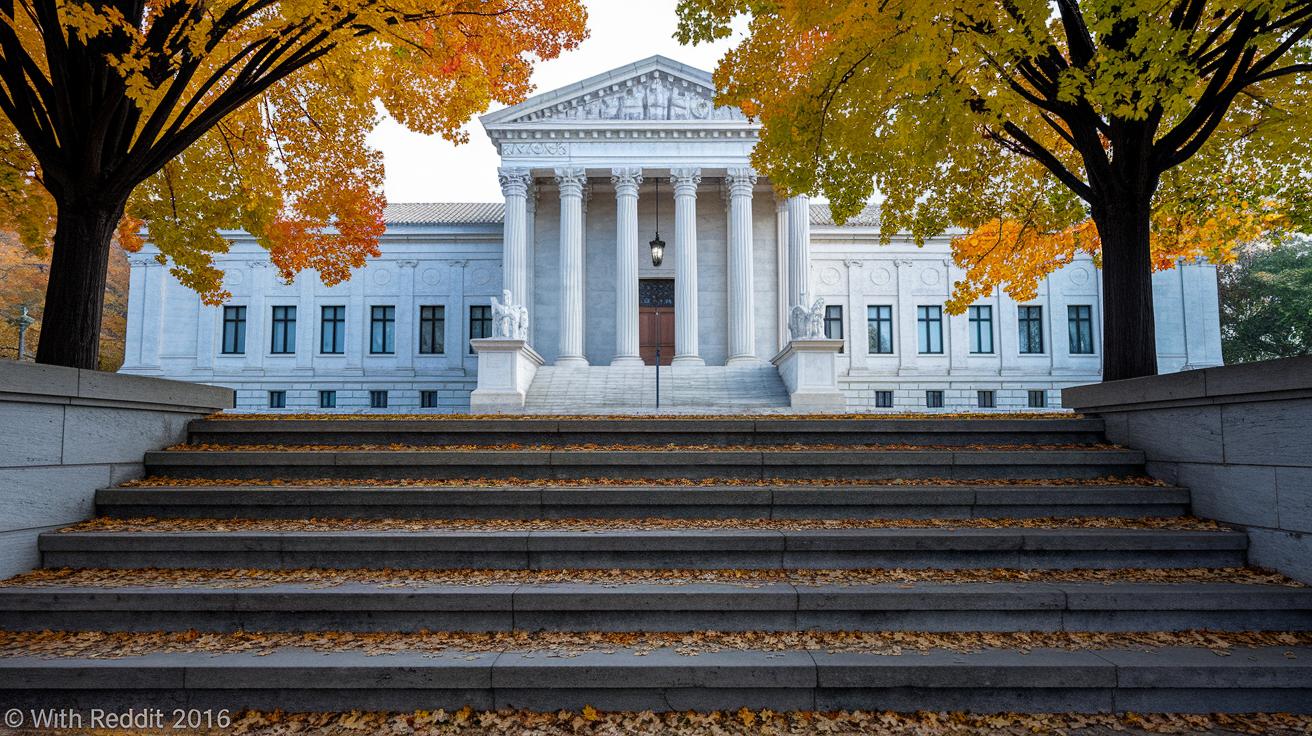
Transformative court decisions have shifted how power is shared in our government. Decades-old cases show us changes that still impact rulings today. For instance, consider the push to limit Chevron deference, a rule from 1984 that once gave agencies wide latitude in decision-making. It's eye-opening to see judges questioning practices that were taken for granted for years.
Older rulings remind us these shifts weren’t just reactions to politics. They were careful moves to balance power among Congress, federal and state courts, and administrative agencies. Think of it like a blueprint: clear boundaries once separated power, but over time, these lines began to blend.
This evolution shows us that legal authority is always changing. Early legal reviews likened law to a vast archive where every case adds a piece to today’s puzzle. As judges reexamined long-held practices, they paved the way for new debates about rights and interpretations of laws. It’s intriguing to see how decisions from the past continue to shape modern legal practices.
Landmark Verdicts That Recalibrated Governmental Power
Recent major court decisions have shifted the power among government agencies, lawmakers, and the courts. Some key cases have limited how much federal judges can review immigration agency actions when the law says they cannot do so. For example, one ruling said that federal courts should not question certain agency actions. This change narrows the broad power courts used to exercise and marks a trend toward more careful oversight of the executive branch.
Another important decision now makes it tougher to bring a tort claim under common law. In simpler terms, cases that used to qualify for damages now have to clear higher legal hurdles. Imagine a situation where a trusted legal remedy suddenly becomes out of reach, almost like a well-known shortcut disappearing overnight. Moments like these clearly show that judges are leaning toward a more restricted interpretation of the law.
Also, the rise in using qualified immunity has changed the way legal protections work. Under this new approach, a right is viewed as clearly established only when the Supreme Court says so, not by lower courts. This shift means that lower courts and legal practitioners must rethink standards they once relied on without question.
States, too, have felt these changes. Court decisions that limit state gun-control rules and public-prayer practices signal a clear shift in the balance of power. As a result, states now have to adjust their policies to keep up with a changing legal landscape, highlighting the lasting impact of these landmark rulings.
Critical Case Studies in Transformative Court Decisions

TransUnion LLC v. Ramirez (2021) shows us how past legal ideas still shape today’s courtroom debates. The court explained that Congress can’t just create new legal claims out of thin air unless they tie back to principles accepted since our nation’s beginning. In plain terms, if someone is seeking damages between $100 and $1,000, they need to back it up with real financial loss. Imagine a scenario where a mistake on your credit report leads to a loss, you can only claim damages if you actually lost money. This ruling has lawyers rethinking how they build their cases, sticking closely to time-honored principles.
Minerva Surgical, Inc. v. Hologic, Inc. (2020) gives us another clear picture of change in the legal world. In this case, the court moved away from a 100-year-old rule called equitable estoppel, which used to protect fairness in legal dealings. Now, courts want all arguments to be grounded in the current law rather than old ideas. This means legal professionals need to update their arguments and fit them with stricter, modern rules.
Here are some key points from these rulings:
| Case | Key Takeaway |
|---|---|
| TransUnion LLC v. Ramirez | Claims for damages require proof of actual financial loss. |
| Minerva Surgical v. Hologic | Old legal ideas must be backed by today’s law to be acceptable. |
These decisions bring real changes for both lawmakers and lawyers. Legal teams now have to adjust their strategies, and legislators might revisit laws to make sure they make sense in our modern world. Isn’t it interesting how these shifts remind us that even well-established rules can be reshaped? This evolving legal landscape challenges everyone to adapt, ensuring that our laws stay meaningful and clear for everyday life.
Emerging Trends in Transformative Court Decisions

Recent rulings are showing shifts in how our rights are thought about and balanced in society. Courts are now adding new rights, like allowing public officials to pray openly at events, while rolling back protections that have been in place for a long time. Imagine a situation where a judge suddenly lets officials pray in public; it really makes you think about what we expect from those in power.
These decisions mark a new chapter in our legal system. They open up opportunities for fresh interpretations of rights, but they also put long-established freedoms under the microscope. For example, some cases have narrowed reproductive rights, limited how voting rights are enforced, and even changed how the Miranda warning is used, a rule many count on in criminal cases. It’s a mix of progress and setback that makes us reflect on rights we once took for granted.
The effects of these rulings extend beyond the courtroom. They are reshaping how laws impact our everyday lives. Legal experts are watching every move closely, because each decision brings real change, from the way we vote to how personal freedoms are understood. Ever wonder how these changes might echo in your daily routine?
For a deeper look at these developments and more details on the latest supreme court legal decisions, visit https://humane.net?p=. In seeing this blend of new measures and reversals, we better understand how courts continue to redefine what rights mean, balancing modern freedoms with protections from the past.
Technological Integration in Transformative Court Decisions
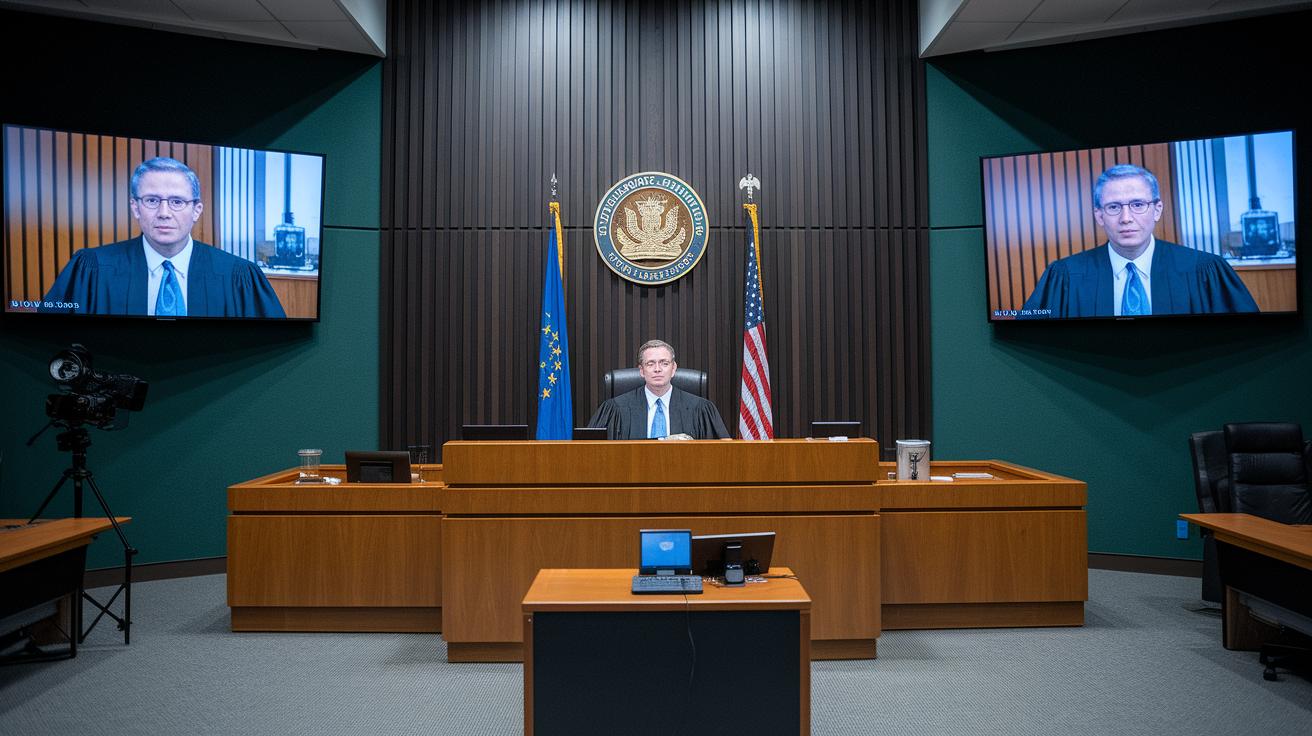
Since March 2020, courts have shifted to video calls for hearings, making a big change in how they work. The UK Supreme Court even held its first remote session on March 24, 2020, using WebEx and livestreaming. Think about a judge giving opinions from a quiet home office while everyone else joins online, it’s a fresh twist on old ways.
This digital move hasn’t been easy. Courts have had to keep running smoothly despite closing their doors, work around the effects of the virus, and create new rules for serious cases. Imagine a technical hiccup during a key testimony, like a short circuit in an electric system; it can throw a wrench into the process. Courts had to quickly mix new technology with old protocols to keep cases fair and moving forward.
New tools such as artificial intelligence are also being used. For example, AI helps find common patterns in case law, which allows judges to scan through large amounts of legal texts more quickly. While these digital court services are still ironing out some issues, they clearly show that our legal system is slowly but surely getting a modern update.
Forecasting Future Trends in Transformative Court Decisions

Experts say our courts are set for a big change as they try out new methods over the years ahead. They suggest planning for the future in pieces, short term, mid term, and long term. For instance, one idea is to boost remote court operations by building strong online systems. This could mean courts handle more cases smoothly, even when in-person courtrooms aren’t available.
The 2020s have already shown us that courts can break away from the old rules. They’ve mixed up traditional ideas with new digital tools in ways we hadn’t seen before. Think of it like updating a family recipe, you’re keeping the old magic while adding fresh ingredients. This shift means that decisions now come from a blend of modern tech and time-tested justice principles.
Looking forward, there are a few trends on the horizon. In the near future, we might see remote hearings get even better with advanced video and AI tools. Then, over the mid term, courts may combine in-person and digital approaches for a smoother experience. Down the road, as digital tools become a regular part of legal practice, our ideas of protecting rights and delivering justice could change dramatically. It’s an uncertain path, but one that holds a lot of promise.
Final Words
In the action, our discussion examined the roots of legal shifts, from pivotal rulings that reshaped government power to detailed case studies highlighting critical judicial decisions. We also reviewed how courts are adapting to new technology and outlined predictions shaping upcoming legal shifts.
Looking ahead, these transformative court decisions: historical outcomes and future trends continue to guide our understanding of law’s evolution. It’s exciting to see patterns emerge that set the stage for a more informed and balanced legal future.
FAQ
The job of being a bail bondsman is unique to the United States.
The statement about bail bondsmen shows how their work is specific to U.S. law, where these professionals manage bail and bond arrangements under a system not found in most other countries.
Do you think challenging laws in court is an effective way to bring about change?
The idea of fighting laws in court explains that legal challenges can shift policies over time, influencing how statutes and legal practices are interpreted and applied.
How did courts embrace technology to meet the pandemic challenge and update their operations?
The mention of courts using technology points to how courts adopted video conferencing and digital tools to hold remote hearings, ensuring that legal processes continued despite pandemic restrictions.
A jury is designed to consist of a defendant’s?
The question highlights that a jury is meant to be composed of a defendant’s peers, ensuring that individuals similar in background and community can fairly judge the case.
What is a previous court decision that sets future decisions to be made, and what are past decisions of the courts that influence future legal decisions called?
The description refers to precedent, which means earlier court decisions that guide future rulings by establishing key legal principles and interpretations.
How has the court evolved over time?
The discussion on court evolution explains that legal institutions have changed their procedures, structures, and even embraced new tools, reflecting shifts in societal and legal norms.
How does case law influence future legal decisions?
The reference to case law shows that past rulings help shape future decisions by providing a legal framework and guidelines that judges and lawyers follow in similar cases.