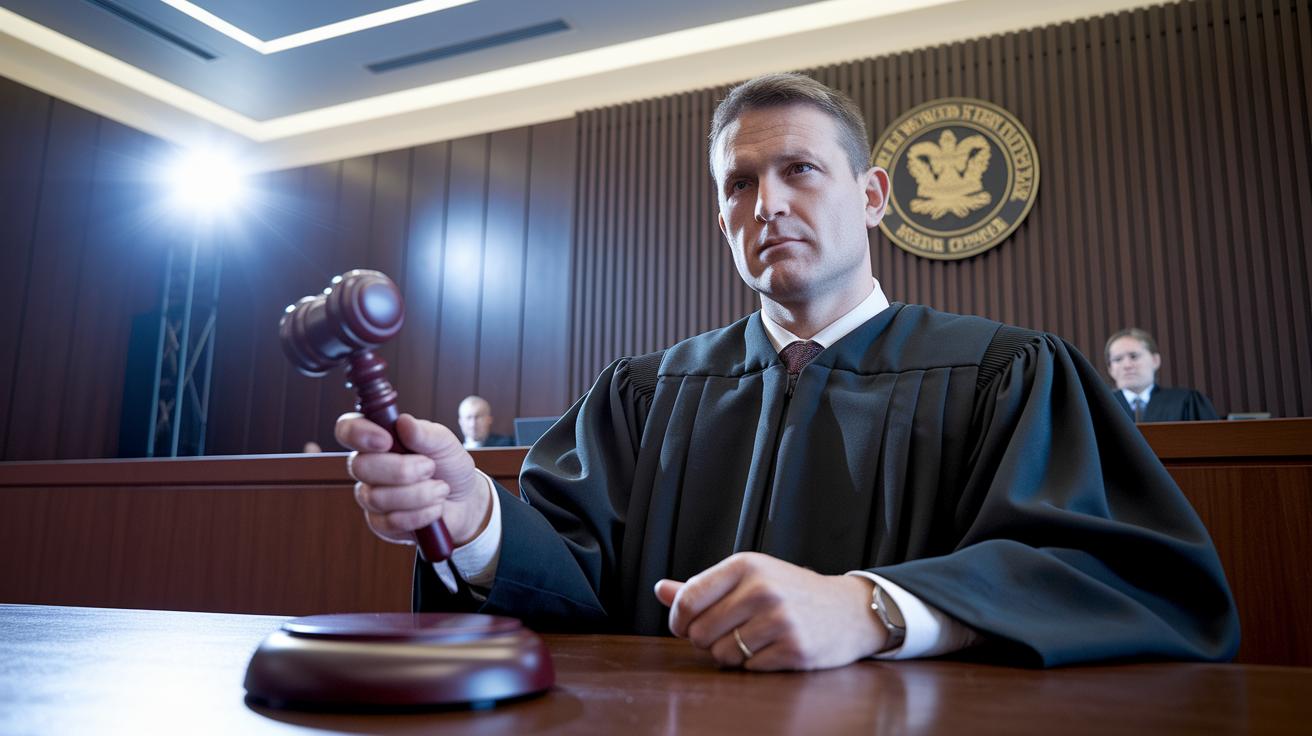

Have you ever wondered if old legal traditions still play a role in today's court cases? It's like baking with a family recipe that has been passed down for generations, where old rules mix with new challenges. Ideas set down in early court decisions often become the main points in today's legal arguments. In this post, we chat about how these long-standing practices shape both the outcomes in court and how we see our rights and disagreements. Get ready to see history at work in our modern legal system.
How Legal Heritage Shapes Modern Litigation Practices
Legal heritage means the old rules, traditions, and customs that still guide our courts today. It’s like a time-tested recipe where each step, from gathering facts to presenting arguments in court, has roots that go back centuries. Ever thought about how something from the past can influence modern life? For instance, consider how Marie Curie once carried radioactive test tubes without realizing the danger. Just as that surprising story shows a change over time, our legal system builds on long-established practices right from its earliest days.
Attorneys and judges often dig into old case decisions and trusted legal tests to help interpret the law. This isn’t just about looking at old papers, it changes how modern cases, such as those on constitutional rights like gun laws or access to abortion, are decided. In plain terms, those age-old legal rules become living strategies that shape courtroom outcomes every day.
Lawyers nowadays argue that solving a case should honor these inherited legal norms. They connect time-honored legal ideas with today's challenges to create arguments that resonate in modern courtrooms. So, legal heritage isn’t just a dusty relic, it’s a vibrant, evolving tool that keeps our legal system fair and effective over time.
Tracing Archival Jurisprudence in Today’s Litigation

The Supreme Court’s landmark decisions, like New York State Rifle & Pistol Ass’n v. Bruen and Dobbs v. Jackson Women’s Health Organization, show that old practices still shape what happens in courtrooms today. In Bruen, the Court looked at 18th-century gun laws to see if modern regulations match what early Americans thought the right to bear arms meant. It’s a clear sign that even today, legal arguments draw on ideas from long ago.
On the other hand, in Dobbs, the Court decided that abortion rights aren’t based on old traditions. The decision pointed out that if a practice wasn’t common in early American history, it might not support a constitutional right. Critics worry that relying on these old records might not be fair because those practices didn’t help everyone equally. Still, using history to decide cases shows how legal ideas have moved from old customs to modern rulings.
Modern courts mix ideas from the past with today’s views to decide cases. It’s like blending an old recipe with new ingredients to create a fair and steady legal system.
Case Studies of Heritage Doctrines in Modern Litigation
Old legal ideas still shape how our courts handle tricky cases about cultural property. Take the McClain Doctrine, for instance. First explained in United States v. McClain back in 1977, this rule came from fights over pre-Columbian artifacts brought in illegally. Even today, judges lean on it.
A good example is United States v. Portrait of Wally in 2000. Here, the court used ideas drawn from Nazi-era art rules to help decide the case. And then there’s United States v. Schultz in 2003. In that case, Egypt’s 1983 Law 117 was used to argue that the government owns certain cultural treasures.
Consider a couple more examples:
- United States v. One Tyrannosaurus Bataar Skeleton in 2012 examined if a rare fossil could be seen as stolen under the National Stolen Property Act.
- United States v. 10th Century Cambodian Sandstone Sculpture in 2013 looked at whether its cultural value and rich history might protect ownership rights.
Each of these cases shows that old legal rules aren’t just dusty history, they're active tools in modern trials. Think of it like making a recipe. Lawyers gather old case laws (like your ingredients), mix them with current facts, and serve up a persuasive argument. Sometimes you hear a lawyer say, “Using the McClain Doctrine is like recalling a winning strategy from the past.”
These case studies remind us that even ancient legal doctrines guide today’s courtroom debates. They keep our legal system connected to its past while tackling modern issues.
Theoretical Implications of Legal Heritage in Modern Litigation
Today’s courts still feel the pull of long-held legal traditions. Some worry that leaning on history might let old biases slip through the cracks. For instance, old gun laws that left out Black Americans show how outdated rules can keep unfair practices alive. This makes us pause and ask, should judges only follow the ways of the past when new issues arise?
The debate usually comes down to two clear sides. One group backs originalism, a view where judges stick closely to how the law was first understood. They believe this keeps personal opinions out of the courtroom. On the other side, many argue for a living interpretation, saying our Constitution should grow and change along with society. They fear that relying only on past customs might overlook fresh ideas about fairness and equality.
This tug-of-war highlights a real challenge: mixing old legal reasoning with today’s way of negotiating rights and responsibilities. Courtrooms end up being spots where age-old rules meet modern views, prompting lawyers to get creative with their arguments. It’s a reminder that our legal history isn’t frozen in time, it sparks lively discussions on how to serve justice in our ever-changing world.
Many legal experts see this balance as essential for keeping our legal system fair while still providing real solutions for today’s challenges.
Future Directions: Reinventing Traditional Norms in Modern Litigation
Litigators these days are mixing old legal rules with brand-new challenges that pop up in our digital world. Courts and attorneys now deal with digital evidence, international business disputes, and tech-related issues that old rules never planned for.
Because of this, legal teams are trying out fresh methods, like comparing old case ideas with new ones, to blend classic doctrines with innovative approaches. They take a careful look at past reasoning, yet they update those historic decisions so they make sense in today’s world.
This shift is all about blending the wisdom of the past with current legal issues, helping courts improve their strategies. Judges are getting more comfortable with mixing lessons from older cases with modern views on fairness, rights, and how the process should work.
As global issues and digital data keep growing, this mix of tradition and new ideas is proving to be an important guide. Lawyers believe that rethinking old norms gives them the tools and insights needed to tackle challenges no one saw coming. Truly, these changing methods might shape how litigation looks for many years ahead.
Final Words
In the action, this blog post unraveled how historical legal frameworks influence today's courtroom tactics. It highlighted standout cases, where traditional doctrines continue to guide current debates and dispute resolutions. The discussion moved from archival jurisprudence to thoughtful analysis of future legal strategies that tie our past to emerging courtroom challenges. Overall, the insights offer a clear look at the modern implications of legal heritage in litigation while opening up a positive conversation about how history can shape smarter legal decisions now and in the future.
FAQ
What are cultural heritage law programs?
Cultural heritage law programs focus on teaching laws that protect cultural artifacts and traditions. These programs equip students with skills to manage legal issues surrounding cultural property.
How does cultural property law salary vary?
Cultural property law salary varies by location, experience, and type of employer. Professionals in this field typically earn a broad range of income, reflecting market demand and specialized expertise.
What insights does strategic litigation have from global experience?
Strategic litigation, based on global experience, shows how planned legal actions can drive change. It highlights how targeted litigation influences public policy and legal practices across different countries.
What is strategic human rights litigation?
Strategic human rights litigation uses carefully selected cases to foster change. It plays a vital role in addressing discrimination and promoting social justice by challenging unfair practices in court.