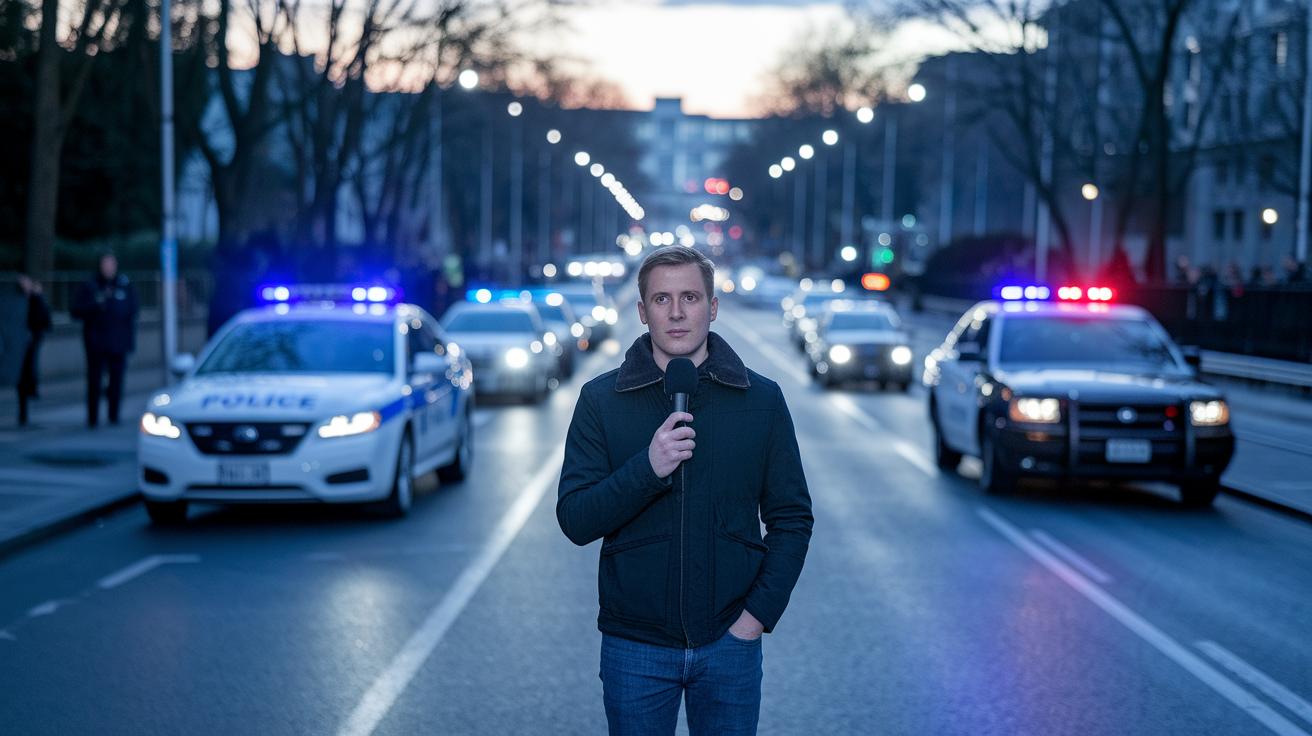

Have you ever thought about how new martial law decisions might change our everyday lives? In South Korea and the United States, recent moves have sparked conversations and even raised some tough questions about the power of governments during emergencies.
These changes include unexpected calls for action and emergency orders that remind us of past public protests. Today, every detail matters, so we’re breaking down these updates to help you understand how they could shape the way we live together in the future.
Global Martial Law News Today Overview
Key sessions are set for July 15, 2025, and July 16, 2025. On July 15, events run from 8:45 to 10:15 am Eastern Daylight Time. Then, on July 16, sessions take place at 9:15 to 10:00 am, 1:00 to 4:35 pm, and 1:30 to 2:20 pm EDT. These meetings will discuss the newest updates on martial law practices and emergency orders in different regions.
In a headline that caught many by surprise, South Korea's President Yoon declared martial law. This move, which comes as tensions rise, was highlighted with a photo credit from the South Korean Presidential Office via Getty Images. Ever wondered how such declarations echo past moments when public protests spurred similar actions?
Meanwhile, reports from the United States show that opinions are split over the government's approach. Some news sources reveal that a former U.S. leader might use martial law to counter public protests. This idea has sparked intense debate and prompted reviews at policy centers and through public opinion surveys.
Next, upcoming briefings will explain how emergency declarations might affect both public safety and government actions. Stay informed with our regular breaking legal news updates as global orders and legal moves continue to change how crises are managed.
South Korea Martial Law Declaration News
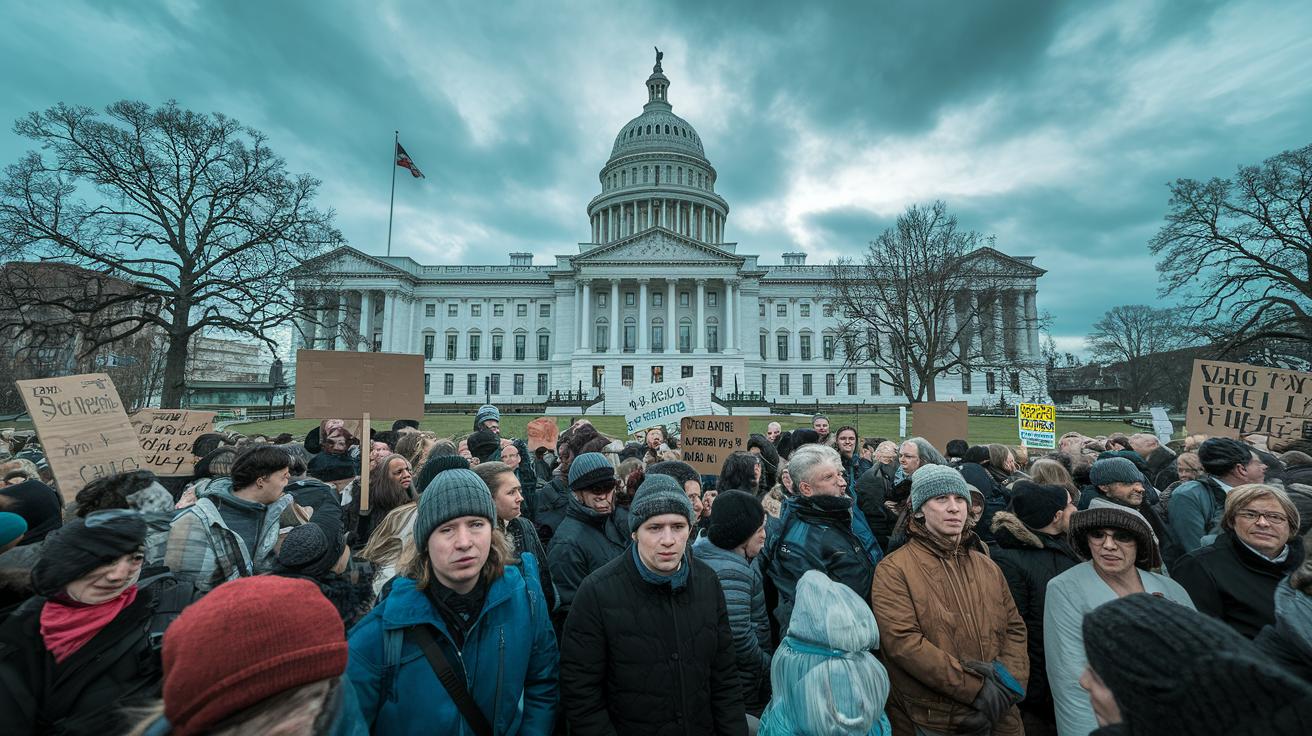
President Yoon Suk Yeol recently declared martial law, signaling a big shift in how the government handles national security and public safety. This move has people looking back at past protests where similar measures were eventually undone when citizens banded together.
Past events remind us that heavy-handed tactics often meet with strong public response. In those cases, widespread demonstrations forced changes to martial law. This time, the decision raises familiar questions about balancing strong government action with protecting individual rights.
Experts like Victor Cha, who leads the Geopolitics & Foreign Policy Department and serves as Korea Chair, say this step shows a new way of managing crises. Andy Lim and Seiyeon Ji also point out that the goal is to calm growing unrest. Early reports from the South Korea Unification Ministry via AP reveal that many locals worry about potential limits on their daily freedoms.
The public reaction is mixed. While some citizens fear that these new rules could restrict their rights, officials argue such measures are needed to maintain order amid rising regional tensions. It’s a tense situation that highlights the challenge of keeping our communities safe without losing the trust and freedoms we all value.
United States Martial Law News and Debates
In the U.S., talk about martial law is heating up. Recent reports say that a former leader might use martial law to stop protests. Polls from places like the Deep Dish Podcast and various policy blogs show that opinions are split. One comment puts it this way: "Imagine a government rule meant to limit protests that ends up cutting into free speech and peaceful gatherings."
Legal experts are sounding the alarm. They say that using martial law within our borders might upset the careful balance between presidential power and state authority. They add that emergency powers need clear limits to protect our everyday rights. In simple terms, if martial law is set loose without strict rules, it might chip away at the freedoms we all depend on.
This debate mixes both big political ideas and detailed legal questions. It helps us understand not only what many people think but also the legal challenges behind crisis orders and presidential decrees. Ever wonder how these decisions might touch our daily lives?
Historical Timeline of Martial Law News
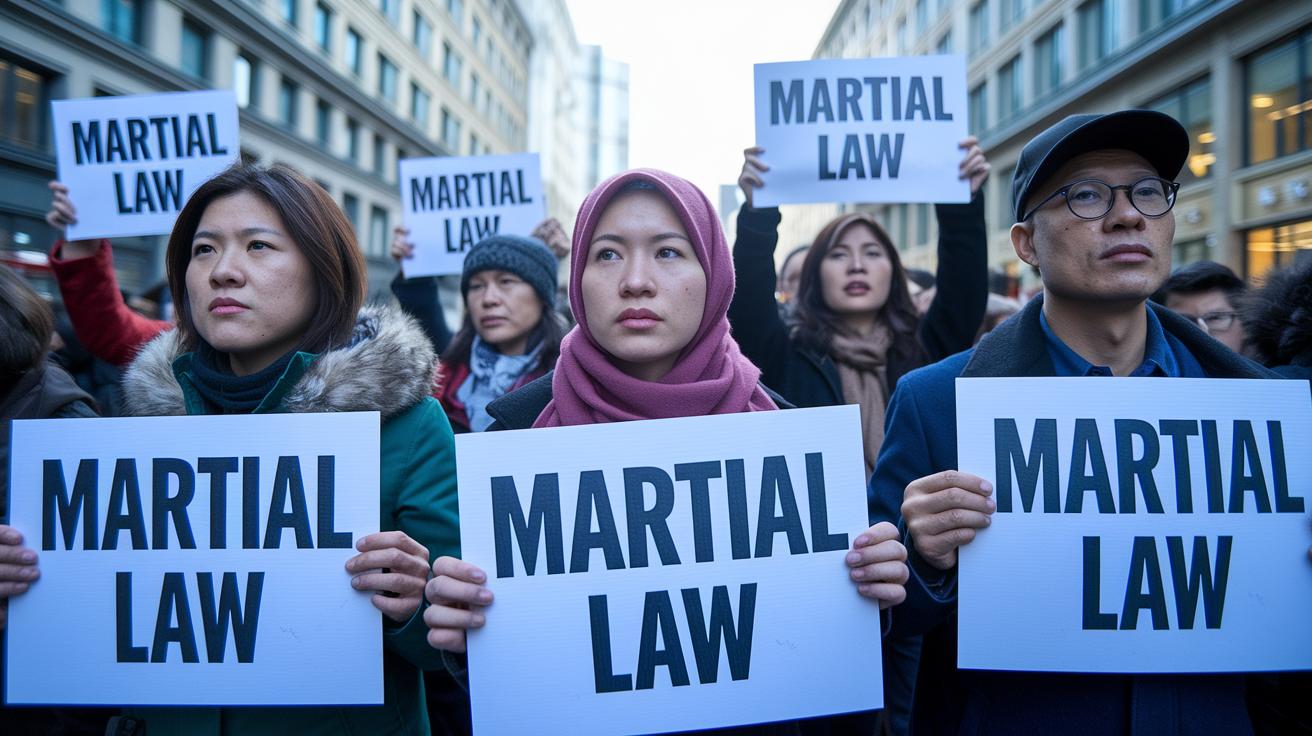
For many years, governments have turned to martial law as a quick way to handle national crises. While it sometimes helps bring order, people’s strong reactions have often led officials to rethink and pull back this measure. In South Korea, for instance, massive protests convinced leaders to end martial law, showing how public pressure can change policies.
Across the globe, similar scenes have played out. Key government orders have at times sparked worries about personal freedoms, and citizens have rallied in protest. When these public outcries grew strong, leaders found themselves forced to ease emergency powers. It’s a clear reminder that these strict measures are not meant to last forever.
In the United States, discussions are taking on a new twist. Current debates suggest that martial law might soon be considered to manage domestic protests, a shift from past policies that used such powers mostly to address external threats. The upcoming sessions on July 15–16, 2025, mark another chapter in how our world responds to emergencies.
- Martial law in South Korea ended after large-scale protests.
- U.S. debates are now focusing on using emergency powers for managing internal unrest.
Martial Law Report Analysis and Legal Perspectives
Victor Cha, Andy Lim, and Seiyeon Ji, trusted legal voices, join forces with fresh survey results to show how constitutional limits and simple, clear legal checks help keep state orders fair. They explain that having step-by-step legal safeguards is a bit like putting together a model where every little part matters to stop any misuse of emergency powers.
Think of it like building a structure where each piece fits perfectly to prevent overreach. New survey answers from policy centers reveal that people are asking for more clarity and careful use of martial law. This growing demand suggests that today's public wants government actions to be both strong and transparent, blending old practices with a call for clear oversight.
By putting these ideas together, we get a straightforward picture of how our legal rules can adjust during tough times. This balance ensures that government actions protect individual rights while staying well within constitutional boundaries.
Civil Rights and Public Response in Martial Law News
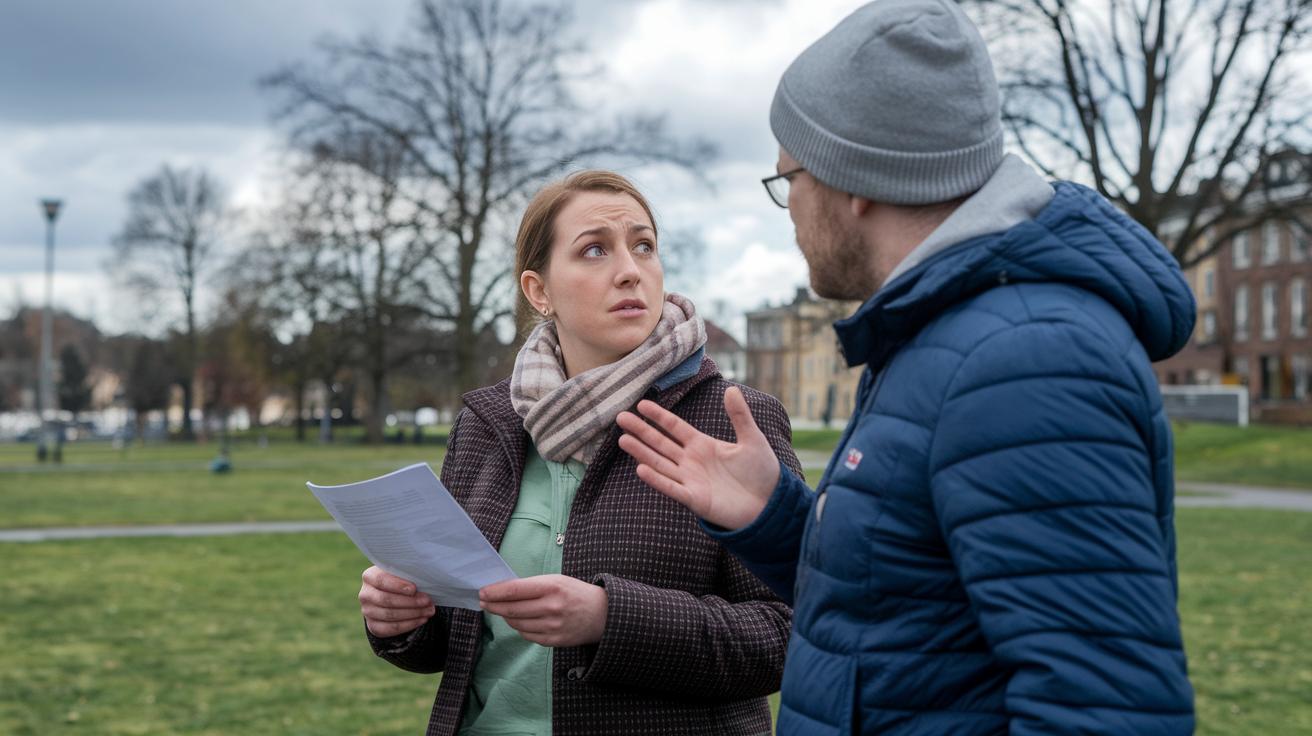
Recent surveys show mixed feelings about emergency rules. Some worry that these safety measures might limit basic freedoms like moving around, speaking up, or gathering with others. At the same time, many agree that clear, fair rules are needed to keep us safe while protecting our rights.
- Many are concerned that everyday freedoms could be lost.
- People are asking for emergency rules that are clear and fair.
- Citizens insist that their rights stay strong, even in hard times.
Final Words
In the action, this article offered a quick look at global events, spotlighting South Korea’s martial law declaration and U.S. debates over emergency mandates. We reviewed a historical timeline of state orders, discussed legal insights, and touched on how public responses shape these crises. Each section helped piece together the impact of emergency rules on society and the law. We hope this summary gives you clear, engaging insight into today’s pressing matters and inspires further exploration of martial law news.
FAQ
What happens if martial law is declared in the United States?
When martial law is declared in the United States, military control can replace local civilian authorities. Emergency measures may limit public assembly, movement, and normal legal procedures as the military enforces order.
Has martial law ever been declared in the US?
In the United States, full-scale martial law is rare. There have been instances of high military presence and restricted civil order during crises, but no modern declaration fully replacing civilian governance across the nation.
What rights are taken away during martial law?
Under martial law, certain civil rights like freedom of movement, speech, and the right to meet may face limitations. These restrictions are put in place to maintain order and public safety during emergencies.
Is martial law still in effect in Ukraine?
Martial law is not currently active in Ukraine. While the country has taken strict emergency measures during conflicts, it does not have an ongoing, formal martial law declaration.