

Ever wonder how the rules that protect our freedoms can change when everything around us seems to speed up? Today’s legal systems aren’t the same as they used to be. They’ve grown from simple traditions into complicated sets of laws that deal with modern challenges like cybersecurity and economic fairness.
This change is a lot like mixing trusted, old ingredients with fresh ideas. Imagine a recipe where each part, from tradition to innovation, helps create laws that work for our fast-changing world. It’s interesting to see how this evolution affects our daily lives, especially now when technology is a constant presence.
In this piece, we'll take a closer look at how legal systems are evolving in the 21st century. We’ll explore the practical impact of these changes on society and ask, “How do these new rules shape the way we live in today’s tech-driven and globally connected world?”
21st Century Legal Frameworks: Adapting to Modern Challenges
Legal systems have come a long way. They started as simple customs and grew into modern rules that protect our rights and support busy economies. It’s a bit like following a recipe. You gather old traditions, mix in new global trends, and create laws that deal with both age-old issues and today’s challenges.
After World War II, everything changed. In 1945, the United Nations was formed, and documents like the Universal Declaration of Human Rights helped set new standards for fairness. Countries began to share these basic rights, and these early steps still guide how we understand justice today.
Now, technology and global links are shaking things up again. Cyber threats, data privacy issues, and new ways to make digital agreements mean our laws must adapt fast. People from many fields, economics, sociology, and tech, are teaming up to help our legal systems stay strong and flexible. This constant change shows how much we all value fairness and reliable rules in our fast-moving world.
Key Legislative Reforms Shaping 21st Century Legal Frameworks

Modern law is always evolving to keep up with our changing world. Lawmakers work hard to update rules quickly when new economic and social needs arise, and they simplify the language so it's easier for everyone to understand. Early results from these changes show that speeding up the process can make legal steps work better in our competitive society. It builds trust when rules address everyday challenges with modern ideas and clearer direction.
- USA Patriot Act (2001) – Created when security worries were high, this law strengthens efforts to stop terrorism.
- Dodd-Frank Wall Street Reform (2010) – Overhauled how financial markets are watched over to help avoid future economic troubles.
- GDPR (2016) – Set up broad rules across Europe for personal data protection, making sure your private details are safer.
- California Consumer Privacy Act (2020) – Gave California residents more power to manage how businesses use their data.
- First Step Act (2018) – Aimed to balance federal sentencing and offer paths for rehabilitation.
- Affordable Care Act (2010) – Expanded healthcare coverage and worked to improve public health options.
- Plain-Language Statutes Act initiatives – Pushed for digital law-making and the use of plain language to make rules more understandable.
These reforms show a clear trend toward using digital tools and simple language in lawmaking. By making laws easier to read and follow, legal systems help everyone understand their legal obligations without extra confusion.
Judicial System Modernization in the Evolution of Legal Frameworks
Updated Appellate Procedures
Courts are stepping into the digital age to make appeals faster and easier for everyone. Instead of piles of paper, most courts now use e-filing systems that quickly move cases through specialized divisions. Live video testimony is also becoming common, so parties can present evidence without the long wait. In one case, using live video cut the wait time in half, making the process smoother for all involved.
New, expedited appeal tracks further shrink timelines, ensuring that legal decisions come through much faster. Plus, judges and clerks are working closer than ever, with joint training sessions that blend modern tech skills with traditional legal know-how. This shift not only speeds up the process but also makes it clearer and fairer for everyone.
Shifting Sentencing Philosophies
There's a noticeable move away from inflexible mandatory minimums. Courts are now embracing risk-assessment tools, which are simple checks to gauge how risky a situation might be, that work alongside a judge's experience. Imagine a case where an algorithm, much like following a recipe, teams up with a judge's insight to decide a fitting sentence. This change lets the courts tailor punishments to fit each situation and puts a strong focus on rehabilitation.
At the same time, updated prosecutorial guidelines are pushing for diversion programs and rehabilitation over strict punishments. Judges and prosecutors are teaming up to explore alternatives that help reduce repeat offenses. This shift shows a growing belief that the law should adapt to individual circumstances, keeping our justice system both fair and more centered on people’s real lives.
Technological Disruption in 21st Century Legal Frameworks: Digital Governance and Cyber Judiciary Developments
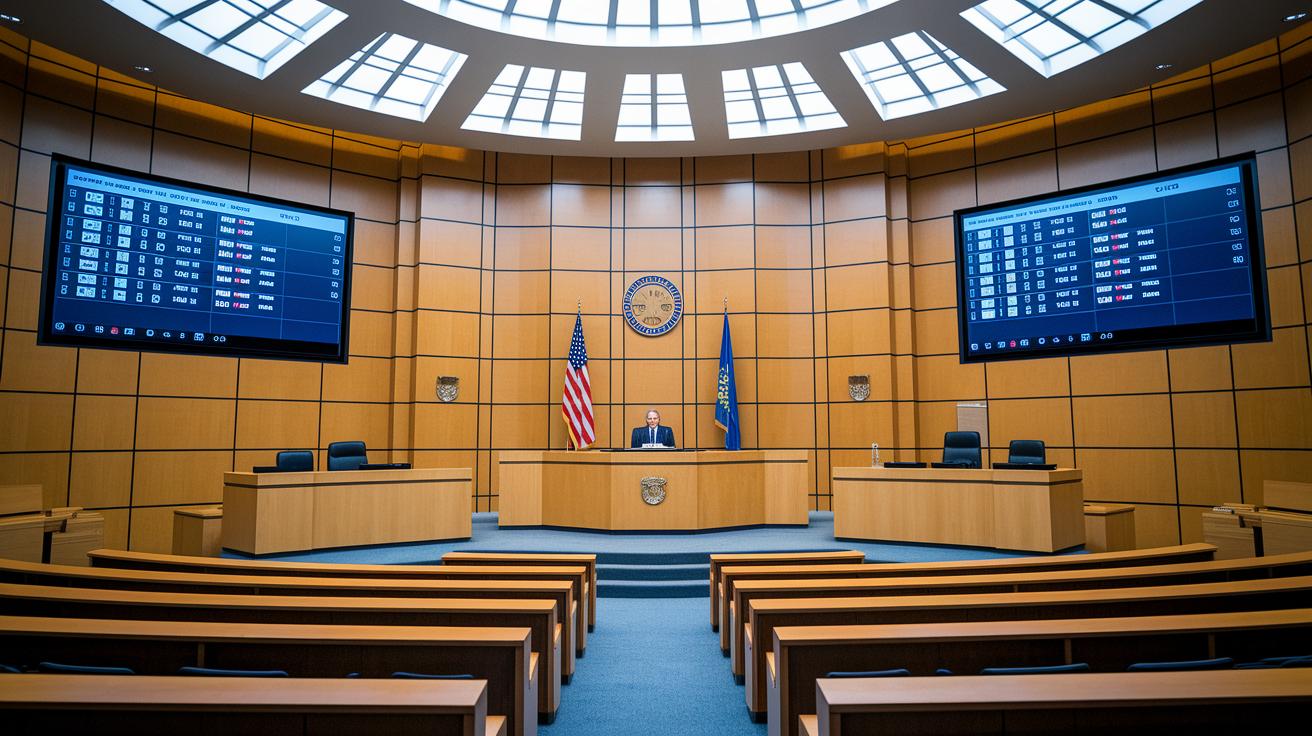
Modern courtrooms are quickly changing thanks to new digital tools. E-filing, online hearings, and even blockchain technology are making it easier for cases to move along. These upgrades help resolve issues faster and let everyone see what’s happening. Plus, early trials with AI in areas like small claims and traffic cases hint at faster results without cutting corners on fairness.
Digital recordkeeping is changing the game too. Courts now use cloud-based systems that automatically sort and secure important legal data. Smart contracts help keep track of evidence, cutting down on mistakes and delays. And with strong cybersecurity in place, sensitive information stays protected. All these advances are making legal processes work smoother and become more accessible for everyone.
| Technology | Impact | Example Use |
|---|---|---|
| E-filing Systems | Faster document submissions and processing | Handling court filings online |
| Virtual Hearing Platforms | Remote and efficient court sessions | Online courtroom proceedings |
| Automated Decision Systems | Quicker resolutions for minor cases | AI-assisted management of small claims and traffic violations |
| Cloud Recordkeeping | Secure data storage and quick indexing | Managing legal evidence with smart contracts |
Societal Impact on the Evolution of 21st Century Legal Frameworks
Political pressure and activist energy are shaking up our legal landscape. Global changes and growing money gaps have pushed lawmakers to rethink old civil rights rules. Public protests and movements like #MeToo and Black Lives Matter have urged officials to fix laws that left many people behind. Now, governments are under pressure to scrap outdated rules and replace them with laws that better protect everyone’s rights. Countries are teaming up and signing agreements that strengthen justice across borders, keeping pace with our connected world. This shift challenges old ways of thinking and welcomes fresh, modern ideas.
At the same time, our legal system is getting more open and easier to use. Courts, legal aid groups, and public agencies are working hard to share clear information and offer free help to those in need. More access to court records and online resources means everyday people can understand and defend their rights better than ever. This move not only reinforces laws about human rights, but it also gives people a real chance to take part in legal matters, ensuring that justice is available to everyone.
Future-Oriented Governance Strategies in 21st Century Legal Frameworks
Looking ahead, our legal systems need clear, forward-thinking plans to handle rapid changes. Lawmakers, regulators, and judges are rethinking rules to keep pace with global events and digital breakthroughs. They’re exploring ideas like quickly updating constitutional processes during emergencies and using AI as a helpful tool in court decisions. These steps aim to make legal systems more flexible, ensuring that courts and governments can adjust to modern challenges while keeping things transparent.
Algorithmic Governance Challenges
When we bring digital tools into making rules, questions about fairness and openness naturally come up. For example, using computer algorithms to help draft laws or support legal decisions can spark concerns about hidden biases and overly complex processes. Some worry that without careful oversight, these systems could stray from the true meaning of justice. Even though well-monitored automated processes can speed up decisions, making sure they remain fair and responsible is a challenge. Ever wondered how everyday fairness might be affected? The answer could lie in blending smart technology with solid human checks.
Emerging Regulatory Architectures
New, tech-smart legal models are starting to take shape. These approaches use modern, digital methods to update laws more quickly and easily, even across different countries. This could open doors for smoother digital trade and more cooperative international efforts. Such regulatory systems focus on clear, adaptable rules that can change as needed to match the fast pace of today’s global economy. By building structures that are both open and quick to change, legal institutions are getting ready to rise to the challenges of the 21st century while making governance more inclusive and resilient.
Final Words
In the action, the article traced the shift from old customary practices to today's modern legal systems tackling digital and global challenges. We covered key legislative reforms, modern judicial updates, and technological changes that reshape courts and laws. Social pressures and future-focused governance strategies also came into play as we witnessed the evolution of legal frameworks in the 21st century. This robust look at modern legal shifts leaves us optimistic about building a clear, fairer path forward in our legal systems.
FAQ
What does the evolution of legal frameworks in the 21st century PDF/essay cover?
The evolution of legal frameworks in these documents explains how legal systems shifted from old customary practices to modern rules. They highlight human rights growth, digital challenges like cybersecurity, and global legal responses.