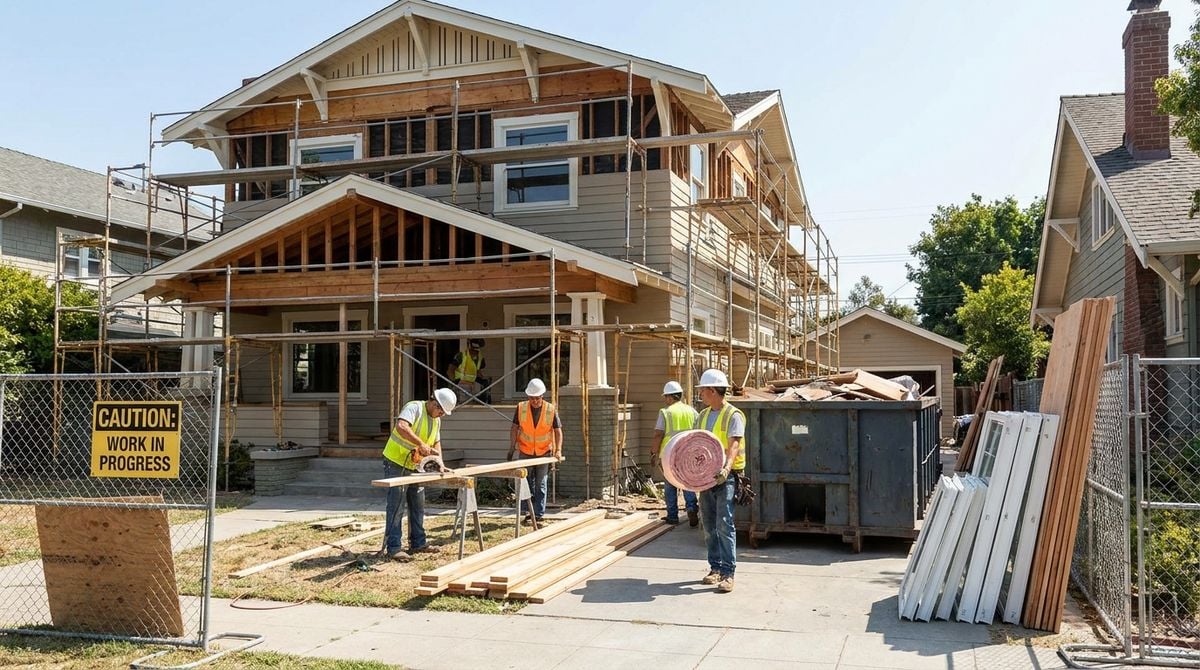

Every weekend, property owners across the country take on ambitious home renovation projects to improve their living spaces, upgrade obsolete fixtures, and build equity. The satisfaction of personal craftsmanship and the desire to save on labor expenses make do-it-yourself renovations an attractive alternative to hiring commercial general contractors. However, when enthusiastic homeowners bypass local building departments, they frequently enter complex legal territory that can undermine property values and generate severe liabilities.
Residential building codes exist primarily to ensure structural integrity, fire resistance, occupant safety, and public health. When alterations are completed without required municipal oversight, the resulting legal consequences rarely stay hidden forever. Unpermitted improvements frequently trigger code enforcement actions, invalidate casualty insurance claims, complicate mortgage refinancing, and generate costly litigation during subsequent property sales.
Municipal Permitting and Building Code Compliance
Building departments operate under municipal ordinances designed to enforce uniform standards across residential housing. Local jurisdictions establish distinct thresholds for when a property owner must file an application, submit architectural drawings, pay administrative fees, and schedule on-site inspections. While minor cosmetic improvements typically proceed without formal notice, any structural alteration, electrical addition, or mechanical reconfiguration requires formal permits.
Many property owners draw creative motivation for major architectural overhauls from popular programs on DIY Television, which routinely showcase dramatic room transformations completed in tight timeframes. While entertaining, these fast-paced broadcasts rarely depict the administrative delays, technical plan reviews, and rigorous municipal inspections that legal construction demands in everyday practice.
When municipal code enforcement officers discover construction underway without an active permit, they possess broad administrative authority to intervene. Officers commonly issue formal stop-work orders, post violation notices on the property, and levy cumulative daily fines until compliance is achieved. In severe situations where uninspected work threatens public safety, building officials can order the demolition of unauthorized additions or require homeowners to open up finished walls so inspectors can review hidden framing and electrical lines.
Homeowners Insurance and Property Damage Claims
A frequent blind spot for do-it-yourself renovators involves casualty and hazard insurance. Standard residential property insurance policies represent contractual agreements where coverage depends on compliance with local building standards and standard maintenance obligations. Insurers routinely exclude coverage for losses arising from faulty workmanship, defective materials, or unauthorized structural changes.
If an unpermitted electrical modification causes an electrical fire, or if an unauthorized plumbing reconfiguration causes extensive water damage to subflooring, the insurance adjuster will closely examine the loss origin. When forensic investigators determine that damage stemmed directly from uninspected, substandard work performed without municipal permits, the carrier may deny the claim entirely. Leaving a homeowner personally responsible for catastrophic rebuilding costs can turn an affordable home improvement into financial ruin.
Third-party liability creates another layer of exposure for property owners who undertake structural projects. When unpermitted exterior decks, retaining walls, or staircases fail and cause bodily injury to guests, tenants, or visiting tradespeople, injured parties frequently pursue personal injury claims. Courts evaluate whether the homeowner fulfilled their legal duty of care, and failing to secure mandatory safety permits serves as compelling evidence of negligence during litigation.
Mandatory Seller Disclosures and Future Real Estate Transactions
Real estate transactions require property owners to complete comprehensive disclosure statements detailing the physical condition, history, and legal compliance of their homes. State statutes routinely require sellers to disclose known structural alterations, room additions, or major mechanical updates completed without required permits. Failing to disclose these modifications constitutes misrepresentation or fraudulent concealment.
During the due diligence period, prospective buyers routinely retain professional home inspectors who scrutinize visible structural, plumbing, and electrical components. When inspectors identify non-standard work, buyers quickly request municipal permit histories. If the records reveal unpermitted square footage or unauthorized electrical panels, buyers may cancel the purchase agreement, demand substantial price reductions, or require the seller to remediate the violations prior to closing.
Educational resources and lifestyle guides such as thehomezoo.net provide valuable guidance on making residential spaces more comfortable and functional for modern households. Nevertheless, every livability enhancement that alters the underlying infrastructure of a dwelling must be recorded accurately through public municipal channels to prevent severe title hurdles and transactional disputes when the property eventually enters the open market.
Distinguishing Between Cosmetic Updates and Permitted Work
Navigating the legal boundary between simple home maintenance and regulated construction requires a clear understanding of building codes. Property owners generally enjoy full autonomy to paint interior walls, install modular floor coverings, replace surface-mounted light fixtures, or refresh decorative trim without notifying government officials. The legal mandate for formal oversight begins when a project touches life-safety systems or alters load-bearing capacities.
Residential building codes generally classify the following projects as requiring administrative permits and certified inspections before construction commences:
- Structural alterations involving load-bearing wall removal, window resizing, or roofline adjustments
- Electrical modifications involving new circuit installations, panel upgrades, or altered branch wiring
- Plumbing work involving supply line rerouting, drain stack adjustments, or water heater replacements
- Exterior structural construction involving elevated decks, retaining walls, and detached accessory units
Homeowners who want to upgrade residential aesthetics without crossing regulatory boundaries often collaborate with design specialists rather than undertaking complex structural work alone. In these collaborative scenarios, reviewing essential protections when working with interior designers helps clients establish unambiguous contractual scopes, clarifying which design elements are decorative and which require licensed engineering oversight.
Practical Steps to Remediate Unpermitted Residential Work
For property owners who discover that past DIY projects or prior owner renovations lack required documentation, proactive remediation is the most effective legal defense. Many municipal building departments offer compliance programs or administrative amnesty avenues that encourage owners to bring unpermitted improvements into statutory alignment without facing punitive sanctions.
The remediation process begins by engaging a licensed structural engineer or professional architect to draft as-built architectural plans. These professional drawings reflect current conditions and provide the local building official with a verifiable baseline for code evaluation. In some jurisdictions, structural technicians utilize specialized non-destructive testing tools, such as thermal imaging and endoscopes, to inspect wall cavities without causing unnecessary demolition to finished surfaces.
Once plans are submitted, a certified municipal inspector visits the premises to conduct an on-site evaluation. If the work meets code standards, the department can issue a retroactive certificate of completion or an updated certificate of occupancy. If the inspection reveals code deficiencies, the homeowner receives a detailed punch list of corrective actions that must be completed by a licensed contractor before closing the administrative record.
Tackling residential improvements can bring personal fulfillment and enhance daily living, but structural and mechanical systems demand strict adherence to governing statutes. By treating municipal building codes as protective safety standards rather than bureaucratic obstacles, homeowners preserve their legal rights, secure their insurance coverage, and protect their long-term equity.