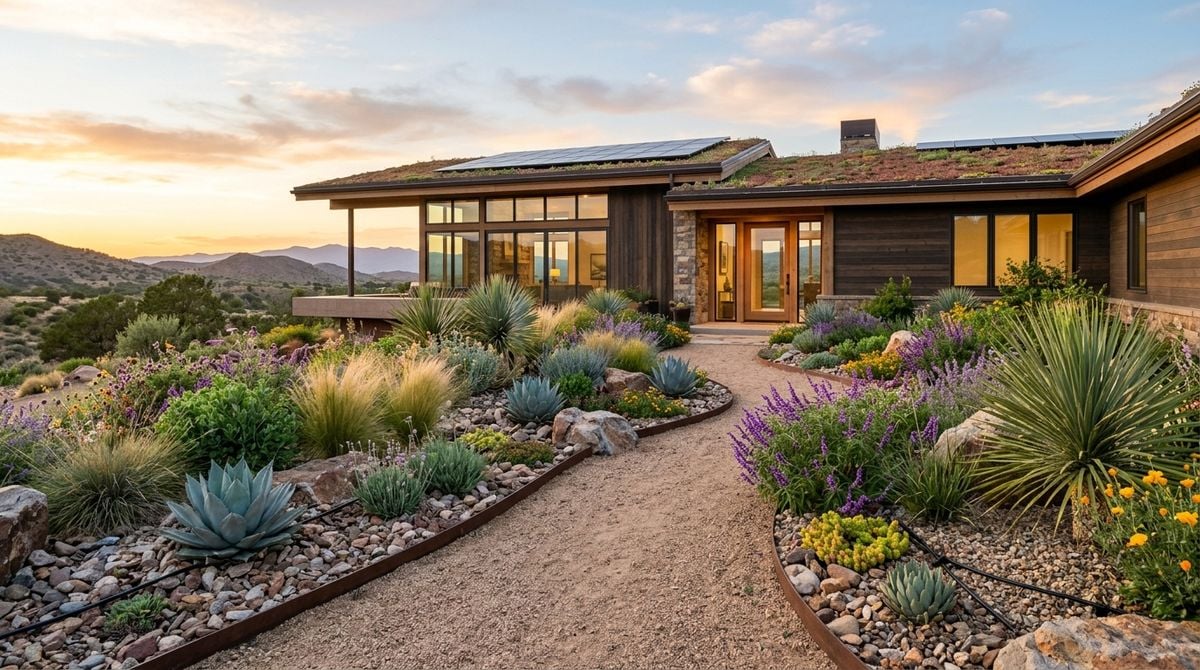

Residential property owners and tenants increasingly seek practical ways to lower utility consumption, minimize daily environmental footprints, and foster sustainable living spaces. Popular green upgrades often include residential solar array installations, high-efficiency plumbing fixtures, intelligent climate control systems, rainwater catchment setups, and advanced building insulation. While these ecological improvements offer substantial personal and environmental advantages, they regularly intersect with complex municipal codes, property laws, and contractual obligations.
Successfully implementing green modifications requires a clear understanding of property ownership limits, neighborhood zoning regulations, and residential lease agreements. Before committing resources to structural adjustments or energy retrofits, occupants must understand who holds legal title and who possesses the contractual authority to authorize alterations. Overlooking municipal ordinances or contractual restrictions can quickly lead to contentious administrative penalties, formal breach of contract disputes, or mandatory removal of costly installations.
Understanding Property Rights and Environmental Modifications
Property owners generally enjoy wide latitude to renovate their residences, yet their legal rights remain subject to public safety ordinances and private deed restrictions. When an owner decides to upgrade residential heating systems, install thermal windows, or implement greywater systems, the project must comply with regional building codes. Municipal building departments establish these standards to protect structural integrity, prevent electrical fires, and ensure sanitary plumbing across residential communities.
In planned developments and subdivisions, homeowner associations frequently enforce aesthetic and structural guidelines. These private restrictive covenants often regulate exterior appearance, roof alterations, and visible mechanical equipment. However, many jurisdictions have enacted statutory solar access laws that prevent community associations from unreasonably restricting renewable energy devices. Property owners should carefully review state statutes alongside neighborhood covenants to assess whether planned green additions receive legal protection against association bans.
Creating a sustainable residence is often part of a broader vision to build a serene and healthy environment for loved ones. Families striving to design a comfortable living space often explore ideas from Shiawase Home to conceptualize peaceful domestic layouts, but every functional update requires sound legal footing. Securing appropriate municipal permits and verifying zoning setbacks prior to construction ensures that dream home enhancements remain lawful and fully protected under property statutes.
Navigating Landlord Consent and Green Lease Agreements
For residential tenants, legal authority to make physical modifications is strictly limited by the underlying lease contract. Standard tenancy agreements usually contain explicit clauses prohibiting structural alterations, wall modifications, or electrical changes without written landlord consent. A tenant who installs low-flow plumbing fixtures, heavy window thermal treatments, or specialized composting setups without prior authorization may face lease termination notices or deductions from their security deposit upon move-out.
The common law doctrine of fixtures plays an important role in rental upgrades. Under property law, personal property attached to real estate can become a permanent legal fixture that belongs to the landlord upon lease expiration. Unless the parties draft an explicit written agreement specifying ownership and removal rights, a tenant might spend substantial resources on an eco-friendly system only to lose ownership of the hardware when their tenancy concludes.
A well-drafted green lease addendum bridges this divide by balancing ecological goals with mutual legal protections. Such agreements define approved modifications, specify which party pays for installation and maintenance, and determine whether items must be removed upon lease termination. Renters pursuing responsible, low-impact lifestyle practices can discover valuable context through specialized educational communities. For tenants striving to minimize waste and conserve energy without breaching lease conditions, resources such as Greenrenters.org provide helpful suggestions on sustainable living practices and reversible home adaptations. Collaborating openly with property managers creates opportunities for win-win efficiency upgrades.
Practical Steps for Securing Approval for Sustainable Changes
Securing lawful approval for residential green updates requires an organized, step-by-step approach. Whether dealing with a local municipal planning office, an association architectural committee, or a property manager, preparation significantly reduces administrative friction and legal pushback.
Occupants and owners should follow a disciplined process before ordering specialized equipment or permitting contractors onto the premises:
- Review governing documents, such as deed covenants, condominium bylaws, or residential lease agreements, to identify all relevant alteration restrictions.
- Prepare detailed design drawings and equipment specifications showing that the proposed installation meets modern safety and electrical standards.
- Submit a formal written proposal to the landlord or community board well before any anticipated construction start date.
- Obtain required municipal building, mechanical, or plumbing permits from the local building authority prior to commencing physical work.
- Conduct a comprehensive pre-work walk-through with dated photographs to record existing structural conditions and baseline property features.
Maintaining a dedicated project file with approved applications, contractor licenses, and municipal sign-offs protects the resident from future administrative disputes. If property ownership transfers or community management personnel change, these written records serve as conclusive proof that all alterations were executed with proper legal consent.
Resolving Environmental Disputes and Habitability Concerns
Even well-intentioned environmental renovations can trigger interpersonal or contractual disagreements. Over-insulating older buildings or improperly sealing building envelopes can disrupt natural airflow, trapping indoor humidity and contributing to moisture problems or indoor air contaminants. When unintended environmental side effects arise, property owners and occupants must address statutory habitability requirements and statutory maintenance duties.
Landlords have a non-waivable legal duty to maintain rental dwellings in a safe, habitable condition suitable for human residence. Our comprehensive legal guide on resolving indoor air quality disputes explains how statutory habitability standards allocate remediation responsibilities between landlords and tenants when moisture or ventilation problems arise. Promptly addressing environmental imbalances ensures that eco-friendly updates do not inadvertently compromise occupant health or trigger habitability litigation.
Neighbor disputes can also develop over green installations, such as reflective glare from solar panels or boundary drainage issues from rainwater collection tanks. In these situations, voluntary alternative dispute resolution mechanisms provide a faster, more affordable solution than formal court proceedings. Working with a neutral mediator enables neighboring property owners to negotiate reasonable screening, reposition equipment, and resolve misunderstandings while avoiding protracted civil litigation.
Drafting Clear Agreements for Long-Term Property Value
Sustainable property enhancements should enhance everyday living comfort while strengthening real estate asset value over time. Achieving this goal requires clear written contracts with licensed contractors that include explicit mechanic lien waivers, detailed scopes of work, and clear equipment warranties. Property owners should also document all completed improvements in anticipation of future property sales, since many jurisdictions mandate accurate disclosures regarding permitted modifications and unpermitted structural alterations.
When residential efficiency projects are executed in strict accordance with municipal laws, lease agreements, and neighborhood covenants, they deliver lasting environmental and functional benefits. Combining thoughtful environmental planning with sound legal safeguards protects all parties, ensuring that modern residential upgrades remain secure, lawful, and sustainable for the long haul.