

Have you ever thought about what happens when the law doesn’t say everything? Federal common law fills in the blanks by using past court decisions. It’s like following a flexible recipe, mixing old rulings with today’s needs to keep courtrooms fair.
In this post we’ll take a look at how this judge-made law came about, evolved over time, and still shapes our legal system today. Ever wondered how a decision from years ago might impact you now? Let’s dive into the origins and real-life effects of federal common law on U.S. law.
Defining Federal Common Law and Its Role in the U.S. Legal System
Federal common law is judge-made law. Instead of coming from lawmakers, it grows from judges using past decisions to address gaps in written laws. When a case doesn’t have clear guidance from a statute, judges look back at earlier rulings to steer their decisions.
The Erie Railroad Co. v. Tompkins case marked a big turning point. It replaced the older method that let federal courts create broad rules in cases involving parties from different states. From then on, judges in these cases had to follow state laws for clear instructions. However, federal courts can still shape limited common law in special areas like foreign relations and admiralty law.
Common law is an important tool for judges to fill in the blanks when the written law doesn’t say enough. It acts like a flexible recipe that combines past rulings with the facts of today’s disputes. Ever wondered how judges manage when the law is silent? They rely on these time-tested principles to ensure decisions are fair and consistent.
Historical Development of Federal Common Law Principles

Federal common law started to take shape in the early days of American law. Back in Swift v. Tyson (41 U.S. 1, 1842), the Supreme Court let judges create their own rules for business deals when no specific federal law was in place. Think of it like trying to make a new recipe without a clear set of instructions. Judges stepped in to guide how merchants should trade, setting standards that reached across many states.
Then came Erie Railroad Co. v. Tompkins (304 U.S. 64, 1938), a decision that changed everything. This ruling told courts to lean on state laws in cases between people from different states. It was like redrawing a map, reminding everyone that state rules should steer federal cases in these matters. This shift made legal experts and practitioners pause and rethink the role of common law in federal courts. Ever wondered how one ruling could change the whole system?
Soon after, Klaxon Co. v. Stentor Electric Mfg. Co. (313 U.S. 487, 1941) took the process even further. The court said that federal judges must follow state rules for conflicts of law. With this decision, the mix of state and federal ideas grew even stronger, ensuring that federal law stayed closely linked to the ways states had always handled these issues. Each of these key decisions built on the last, gradually shaping a system where federal judges and state traditions worked hand in hand.
Doctrinal Foundations and Permissible Federal Lawmaking
Federal common law happens when judges step in to create rules if no clear law exists. Courts use this method for cases like claims against government officials, issues with foreign relations, maritime matters, and disputes about government immunity. It’s a way to fill in the missing pieces by relying on past, trusted decisions, kind of like following a favorite recipe when the instructions aren’t complete.
Judges work within strict limits set by our Constitution. They aren’t allowed to just make up new rules whenever they feel like it. Instead, they must follow the separation of powers, which makes sure each branch of government sticks to its own job. It’s like playing a game where everyone agrees on the same rules from the start.
By carefully using judge-made law, federal courts can tackle issues that written laws don’t cover while keeping true to long-standing principles. Judges lean on earlier rulings and only adjust areas that the Constitution lets them, ensuring they don’t overstep. This balanced approach helps our legal system stay both flexible and steady.
Landmark Cases and Precedents in Federal Common Law
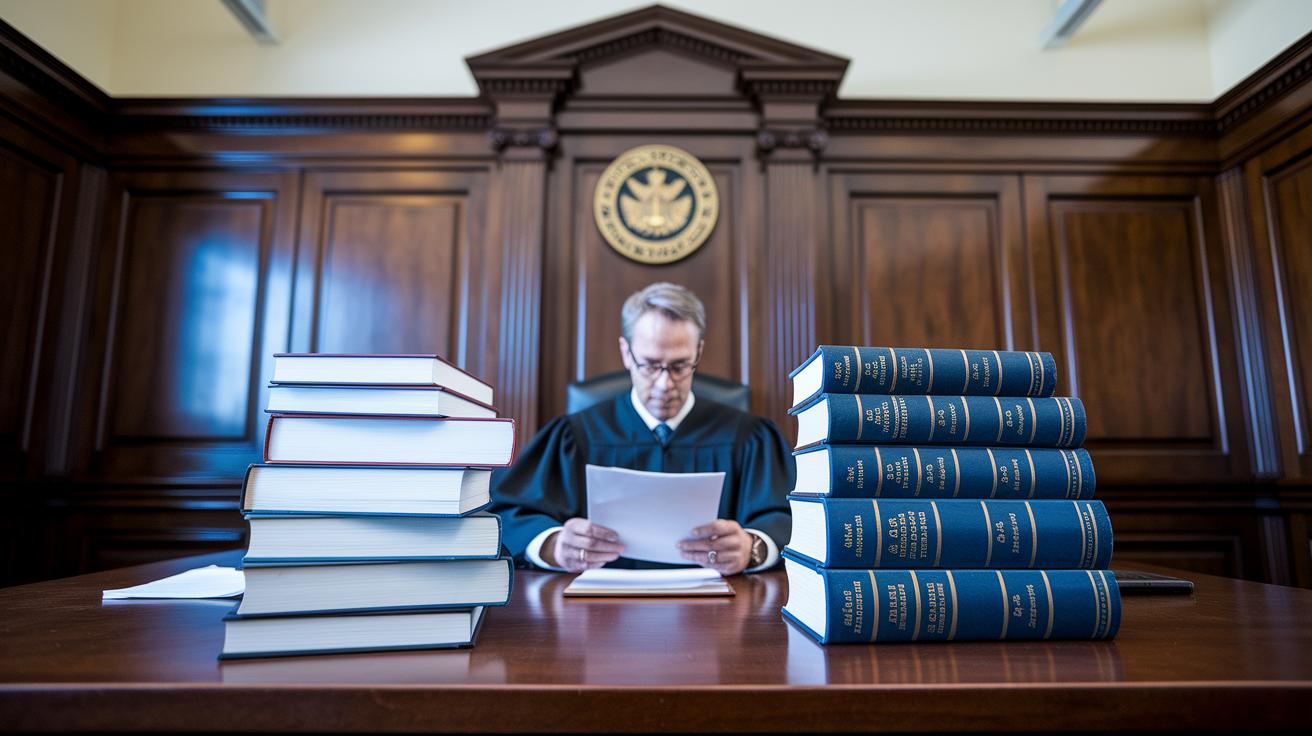
Federal common law grew from important Supreme Court decisions that changed how judges handle cases. Think of cases like Swift v. Tyson, Erie Railroad Co. v. Tompkins, and Klaxon Co. v. Stentor Electric Mfg. Co. as examples of when courts first made their own rules for business disagreements, and later started using state laws when there was a mix of parties from different states. For instance, it's like perfecting a family recipe, where every decision adds its own twist to make things consistent.
| Case | Year | Holding |
|---|---|---|
| Swift v. Tyson | 1842 | Allowed federal common law in commercial disputes |
| Erie Railroad Co. v. Tompkins | 1938 | Mandated state law in diversity jurisdictions |
| Klaxon Co. v. Stentor Electric Mfg. Co. | 1941 | Enforced state conflict-of-laws principles |
Moving from Swift to Erie and later to Klaxon shows how the law got closer to state legal customs while still leaving space for rules made by judges.
Federal Common Law in Jurisdiction and Procedure
Federal common law comes into play when there isn’t a clear statute on the books. Judges use it as a trusted guide to fill in the gaps when written laws just don’t cover every detail. It’s like having a backup plan that makes sure decisions stay fair and consistent, especially when federal interests are on the line.
There are several ways for courts to claim the right to hear a case:
- Federal-question jurisdiction: Cases that spring directly from federal law.
- Diversity jurisdiction: Disputes where the parties come from different states.
- Supplemental jurisdiction: Cases that mix federal issues with state law matters.
- Jurisdiction stripping: Actions that restrict a court from taking on certain cases because of limits set by the Constitution.
Federal courts also have extra rules about which cases they can actually address. They check if the person bringing the case has a real, personal stake in the matter, this is known as standing, which is a way to make sure there's a genuine connection and hurt involved. They also make sure an issue isn’t brought too early (ripeness) and that it still matters (mootness). By using these tests, judges keep their decisions focused on disputes that have a direct and current impact on people’s lives, balancing the scales as set out by our legal system.
Comparing Federal and State Common Law Practices

When we look at real-life cases, federal and state common law don’t always play by the same rules. For instance, imagine a personal injury case where Joe from New York injures David from Massachusetts. In such instances, the rules on which law applies can shift between federal rules and state traditions, showing how legal standards may vary by location.
Picture Samantha, who suffers a railroad injury in Colorado. Under federal rules, her deadline to respond might be as short as 30 days, yet Colorado state law could give her up to 90 days. And then there’s a cross-border case, like Carl’s injury on a foreign oil rig, where a specific rule (Klaxon’s forum-state rule) directs the court to use the local law. These examples underscore how federal and state systems work with different timelines and legal ideas.
Consider also Danny’s fish farm pollution case. Here, federal law focuses on broad environmental protections, while state law sticks to long-held ideas about liability. This mix highlights how federal courts often balance national legal concepts with the deep-rooted traditions of state law.
Contemporary Debates and Future Perspectives on Federal Common Law
Judges and legal thinkers are now questioning the limits of federal common law, which hasn’t changed much since the Erie decision. Modern experts say that ideas like the political question doctrine, which deals with questions meant for elected branches, and issues about separating powers in stripping jurisdiction show that the system is under pressure. One judge even said unresolved privacy issues are like looking at a clock with missing hands. Imagine trying to tell time when the clock just doesn’t work.
Experts are also critiquing old advisory opinions and what they call a split standing doctrine. They believe federal courts should clearly mark the boundaries of their power, especially when dealing with disputes. Because no fresh rules have come forward since Erie, cases about things like default contracts and privacy challenges are pushing the need for new ideas. Think of it like refreshing an old textbook whose outdated chapters don’t match today’s world.
Some academics even propose a total rethink of federal common law to fill these gaps. Judges, scholars, and lawyers are now in a lively debate about whether to broaden the law’s reach in areas like privacy and unexpected contract issues. This conversation captures a wish to honor long-standing legal traditions while also meeting the needs of modern society.
Final Words
In the action, we walked through the development of federal common law, from landmark cases that reshaped its boundaries to its current role in setting legal procedures. The blog highlighted how judge-made law interacts with state rules and detailed the limits of federal judges when shaping legal norms. We also looked at how historical milestones and modern debates continue to inform our understanding of these legal principles. Embrace the evolving legal landscape with optimism, knowing that clear insights pave the way for smart, effective legal decision-making.
FAQ
What is federal common-law marriage?
The federal common-law marriage question refers to marriage rules that are set by states rather than a unique federal doctrine, meaning the government does not create common-law marriage at the federal level.
What are examples of federal common law and common law examples?
The examples of federal common law appear in fields like foreign relations, admiralty, and claims against government officials, where courts make law, rather than in commercial disputes that state law typically governs.
What does Federal common law Erie refer to?
The Federal common law Erie question refers to the Erie Railroad decision, which stopped federal courts from creating broad common law in diversity cases, requiring states’ laws to be applied instead.
What is a common law PDF?
The common law PDF term refers to downloadable materials that explain judge-made law concepts, offering summaries and historical context for how common law has developed over time.
How does common law differ from civil law?
The common law versus civil law question explains that common law is built on judicial decisions, while civil law is guided by written codes and statutes established by legislatures.
What distinguishes common law from case law?
The common law versus case law question points out that while both rely on judicial decisions, case law specifically refers to the rulings in individual cases that help form the body of common law.
What is a common law court birth certificate?
The common law court birth certificate question highlights that such a document is not issued by recognized legal authorities, as birth certificates are officially generated following state record procedures.
Is there any federal common law, and what are the most common federal laws? Does the US follow and recognize common law?
The federal common law question explains that federal common law exists only in areas like admiralty and government claims. Most federal laws come from Congress, yet the legal system also uses judge-made decisions, meaning the government both applies and recognizes common law principles.