

Is Georgia's court system finally moving in the right direction? Recent headlines give us plenty to talk about. There have been judge misconduct hearings in big cities and new court decisions that affect election rules. These changes are stirring up conversations from local government leaders to regular folks. They suggest a future where our legal system is more open and fair. In this article, we'll look at the trends shaking up Georgia's legal scene and explore what they mean for all of us.
Georgia Law News Roundup: Key Developments in the Peach State
Georgia’s legal scene is buzzing with big news. People across the state are talking about these changes. You know, there are important issues that touch on everything from judge misconduct hearings in big cities to major court decisions that help guide election law. These events show just how much the judicial world in Georgia is evolving.
Take a look at some of the headlines that are making waves. There’s a growing focus on how judges behave, along with key rulings that give clear directions to election officials and others involved in the process. The legal community is full of chatter about these shifts, and it really feels like the rules of the game are changing. If you want even more details, check out the breaking legal news updates available elsewhere.
- Misconduct hearings for judges in Atlanta and Savannah are set for July 14 at 9 a.m. at the Nathan Deal Judicial Center Statewide Business Courtroom.
- An Appeals Court decision backs Judge Robert McBurney’s order, which stops any election official from refusing to certify election results.
- Governor Brian Kemp has chosen the first chief judge for Georgia’s new Tax Court, marking an important change in the state’s judicial setup.
- A Spanish-language journalist is still in ICE custody even after being granted bond, as issues with the detention process continue.
- Other statewide legal updates also reveal that Georgia’s legal environment is changing fast.
These updates matter a lot to everyday people and legal experts alike. They affect not only what happens in city courtrooms but also signal wider changes in how rules and policies are enforced. So whether you’re part of local government or just an active citizen, it pays to keep an eye on these developments as they could be the start of even bigger reforms in the Peach State.
Georgia Governor & Attorney General Legal Announcements
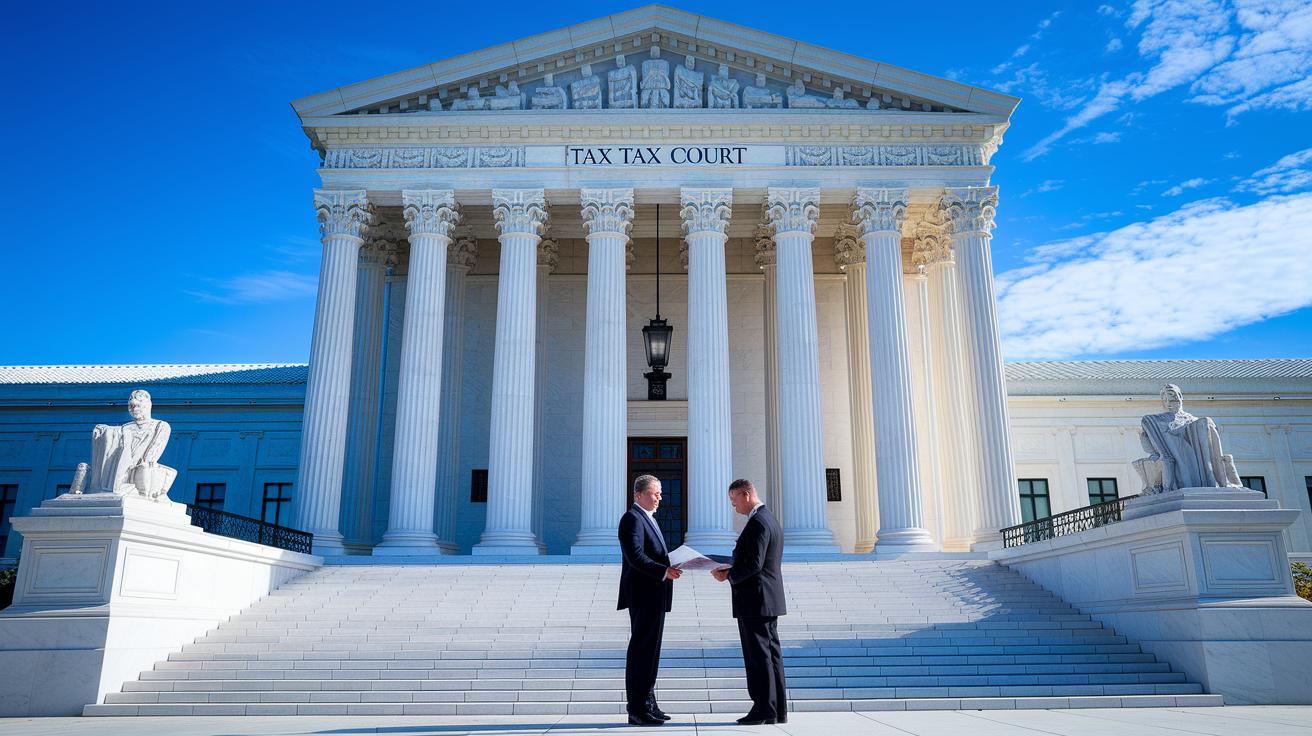
Governor Brian Kemp and the state attorney general are launching fresh legal steps that change how laws work in Georgia. Kemp just picked the first chief judge for the new Tax Court to boost openness and honesty in the legal process. This Tax Court, which will officially join the judicial branch on July 1, 2026, will handle more tasks, including claims about the state constitution and legal appeals. These changes are meant to build a fairer system that helps support good public policy and proper legal procedures.
-
Kemp chose a judge who really knows tax law and has a strong record of fairness. He worked hard to find someone with both expertise and integrity.
-
The Tax Court will officially change on July 1, 2026. It will move from being a simple tribunal to part of the state’s regular court system, creating a modern setup for handling appeals.
-
This update should make it easier for taxpayers and legal workers to solve disputes. It offers clearer steps when dealing with issues that touch on constitutional rights.
These moves show a promising new direction in how the state is run, aiming for a legal system that is organized and truly listens to the citizens' needs.
Georgia Court Rulings & Judicial Decisions Analysis
Recent decisions in Georgia are shaping a fairer and more reliable election process. The courts are reminding everyone, especially elected officials, that they must stick to well-known rules and the state’s constitution. In one key case, the Georgia Court of Appeals backed Fulton County’s choice to require election officials to certify election results. This decision shows that public officials must be held responsible and that courts play a big role in protecting our democratic system. For more info on important higher court rulings, check out the court decision headlines at recentlegalnews.com?p=2107.
Election Certification Ruling
The McBurney case makes it clear that every official must certify election results without exception. The court’s decision is based on the idea that refusing to certify not only messes up the legal process but also shakes public trust. In simple terms, it tells us that officials have to work within established law.
Broader Implications for Election Law
This ruling sends a clear message to state officials in Georgia and perhaps even nearby areas. It sets an example that following legal rules with elections isn’t a choice, it’s a must. This decision might affect future cases and encourage courts to step in when officials stray from constitutional rules. Lawyers and government workers now have a solid reference on how election laws should be respected and enforced.
| Ruling | Court | Date | Impact |
|---|---|---|---|
| No Refusal to Certify | Georgia Court of Appeals | October | Enforced Election Certification |
| Pending High-Profile Decision | To Be Announced | Upcoming | Potential Broad Reforms |
Keeping up with these changes is important if you want to understand how legal rulings are changing the way elections work. With more important court decisions on the horizon, everyone involved should pay attention to these shifts as they continue to shape the legal scene in Georgia.
Criminal Justice Coverage in Georgia Law News

Georgia’s criminal justice news covers lively court cases and police updates that help communities stay informed about safety and fairness. News sources keep an eye on various cases and legal changes that impact both the accused and the wider public. This reporting gives us a closer look at court motions and the hurdles faced by people in detention, showing how the system works to balance individual rights with community safety.
- Abrego Garcia federal case transfer request
- ICE detainee bond and custody updates
- Notable law enforcement procedural changes
- Upcoming trial dates or hearings
These updates reveal a courtroom process that is both active and responsive. For example, Abrego Garcia’s defense team has asked for his trial to be moved to Maryland, a shift that might change the case’s course. Meanwhile, a Spanish-language journalist is still dealing with problems posting bond, causing him to be moved from one jail to another as officials work through the custody details. Such events are important because they show real-time investigations and procedural changes that affect everyone involved. As these stories unfold, the news keeps the focus on how criminal legal updates are sparking public discussion and shaping law enforcement practices, ensuring that both individual rights and public safety are front and center in these legal reforms.
Georgia Civil Litigation Stories & Verdicts
Georgia's civil courts have been in the spotlight lately with verdicts that truly affect everyday people. These decisions show that settling a dispute can change the way future lawsuits are handled and how lawyers plan their cases.
- A jury awarded $2.5 million to an accident victim, a huge payout that shows the court recognized real harm.
- One defense strategy that delayed payment has come under fire from the plaintiff’s attorney, who says it unfairly slows down justice.
- These cases might set new legal rules, pushing law firms to rethink their approach in similar disputes.
These stories clearly shape Georgia's civil justice by stressing the need for prompt and fair resolutions. Watching settlements like these gives legal experts useful insights and reassures the public that accountability is key. Every decision in court can set a new standard, encouraging changes and impacting how both claimants and defendants handle their cases in the future.
Corporate & M&A Law News in Georgia

Georgia's corporate legal scene is picking up steam. Lately, insiders have noticed a wave of new deals and leadership changes that are shaking things up in the Peach State. Big names and influential players are drawing attention, opening fresh opportunities for both firms and their clients.
Recent highlights include impressive mergers and acquisitions along with bold shifts in law firm leadership. When these high-profile deals keep coming, it shows that Georgia is quickly becoming a hub for lively corporate legal work. And as more of these deals hit the scene, firms are rethinking their strategies to stay ahead in a very competitive market.
A few key developments:
- Top M&A firm recognitions: Leading firms like Eversheds and Alston & Bird earned spots as top M&A firms for the first half of 2025. (For more details, check out corporate legal news insights.)
- Cox-Charter merger details: The merger between Cox Communications and Charter was honored as the top deal by the London Stock Exchange Group, marking a major achievement in corporate deal-making. (See business legal news for further insights.)
- McGuireWoods partner rotation specifics: McGuireWoods has named four new managing partners to guide operations in major cities such as Atlanta, Baltimore, Houston, and San Francisco.
These shifts are a strong sign of where the market is headed. Companies and legal professionals should watch these trends closely and adjust their plans to keep up in an ever-changing legal landscape.
Georgia Tax Court & Legal Reform Reports
Starting July 1, 2026, Georgia's Tax Court is shifting gears by upgrading its old tribunal system into a true judicial branch. This means that tax disputes, constitutional claims, and appeals will be handled by a court with greater power, imagine moving from a small local office to a big, well-resourced courthouse.
| Aspect | Details |
|---|---|
| Effective Date | July 1, 2026 |
| Structural Change | Tribunal to Judicial Branch |
| Jurisdiction | Constitutional claims and appeals |
Legal experts believe this reform will streamline tax disputes with clearer rules and procedures. Still, some lawyers worry that the broader scope might increase the number of cases and slow down processing, kind of like getting used to a new operating system.
Final Words
In the action, this roundup highlighted headline stories impacting Georgia’s legal system, from judicial rulings and misconduct hearings to Tax Court and corporate updates that shape state governance. The post offered clear snapshots of key events, showing how shifts in the executive branch and important legal decisions set the stage for new practice trends. These recaps serve as a great resource for tracking the latest law of georgia news. Stay engaged and optimistic as these updates continue to inspire informed legal decisions.
FAQ
Q: What are the new laws in Georgia effective July 1, 2025, including HB 121?
A: The new laws in Georgia, effective July 1, 2025, cover changes in various sectors. They include HB 121, which is part of a broader update to state regulations designed to modernize legal practices.
Q: What are Georgia law schools?
A: Georgia law schools are educational institutions that prepare students for careers in law by teaching legal principles, courtroom skills, and more in a practical, accessible setting.
Q: What is the new renters law in Georgia?
A: The new renters law in Georgia provides tenants with clearer protections against unfair fee increases, improper evictions, and ensures better handling for security deposits and repairs.
Q: What are the unusual laws in Georgia?
A: Georgia has some unusual laws that include quirky local regulations and niche rules established for specific community issues, reflecting the state’s historic and cultural influences.
Q: What is the act of God law in Georgia?
A: The act of God law in Georgia refers to legal measures that excuse parties from liability for events caused by natural disasters, as these incidents are unpredictable and beyond control.
Q: What can’t a landlord do in Georgia?
A: In Georgia, landlords cannot enter rental properties without proper notice or use deceptive practices regarding security deposits and maintenance, ensuring tenant rights are respected.